

Vibepicture: Turn Emotions and Vibes into Visual Content with AI
AI Software | Editor: Sandy In a world where visual storytelling is increasingly driven by “vibes,” Vibepicture helps users transform abstract emotions into com
AI Software | Editor: Sandy In a world where visual storytelling is increasingly driven by “vibes,” Vibepicture helps users transform abstract emotions into com
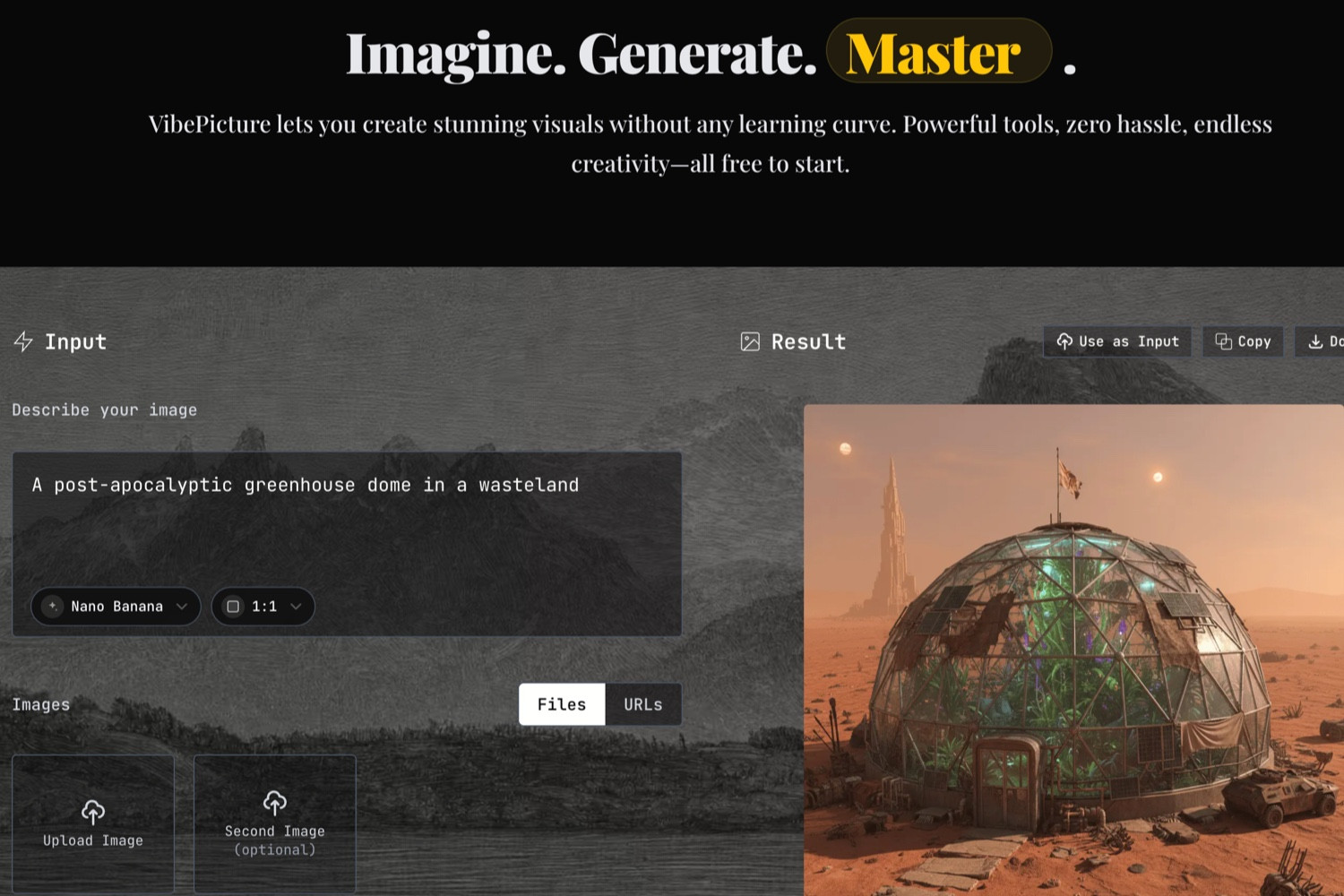
AI Software | Editor: Sandy
In a world where visual storytelling is increasingly driven by “vibes,” Vibepicture helps users transform abstract emotions into compelling images—without needing design skills.
👉 Website: https://vibepicture.com/
Vibepicture is an AI-powered image generation SaaS tool focused on mood and atmosphere-based creation. Unlike traditional text-to-image tools that rely heavily on detailed prompts, Vibepicture emphasizes emotional tone and visual style as primary inputs.
Its core purpose is to help users quickly generate cohesive visual assets for content, branding, presentations, and creative exploration—without starting from scratch.
One of Vibepicture’s standout features is mood-driven generation. Instead of crafting complex prompts, users can input abstract ideas like “cozy,” “futuristic,” or “lonely city at night,” and the AI translates these into visual outputs. This makes it especially accessible for beginners.
Another important capability is style consistency. When generating multiple images—such as for social media or brand assets—the tool maintains a unified visual language, reducing the inconsistency often seen in AI-generated outputs.
It also supports fast iteration, allowing users to generate multiple variations quickly and refine their direction. This is particularly useful for brainstorming or building mood boards.
Finally, Vibepicture offers a simplified user experience, removing the need for technical setup or prompt engineering, making it easy for non-designers to get started.
Vibepicture is ideal for users who need visual content but aren’t professional designers.
Content creators can use it to generate visuals for blog posts, social media, or video thumbnails—saving time on sourcing or designing images.
Marketing and branding teams can leverage it to create campaign visuals, social posts, and brand assets with a consistent aesthetic.
Product managers and startup teams can use it for presentations and concept visualization, making ideas more tangible during pitches or internal discussions.
Even designers can use it as an inspiration tool to explore visual directions before committing to a final design.
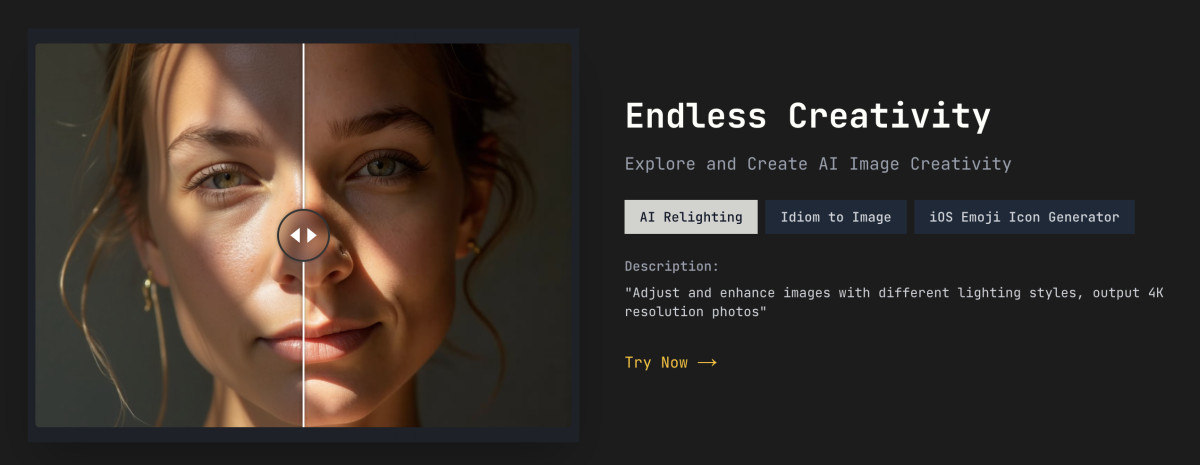
Compared to traditional AI image tools, Vibepicture stands out by prioritizing vibe over precision.
This lowers the barrier to entry—users don’t need to master prompt writing to get good results. It also makes the tool particularly well-suited for branding and content-driven workflows rather than highly detailed, technical image generation.
Another key advantage is its focus on consistency across outputs, which is critical for professional use cases like marketing and brand identity.
However, Vibepicture does come with trade-offs.
Because it prioritizes mood over detail, it may lack fine-grained control for users who need precise compositions or specific elements (e.g., UI mockups or product visuals).
There is also some output unpredictability due to the abstract nature of inputs, meaning users may need to iterate عدة times to get the desired result.
As with all AI-generated content, users should also be mindful of usage rights and licensing, especially for commercial use.
Vibepicture follows a typical SaaS pricing model. It generally offers a free tier or trial with limited generation credits, alongside paid subscription plans for higher usage and advanced features.
For the most accurate and up-to-date pricing, users should check the official website.
1. Who is Vibepicture for?
It’s best suited for creators, marketers, and teams who need quick visual content without deep design expertise.
2. Do I need technical skills to use it?
No. The platform is designed to be beginner-friendly, requiring only simple mood or style inputs.
3. Is there a free version?
Yes, most users can start with a free plan or trial, though advanced usage typically requires a paid subscription.
4. How is it different from other AI image generators?
Vibepicture focuses on mood and style rather than detailed prompt control, and it emphasizes visual consistency across multiple outputs.
5. Can I use the images commercially?
In many cases yes, but you should review the platform’s licensing terms to ensure compliance for commercial use.
Overall, Vibepicture fills a unique niche: helping users quickly generate vibe-driven visuals without the complexity of traditional AI tools. If your workflow revolves around content and aesthetics rather than technical precision, it’s a tool worth exploring.
Leave your name and email to receive future updates from our blog and product insights.
AI News | Editor: Sandy On April 16th 2026 Anthropic officially unveiled Claude Opus 4.7 and made it...
Read Article
【 AI News | Editor: Sandy】 Google’s newly released Gemini for Mac looks, at first glance, like a s...
Read Article
Background This case features a dental clinic offering a wide range of services. The clinic already...
Read Article
AI News | Editor: Sandy Google has moved artificial intelligence one step closer to the everyday act...
Read Article
AI News | Editor: Sandy Anthropic’s latest launch, Claude Code Routines, pushes AI coding tools from...
Read Article
AEO | Editor: Adda Lin AI Overviews Are Not Just a New Feature. They Change the Narrative Structure...
Read Article
AI Software | Editor: Sandy Flux AI is an all-in-one platform that combines AI image generation, ima...
Read Article
AI News | Editor: Sandy On April 10, Anthropic launched the beta version of “Claude for Word”, embed...
Read Article
In today’s increasingly competitive pet food market, many e-commerce brands face the same challenge:...
Read Article
AI News | Editor: Sandy The latest development surrounding Anthropic is not merely a product update....
Read Article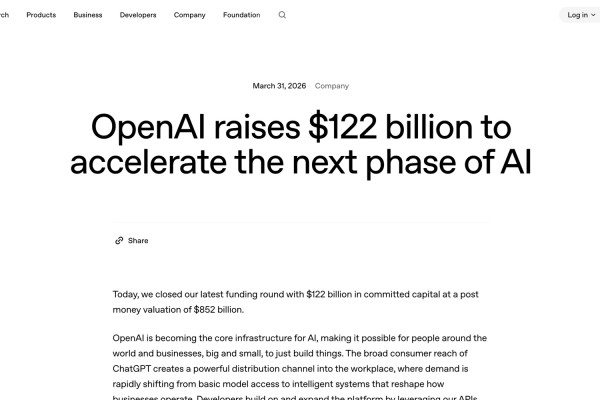
AI News | Editor: Sandy On March 31st 2026 OpenAI published an announcement of unusual weight: the c...
Read Article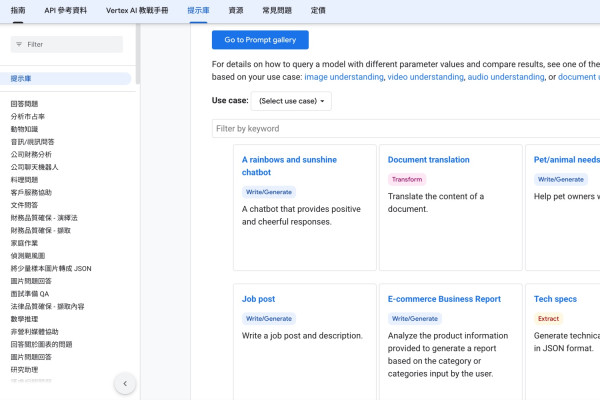
ChatGPT Applications | Edited by Jason Chen When organizations begin adopting generative AI, the fir...
Read Article
AI News | Editor: Sandy On April 8, 2026, Anthropic unveiled “Claude Managed Agents,” a release that...
Read Article
Opinion / In-depth Analysis | Editor: Sandy As generative artificial intelligence evolves from answe...
Read Article
AI News | Editor: Sandy In its latest announcement in April 2026 ( https://ai.meta.com/blog/introduc...
Read Article
Pimker - The AI marketing platform built for businesses
© Pimker 2026 The AI marketing platform built for businesses All rights reserved.