

Why Is AI Ignoring Your Content? How to Improve Your Website’s “AI Readability” Now
AI readability is not just a technical term. It is a key factor in whether Google, ChatGPT, and Gemini can understand your website and help drive mentions, trus
AI readability is not just a technical term. It is a key factor in whether Google, ChatGPT, and Gemini can understand your website and help drive mentions, trus
AI readability is not just a technical term. It is a key factor in whether Google, ChatGPT, and Gemini can understand your website and help drive mentions, trust, inquiries, and customers.
Many business websites are not lacking content. The real problem is that even though they have services, case studies, and pages, they still are not being clearly understood by Google, ChatGPT, or Gemini. Why does that happen?
The result is simple: people do not see you in search, AI tools do not mention you in answers, and potential customers do not easily include you when comparing options.
This often leads business owners to assume the issue is just low traffic or not publishing enough articles.
But the real problem is usually not quantity. It is whether your website information can be clearly read, organized, matched to user intent, and trusted.
That is the core problem AI readability is meant to solve.
If you run a brand website, a service-based business site, or a small-to-medium business website, you have probably seen this before:
Your homepage looks decent, your service pages are live, and you may even have published a handful of articles over time. But inquiries have not grown much, and AI tools rarely mention your brand when answering relevant questions.
That does not necessarily mean your company is not professional. It also does not automatically mean your competitors are much stronger than you.
A more common reason is this: your website information exists, but it is not easy enough for search engines and AI systems to understand.
AI readability does not mean writing in a robotic style. It does not mean stuffing pages with jargon or keywords either.
It is closer to this: when an AI system reads your website, can it quickly figure out who you are, what you offer, who it is for, how you differ from other options, and whether you should be mentioned in a certain question context?
There are a few common misunderstandings here.
The first is thinking that “having a website live” automatically means “the website can be understood.” It does not. Information being present is not the same as information being easy to interpret.
The second is thinking that publishing articles consistently will solve the problem on its own. Articles can help, but if your homepage, service pages, FAQs, and brand positioning are unclear, adding more content may simply amplify weak or confusing signals.
The third is treating this as a pure SEO issue. SEO still matters, but users are no longer searching only on Google. They are also asking questions directly inside ChatGPT, Gemini, and similar tools. That means your website does not just need to be found. It needs to be understood, rephrased, compared, and cited.
So AI readability is not about one technical fix. It is about whether your website, as a business information system, is actually clear enough.
The biggest issue on many business websites is not a lack of writing. It is that the writing makes sense only to the company itself.
For example, a homepage may be filled with broad phrases like “full-service solutions,” “high-efficiency growth engine,” or “helping businesses transform digitally.” These may sound impressive, but for AI systems, they are difficult to connect to specific services.
The same is true for human visitors. Potential customers may land on the site and still not know what you actually sell, who you serve, or what problem you solve.
When brand positioning is unclear, AI has a much harder time placing you into the right question-and-answer context.
That is one reason many websites look polished, yet rarely get mentioned in AI-generated answers.
Many companies do have service pages, but the content is often too brief or too focused on brand storytelling, without enough information to help users or AI understand and compare.
When an AI system reads a service page, it tries to understand a few key things: what the service is, who it is for, when someone needs it, how it works, and how it differs from other approaches.
If the page contains only a title, a few selling points, and a short paragraph, AI has a hard time building a complete picture.
The commercial impact is direct: even if someone sees your brand, they may still be unable to quickly decide whether you are worth contacting.
What you lose is not just traffic. You lose the chance to enter the shortlist during comparison.
Many businesses actually know their customers’ questions very well. The problem is that those answers are trapped inside sales calls, customer support chats, LINE messages, emails, or internal team knowledge, rather than being turned into visible website content.
That is a missed opportunity, because AI-driven discovery is fundamentally a “question → answer → comparison → decision” process.
If your website lacks FAQs, use-case questions, pricing context, collaboration details, or clear statements about who your services are for, AI has less information it can crawl, interpret, and cite.
In other words, it is not that you do not have answers. It is that your answers are not actually on the website.
AI readability is not only about one paragraph. It is about whether your website creates a consistent signal as a whole.
If your homepage makes you sound like a consulting firm, your service pages read like SaaS software, and your About page sounds like a done-for-you agency, AI will struggle to determine what kind of company you actually are.
This kind of inconsistency often leaves your brand in a vague position in both search and AI-generated responses.
Likewise, if important information is scattered across different pages with no hierarchy or priority, AI may capture fragments but fail to form a complete understanding.
The same happens with human readers. They may feel there is a lot of information, yet still not understand what matters most.
Some websites are technically solid. They are fast, visually clean, and follow basic SEO practices. Yet the content itself is still unclear.
The page titles may be vague. The H1 may not clearly define the topic. The page may be unfocused. Paragraphs may lack subheadings. Service names may sound too internal or industry-specific.
All of this increases the cost of understanding.
AI systems, just like people, prefer content that lets them identify the main point quickly.
When a page is focused, structured, and specific in its answers, it does not just become easier to read. It also becomes easier to pull into comparison and citation contexts.
So AI readability is not some mysterious technique. It is often hidden in the parts of your website that you have become used to, but outside readers still do not fully understand.
When people talk about this topic, they often focus only on exposure or traffic. But the real issue is not traffic by itself. It is whether you can enter the customer’s decision path.
In Google search, website readability affects how search engines understand page topics, service categories, and content quality.
That shapes whether your pages match the right search intent, whether they look worth clicking, and whether users can quickly find what they need once they land.
In AI tools like ChatGPT and Gemini, the impact is even more direct. That is because users are not just browsing blue links anymore. They are asking things like: “What AI optimization tools are suitable for small businesses?” “What kind of company should improve website AI readability?” or “If a website has a lot of content but few inquiries, what should be fixed first?”
When AI tries to answer those questions, it first needs to understand each brand’s positioning, service details, fit, and differentiation. If your website does not explain those clearly, you are less likely to be pulled into the answer. Not because you do not exist, but because you are not easy enough to evaluate.
This affects several commercial layers.
First, it affects your chance of being mentioned. AI tools are more likely to reference brands whose information is complete, clearly positioned, and directly aligned with real user questions.
Second, it affects accuracy of understanding. If your website is vague, even when your brand is surfaced, it may be interpreted incorrectly. That can place you into the wrong comparison set or attract the wrong kind of audience.
Third, it affects trust. When your website clearly explains your services, collaboration model, common questions, pricing position, and brand differences, AI is more likely to reference it, and users are more likely to trust it.
Fourth, it affects inquiries and conversion. What brings in customers is not a single impression. It is the journey from seeing you, understanding you, comparing you, and deciding to contact you. When AI readability is strong, that path becomes shorter. When it is weak, exposure may still happen, but it often ends at “they saw us, but did nothing.”
So AI readability is not just a concern for content teams. It is directly tied to business growth, brand visibility, and the quality of natural inquiries.
If you have read this far, the most important thing is not to rebuild the whole website immediately. It is to set the right priorities first.
Do not rush to publish ten more articles. Start with the homepage.
Your homepage should help a first-time visitor understand, within seconds: what type of company you are, what you mainly offer, who it is for, and how you differ from other options.
If your homepage still feels visually polished but overly abstract, that is usually the first thing to fix.
A service page is not just a place to list a service name. It should answer the questions customers care about before they make a decision.
Start with the service pages that matter most: the ones that drive the most revenue, matter most strategically, or that you most want AI tools to recommend.
The test is simple: does this page help a new visitor quickly understand the service, the use case, the differences, and the next step?
If not, then it is still just an introduction page, not a commercially useful decision page.
If your website currently lacks FAQs, or your FAQs are too surface-level, this is worth addressing early.
Do not try to make it perfect all at once. Start with the questions that most often affect conversion: when do customers usually need you?
What do they compare most often?
What are they worried about?
What makes them hesitate?
How do they actually phrase their questions?
Once those questions appear clearly on the website, AI has a much better chance of understanding what kinds of problems your business is relevant to.
There is one quick exercise you can do: open your homepage, About page, service pages, and FAQ page side by side, and ask whether they all describe the same company.
If your positioning, service description, and target audience shift from page to page, AI is receiving mixed signals.
Consistency does not mean repeating the same sentence everywhere. It means every page reinforces the same core understanding.
One of the biggest mistakes websites make is publishing more and more content while the basics are still unclear.
That tends to amplify confusion, making the site larger but harder to organize and understand.
A better order is usually this: clarify the homepage, key service pages, FAQs, and brand positioning first, then expand with more articles and supporting content.
That way, new content strengthens your signal instead of increasing noise.
Not every company needs to fix this with the same urgency, but some should clearly move faster.
The first group is companies that already have a website but receive few natural inquiries. That often means the problem is not a complete lack of visibility. It is that the website is failing to turn visibility into understanding and trust.
The second group is service-based websites, B2B companies, consultancies, and expertise-driven brands. These businesses usually have longer decision cycles, and customers spend more time comparing options. If the website does not clearly explain differences and fit, it becomes easier to get overlooked.
The third group is small and mid-sized businesses with a lot of content but poor structure. Many companies have built up pages over time, written by different people in different periods, which creates inconsistent tone, positioning, and messaging. That kind of site is especially likely to confuse AI systems.
The fourth group is brands that want to acquire customers through Google, ChatGPT, Gemini, and similar discovery channels. If you already see search and AI answers as acquisition channels, then AI readability is not optional. It is foundational.
On the other hand, if your business currently does not rely on the website for growth at all, and most customers come from steady referrals with no immediate expansion plans, then this may be less urgent.
But the moment you want your website to play a more active commercial role, this problem usually becomes impossible to ignore.
AI readability may sound like a new buzzword on the surface, but in reality it points to something more fundamental: can your website be clearly understood and then be seen, mentioned, and trusted in the right search and question contexts?
It is not a single tactic, and it is not something you can fix just by publishing a few more articles.
Behind it are deeper issues: whether your website is understandable, whether your brand expression is consistent, whether your service pages are clear enough, whether your FAQs reflect real buyer questions, and whether the site as a whole creates a stable and interpretable signal.
For business owners, brand teams, and operations leaders, the real importance of this topic is not the terminology. It is the business outcome.
When your website becomes easier for both AI and people to understand, you do not just gain better visibility. You gain more chances to enter comparison sets, be understood correctly, and receive real inbound inquiries.
If you are already starting to realize that the issue may not be a lack of content, but that your website is still too hard to understand, then the next step is not to rebuild everything at once. It is to first see clearly whether your homepage, service pages, FAQs, and brand messaging currently form a consistent and interpretable signal.
If you want to explore what type of setup fits your website, where to adjust first, and which optimization pace makes sense for your current stage, you can visit the plans page to see our more complete approach, how implementation works, and how to help your website become easier for AI to understand.

Leave your name and email to receive future blog updates and product insights.

Yes, AI answers do affect website traffic, and the impact is becoming more noticeable. In the past,...
Read Article
ChatGPT may not be able to find your company automatically. The more accurate answer is this: if you...
Read Article
Google search results are starting to look more like AI answers because Google is moving from “showi...
Read Article
SEO alone may not be enough because people no longer rely only on traditional Google search results...
Read Article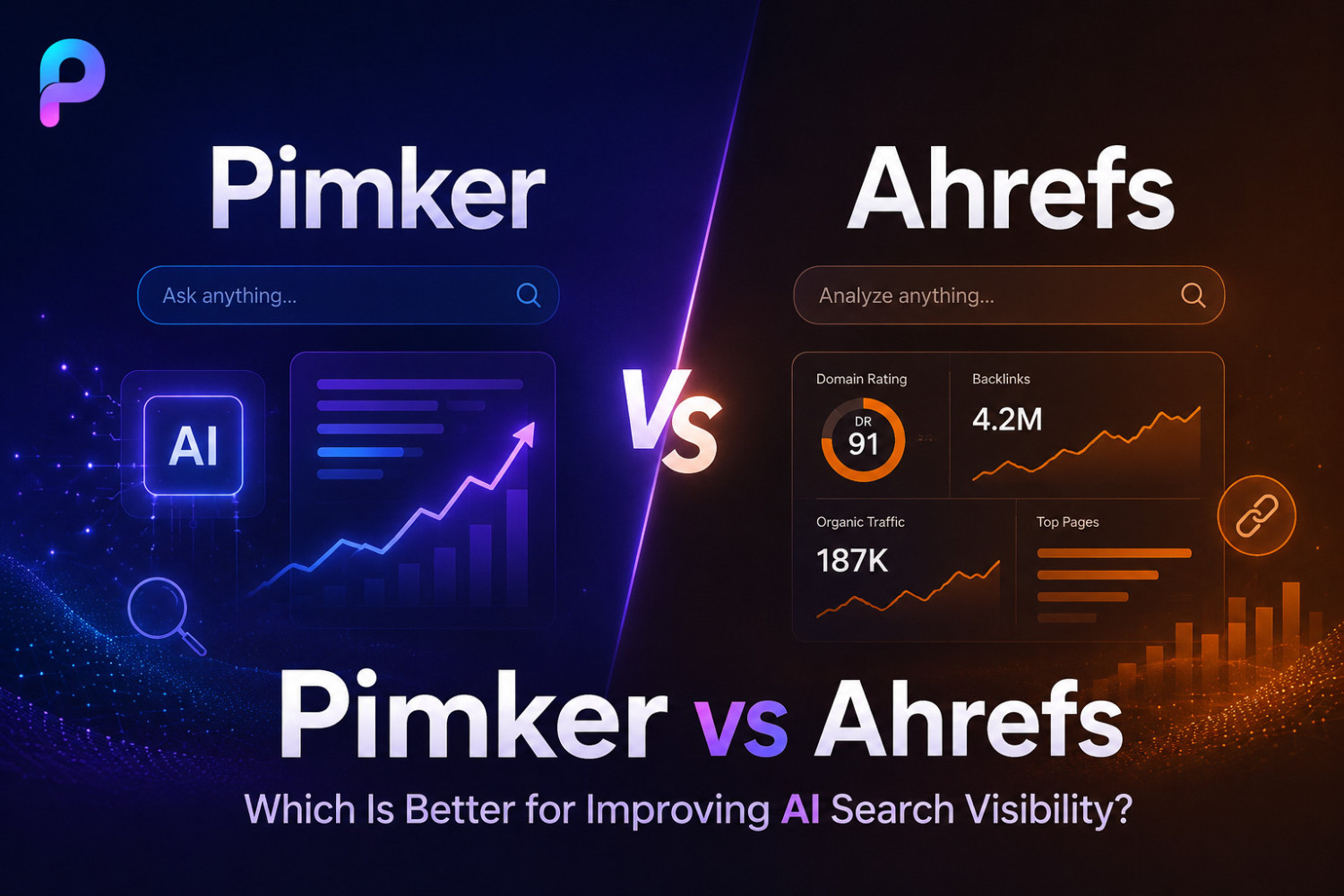
If your goal is traditional SEO research, keyword discovery, backlink analysis, and Google rank trac...
Read Article
AI search can make small companies harder to find, but not because AI intentionally favors big brand...
Read Article
If your website has been live for a long time but still gets little visibility on Google and AI sear...
Read Article
Your company is probably not being recommended by ChatGPT because the AI cannot quickly verify, from...
Read Article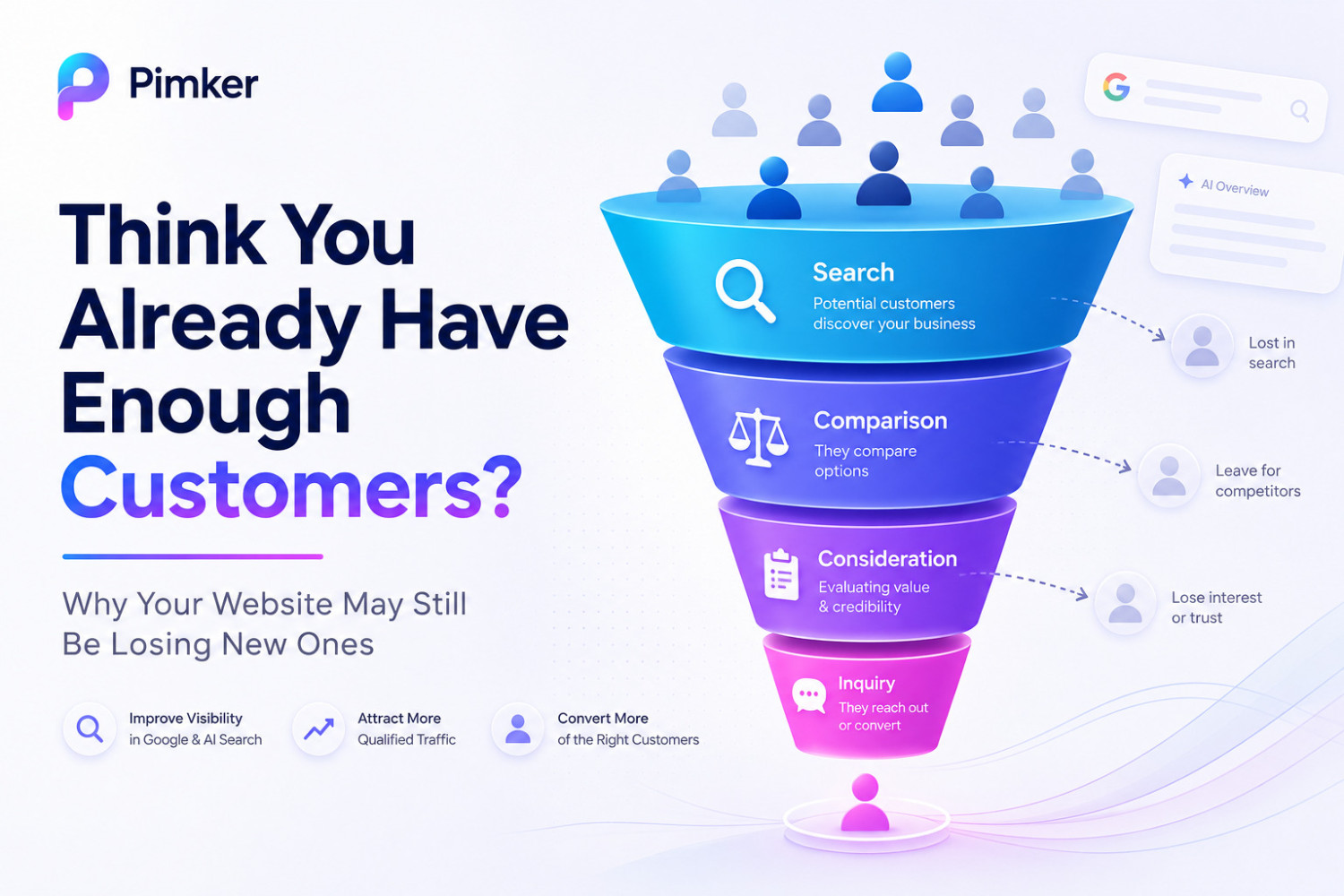
Many business owners think, “We get phone calls. People fill out our contact form. We probably have...
Read Article
Yes, they often can. Even if the mini plan mainly optimizes your homepage, once that homepage become...
Read Article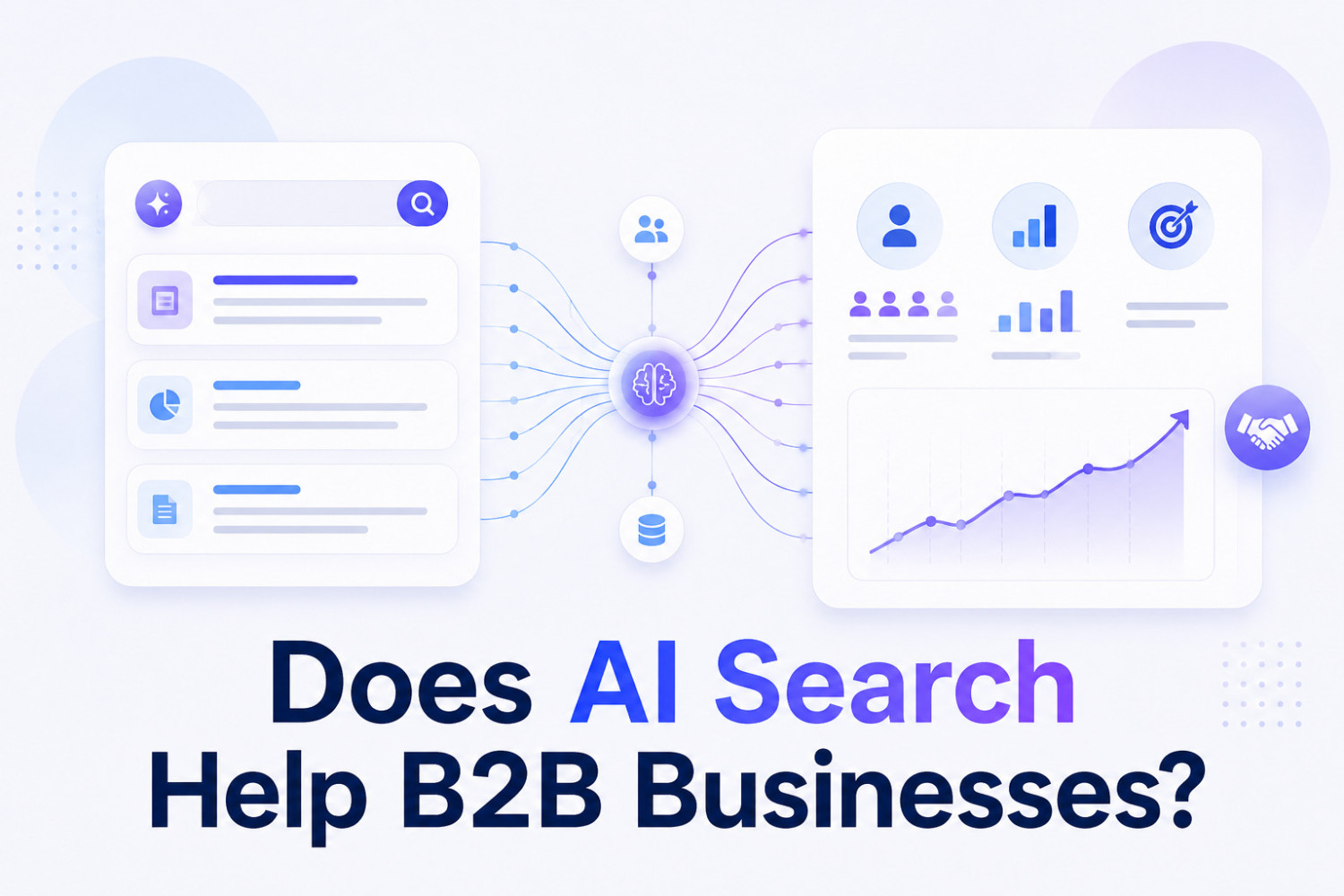
Yes. AI search can be very helpful for B2B businesses, especially when the product or service is exp...
Read Article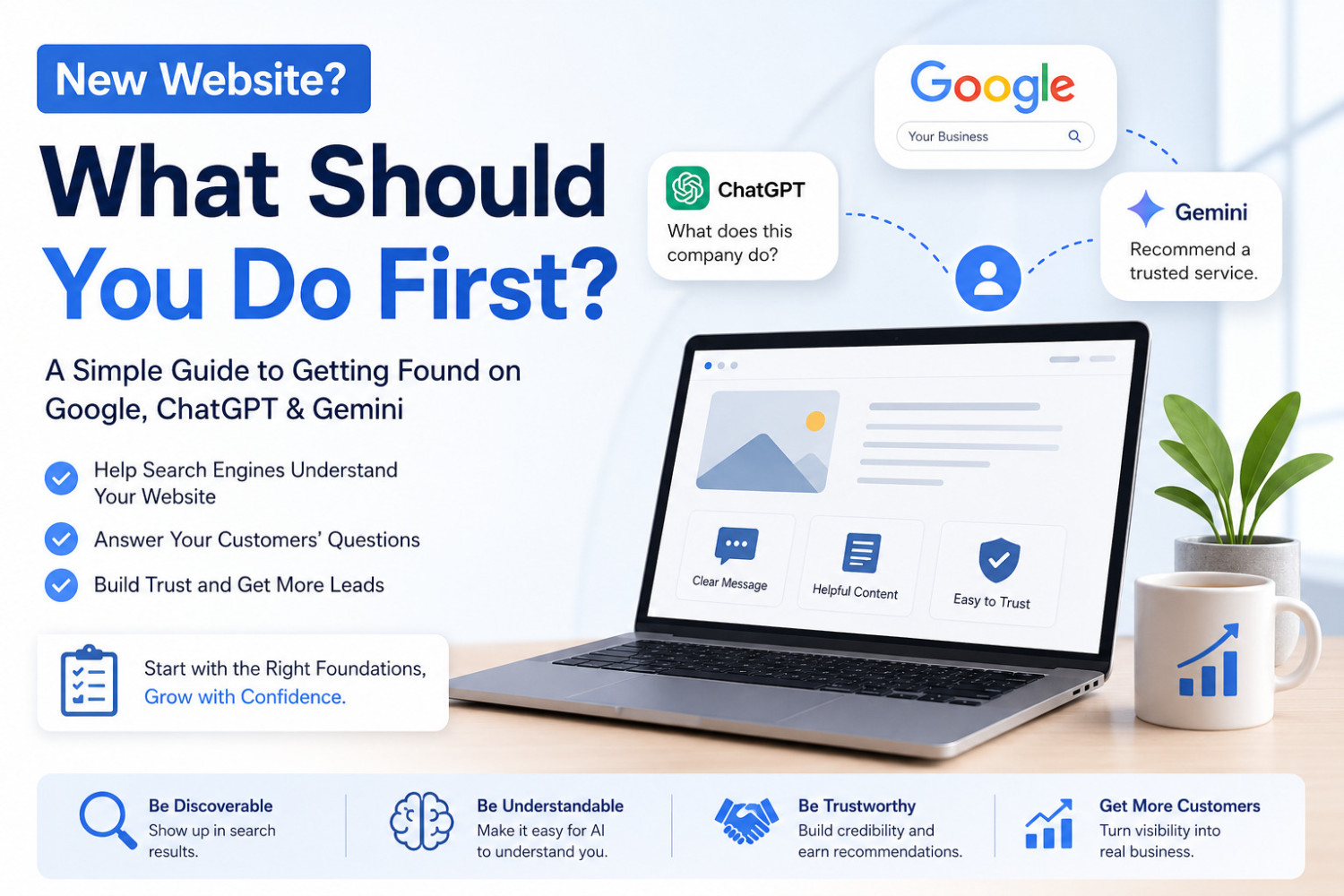
When a new website goes live, many businesses assume, “Now that the site is done, customers should s...
Read Article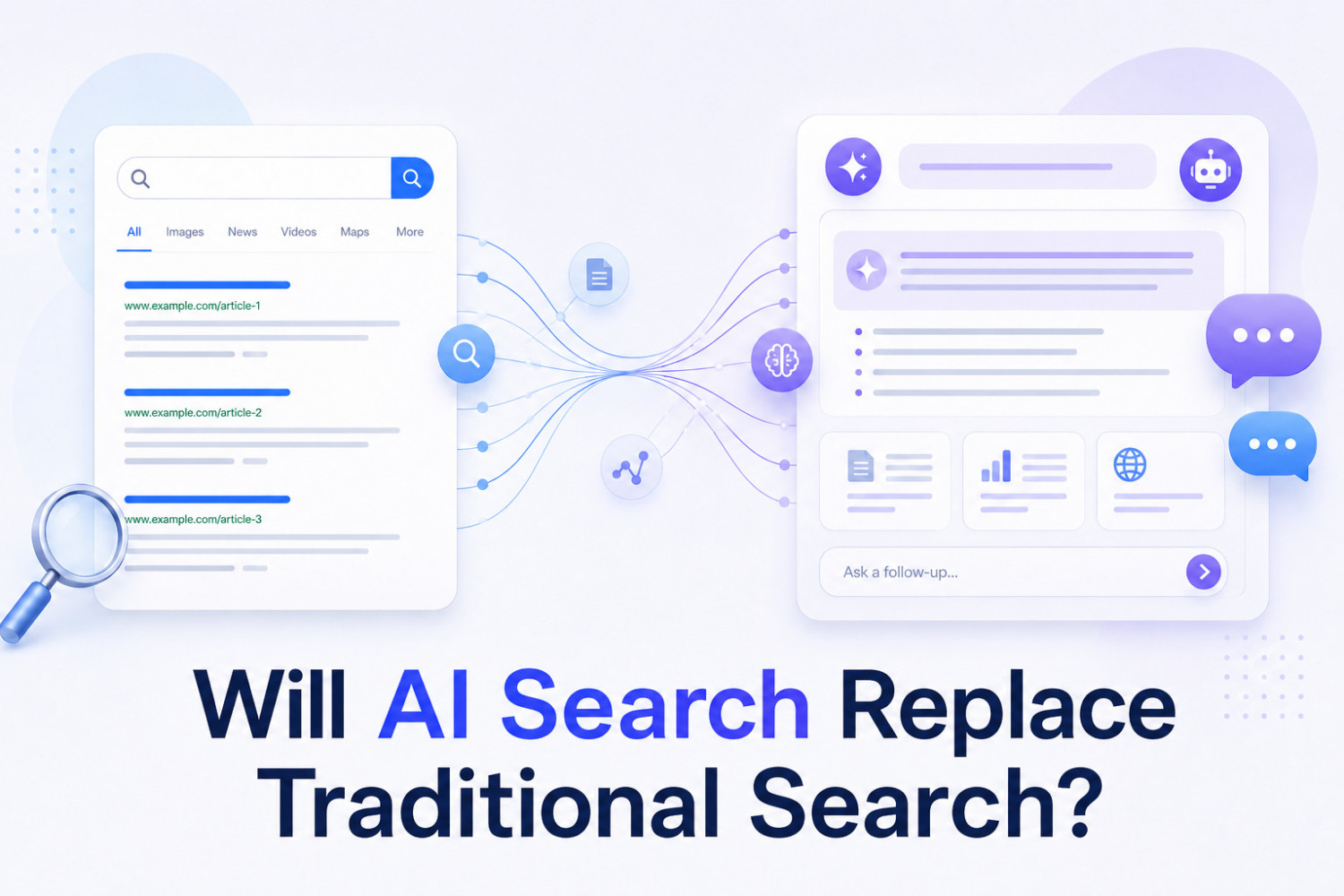
AI search probably will not completely replace traditional search, but it will change how many peopl...
Read Article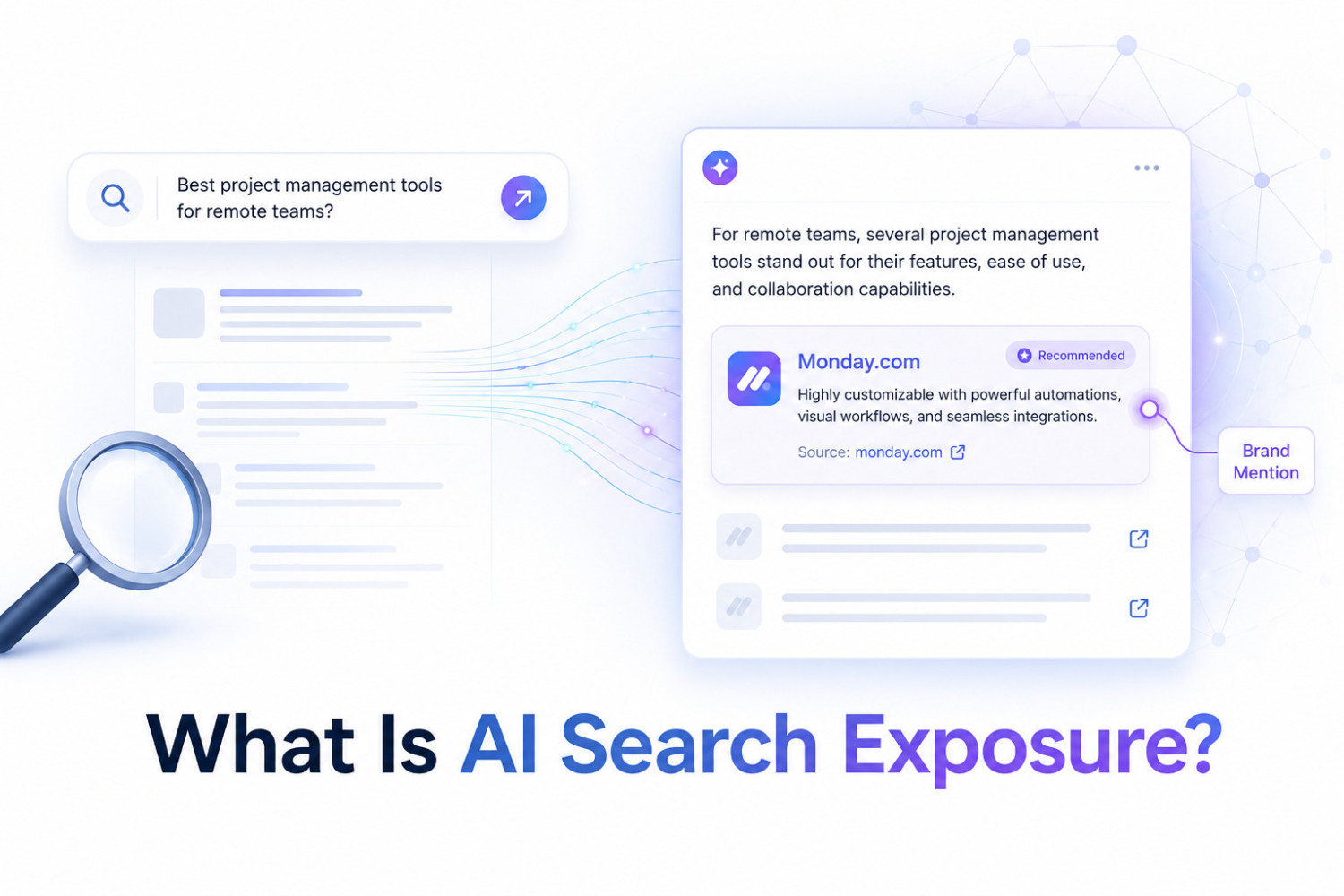
AI search exposure means the chance that your brand, website, product, service, or content appears i...
Read Article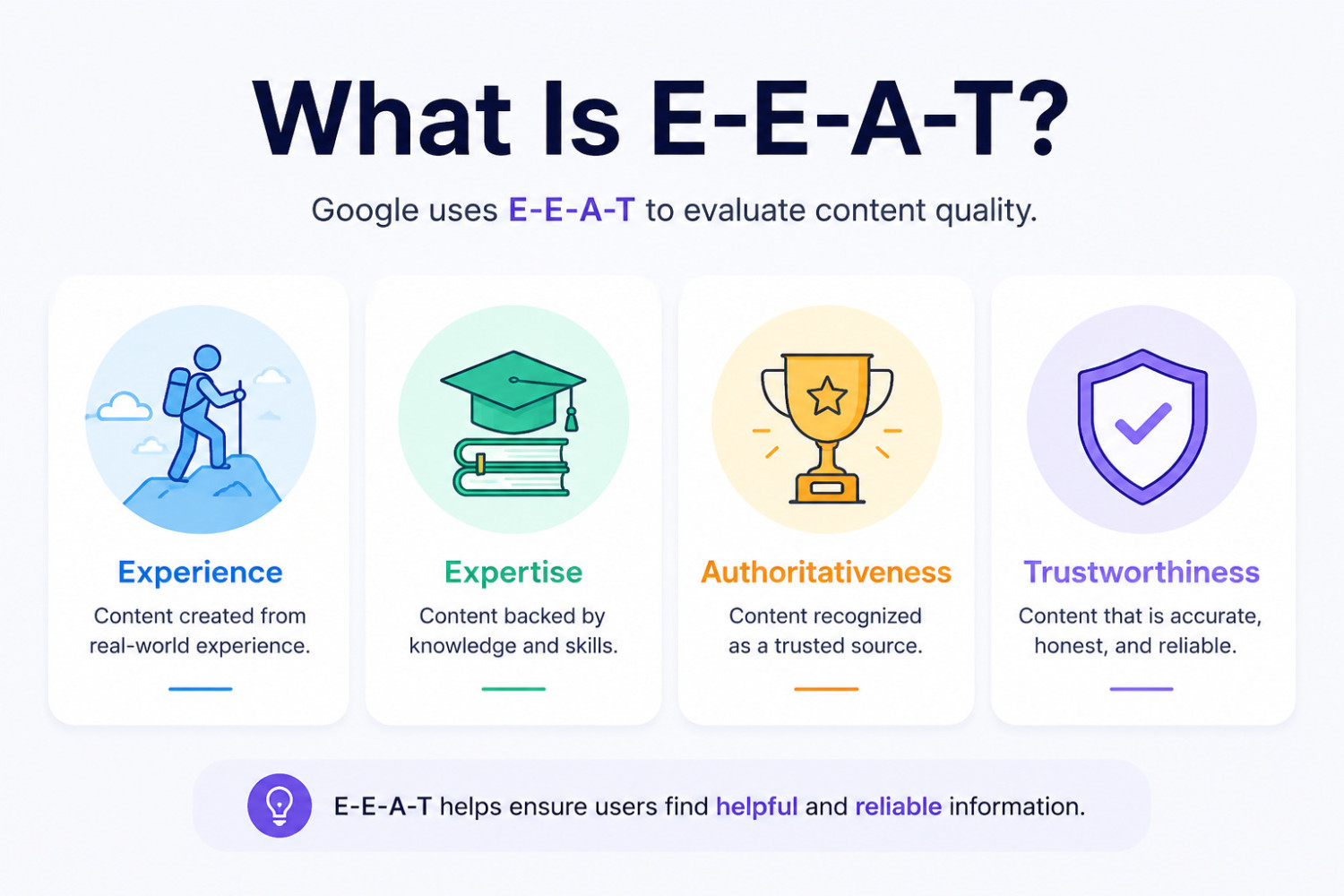
E-E-A-T is a concept Google uses to evaluate content quality. It stands for Experience, Expertise, A...
Read ArticleWe make your brand easier for AI to discover and recommend. From brand positioning and content structure to a strategic update cadence, Pimker turns your website into a system that supports long-term visibility.
Contact Us

© Pimker 2026 AI marketing software built for modern businesses All rights reserved.