

Think You Already Have Enough Customers? Why Your Website May Still Be Losing New Ones
Many business owners think, “We get phone calls. People fill out our contact form. We probably have enough leads.” But the real problem does not always happen a
Many business owners think, “We get phone calls. People fill out our contact form. We probably have enough leads.” But the real problem does not always happen a
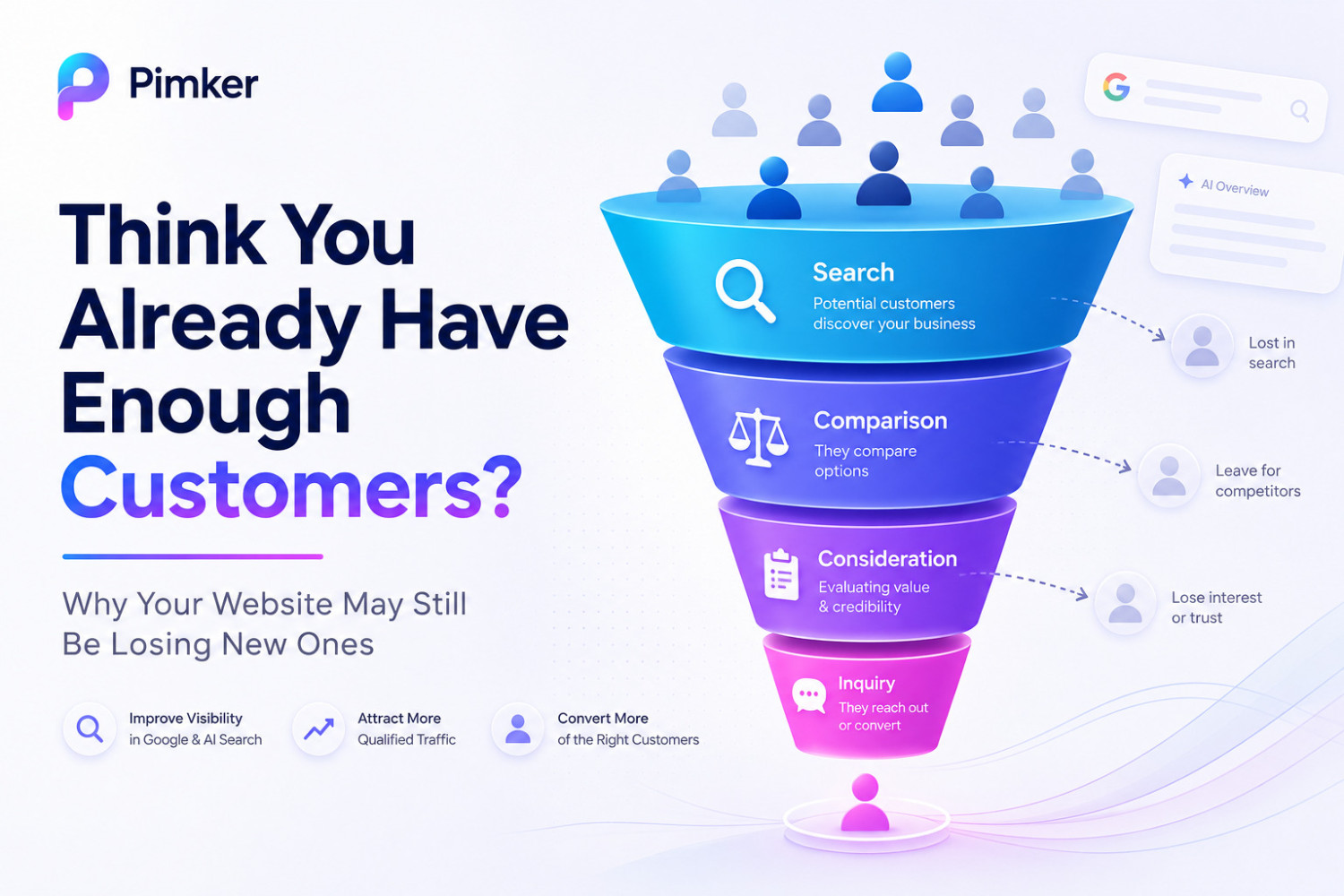
Many business owners think, “We get phone calls. People fill out our contact form. We probably have enough leads.” But the real problem does not always happen after a customer contacts you. It often happens before they ever reach out. Today, people do not only use Google to find companies. They also ask ChatGPT, Gemini, and other AI tools. If your service does not show up in that first round of research, or if your website does not make it clear whether you are a good fit, the customer may remove you from consideration before you ever know they existed.
Most businesses judge their website by visible inquiries: phone calls, contact form submissions, emails, chats, or sales conversations. Those numbers matter because they show real demand.
But they also hide a major blind spot. You cannot see the people who could have become customers but dropped you during the research stage.
Imagine someone looking for an interior design company. They may not submit a contact form right away. They might first search Google for “office interior design company,” “small apartment renovation cost,” or “best interior design firm for small businesses.” Then they may ask AI, “Compare a few interior design companies that are good for small teams,” or “What type of contractor should I hire if my budget is limited?”
At that point, the customer is already building a shortlist. They are not casually browsing. They are deciding which companies are worth contacting.
If your website does not appear in those moments, or if it appears but does not clearly explain what you do, the customer may move on. That is why understanding what AI search is is not just a marketing topic. It is directly tied to customer acquisition.
A common misconception is, “If we are good, customers will figure it out.” But Google and AI tools do not automatically understand your strengths. They rely on website content, page structure, brand signals, outside information, and user questions to understand who you are, what you offer, and who you are right for.
Many homepages say things like “professional,” “reliable,” “high quality,” and “customer-first.” These words are not wrong, but almost every business uses them.
What customers actually want to know is: What do you do? Who are you best for? What problems do you solve? Where do you serve customers? How are you different from other companies? What should I do next?
If the homepage reads like a company brochure but does not clearly explain your services, audience, location, process, results, and differentiation, Google and AI will have a harder time understanding when to recommend you.
For new websites or redesigns, the first priority should not be publishing as much content as possible. It should be making sure Google and AI can understand the business. You can read more in What Should a New Website Do First?.
Many service pages only say things like “We provide customized solutions” or “Contact us to learn more.” That is not enough for a customer who is comparing vendors.
Before contacting you, customers often want to know who the service is for, who it is not for, how the process works, how budget is usually estimated, what they need to prepare, whether you have relevant examples, and whether you can handle special situations.
If your service page does not answer these questions, the customer feels more risk. AI tools may also avoid recommending the page because there is not enough useful information to work with.
FAQ content is not just a small add-on at the bottom of a website. People often search in the form of questions, not just brand names.
For example:
These are the kinds of questions customers ask before they make contact. If your website does not answer them, search engines and AI tools have fewer reasons to treat your site as a useful source.
For B2B companies, buyers often research, compare, and discuss internally before they speak to sales. That is why AI search can matter for B2B businesses.
Many websites do not lack services. They lack proof. When a customer visits your site, they are asking: Is this company credible? Do they have experience? Have they handled similar cases? Will I be pressured if I reach out?
If the site does not answer those concerns, the customer may go back to Google and compare another company.
Trust signals can include case studies, customer reviews, years in business, team background, client logos, media mentions, certifications, real photos, process explanations, FAQ content, and clear contact information. For a simple way to think about quality and trust, see What Is E-E-A-T?.
Some sites have a lot of content, but the structure is messy. Headings are vague, services are scattered across pages, case studies are not categorized, FAQ content is missing, and button text is unclear. For humans, that makes the site harder to browse. For AI, it makes the business harder to understand.
AI does not only look at whether you have text. It needs to understand relationships: who the brand is, what the service is, who it helps, where it operates, what problems it relates to, and what the user should do next.
That is why the real issue behind whether AI search will replace traditional search is not whether Google disappears. It is that customers now use more entry points to make decisions.
In the past, many companies talked about website performance mostly in terms of traffic. Traffic still matters, but it is not enough. The customer journey is now more fragmented.
A potential customer might find your article on Google, then ask AI, “Is this company a good fit for me?” Another customer might ask AI for a shortlist of vendors, then search Google for reviews. Someone else might read your service page, leave, and compare your offer with competitors before deciding whether to contact you.
So the website must influence more than visits. It needs to help AI understand who you are, help Google match your pages to the right search intent, help customers judge fit quickly, provide enough trust signals, and guide people toward the next step.
When your homepage or core service page becomes clearer, AI may also understand the rest of your site more consistently. Related reading: If I only buy the mini plan, will my other pages also improve their AI visibility?
Think about what customers ask before they contact you. They may not search your company name. They may search by problem, comparison, location, budget, industry, or use case.
You do not need to start by publishing dozens of articles. For most small and midsize businesses, the first priority is usually the homepage, main service pages, case studies, FAQ, and contact page. You can use the free Webpage Score tool to see how one page looks to AI in terms of positioning, content completeness, trust signals, and conversion design.
Customers are not looking for the most polished claim. They are trying to decide whether you can solve their specific problem. Your content should move from company-centered language to customer-centered language.
AI tools usually understand clear, specific, well-structured information better. This includes service definitions, ideal customer profiles, FAQ, case summaries, plan differences, rollout steps, and key considerations. You can also explore free AI traffic as a starting point.
If customers do not understand you yet, asking them to contact you may be too early. If they are already interested but cannot find the next step, you lose the opportunity. For customers comparing options, a link to the plans page can be a natural next step.
If your customers compare options before buying, this issue should be a priority. That includes B2B services, consulting, interior design, medical aesthetics, education, SaaS, professional services, equipment, construction, and enterprise solutions.
The higher your average order value, the more customers need trust signals, examples, process details, and comparison information. If your site gets traffic but inquiries are inconsistent, the problem may not be exposure alone. It may be understanding and trust.
On the other hand, if you do not want new customers, operate entirely through fixed contracts, or only need a simple business-card website, this may not be urgent. But if you want Google, ChatGPT, and Gemini to become more stable sources of future customers, it is better to fix the issue before inquiries drop.
Many business owners assume weak visibility comes from not having enough articles, keywords, or technical settings. But often, the real issue is more basic: Does your website clearly explain who you are, who you help, what problem you solve, why you are trustworthy, and what the customer should do next?
Customer acquisition from Google, ChatGPT, and Gemini does not depend only on rankings. It depends on whether your brand is understood, whether you enter the comparison set, and whether your website gives customers enough confidence to take the next step.
If you want to know whether your website is clear, trustworthy, and easy for AI to recommend, start with the free Webpage Score tool. Enter one webpage URL and see how the page performs in positioning, content completeness, trust signals, and conversion design.

Leave your name and email to receive future blog updates and product insights.
Your company is probably not being recommended by ChatGPT because the AI cannot quickly verify, from...
Read Article
If your website has been live for a long time but still gets little visibility on Google and AI sear...
Read Article
AI search can make small companies harder to find, but not because AI intentionally favors big brand...
Read Article
If your goal is traditional SEO research, keyword discovery, backlink analysis, and Google rank trac...
Read Article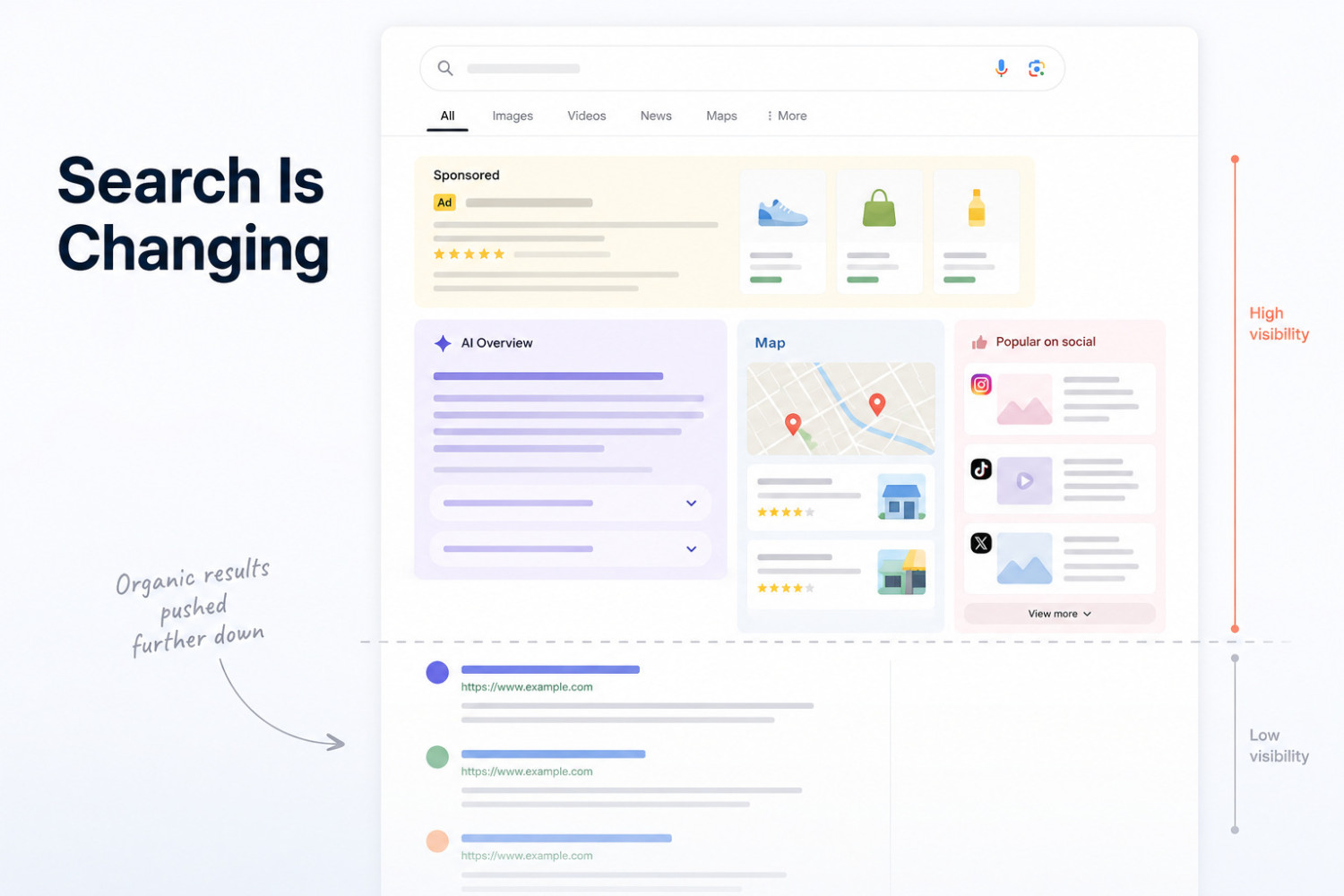
SEO alone may not be enough because people no longer rely only on traditional Google search results...
Read Article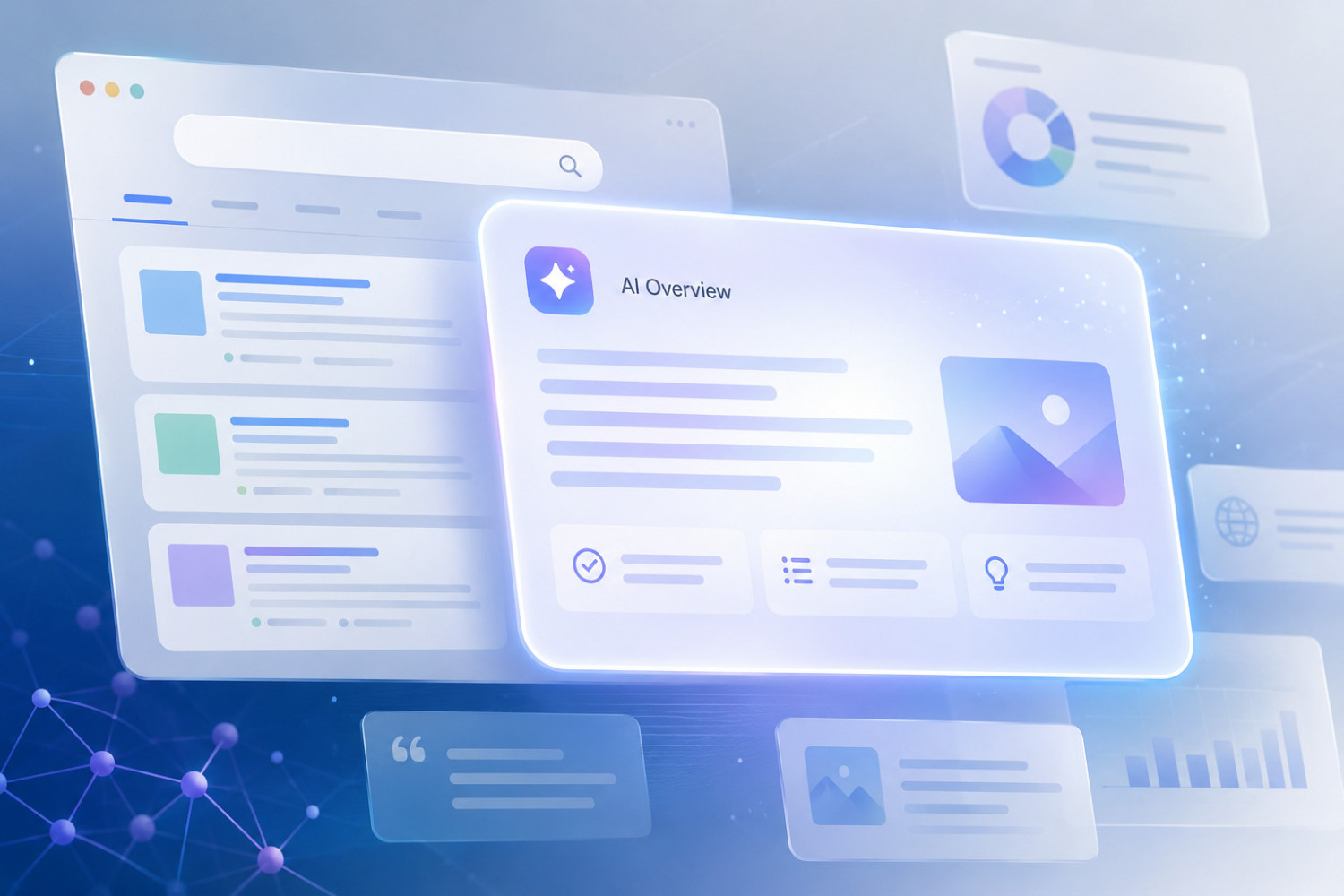
Google search results are starting to look more like AI answers because Google is moving from “showi...
Read Article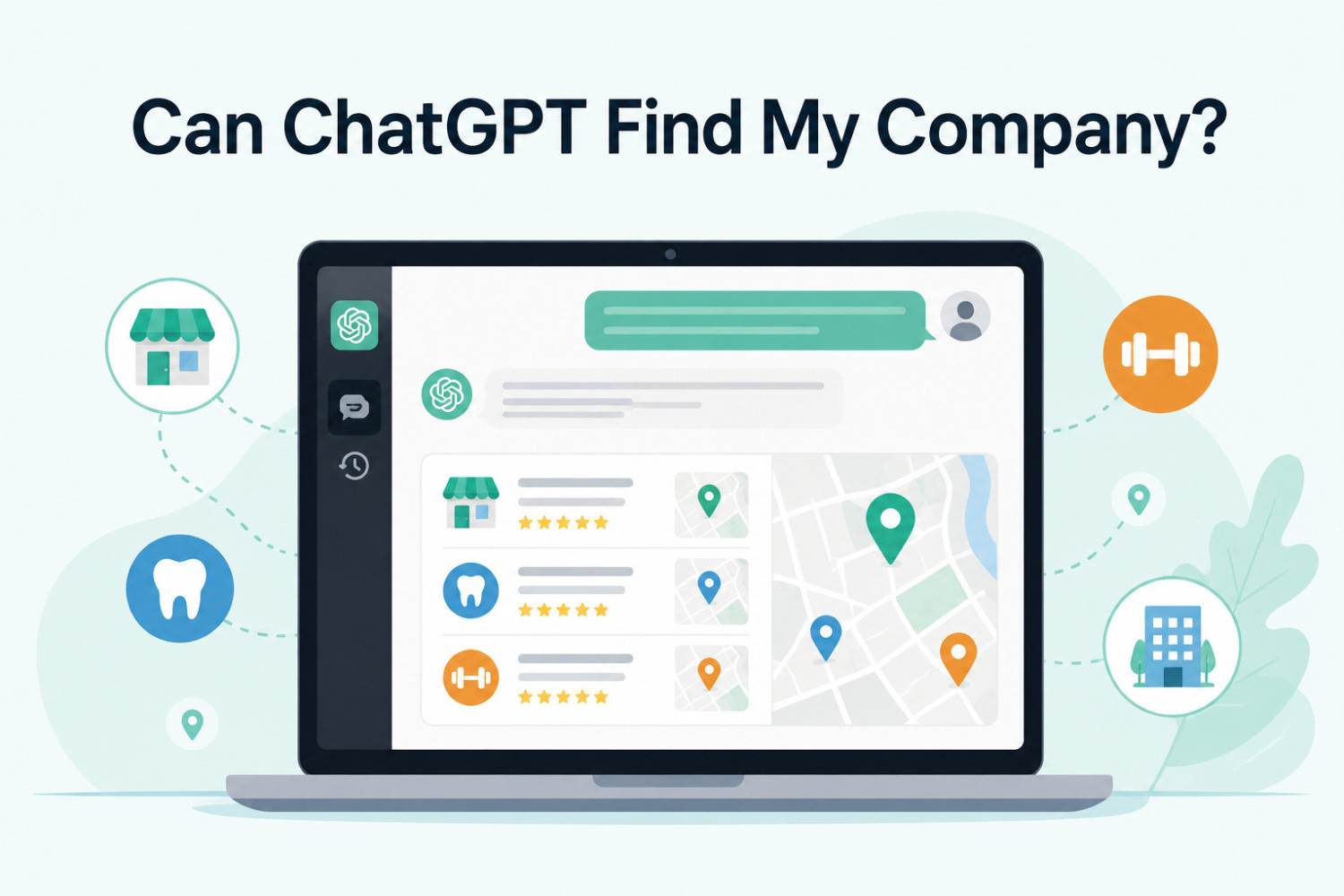
ChatGPT may not be able to find your company automatically. The more accurate answer is this: if you...
Read Article
Yes, AI answers do affect website traffic, and the impact is becoming more noticeable. In the past,...
Read Article
Yes, they often can. Even if the mini plan mainly optimizes your homepage, once that homepage become...
Read Article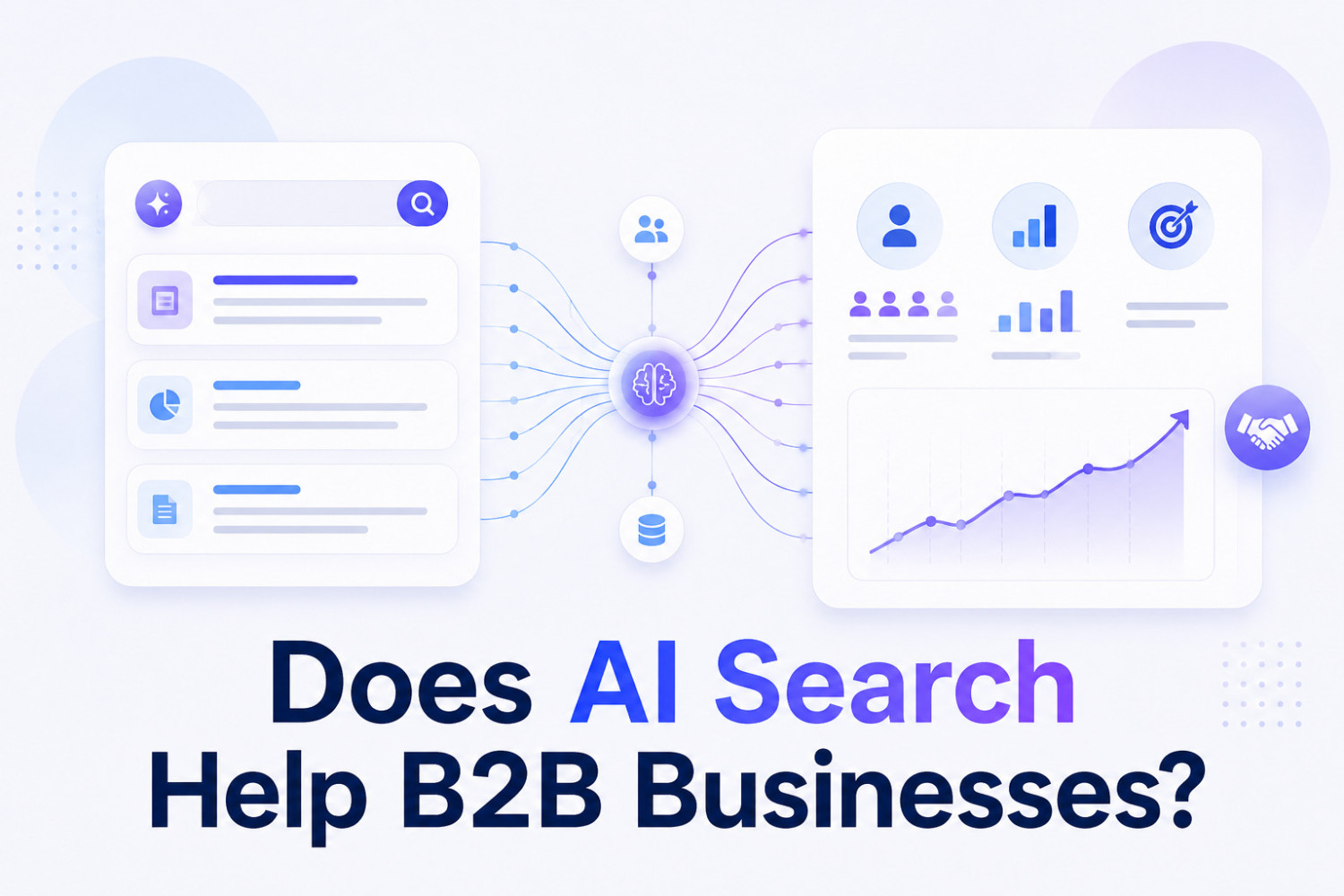
Yes. AI search can be very helpful for B2B businesses, especially when the product or service is exp...
Read Article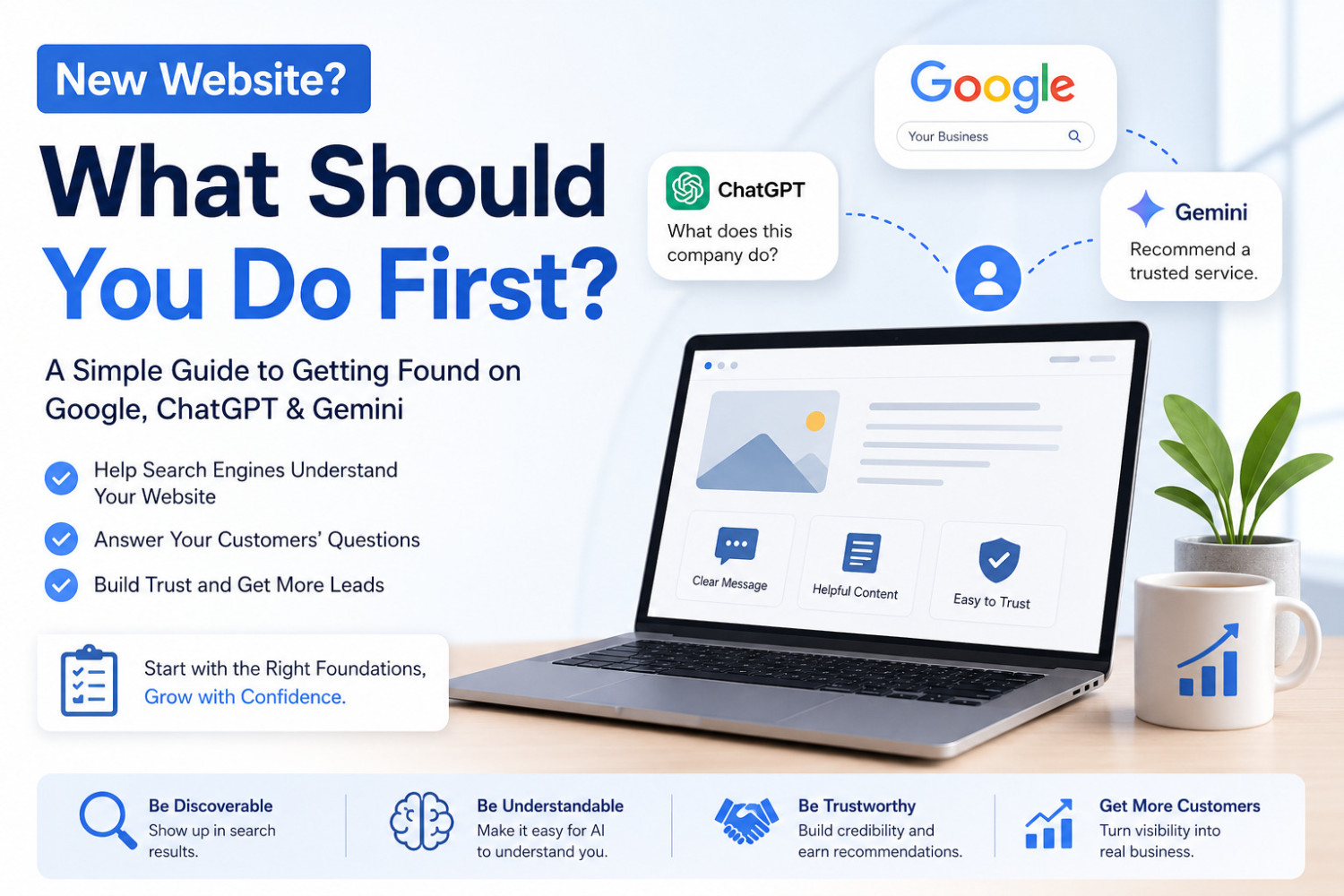
When a new website goes live, many businesses assume, “Now that the site is done, customers should s...
Read Article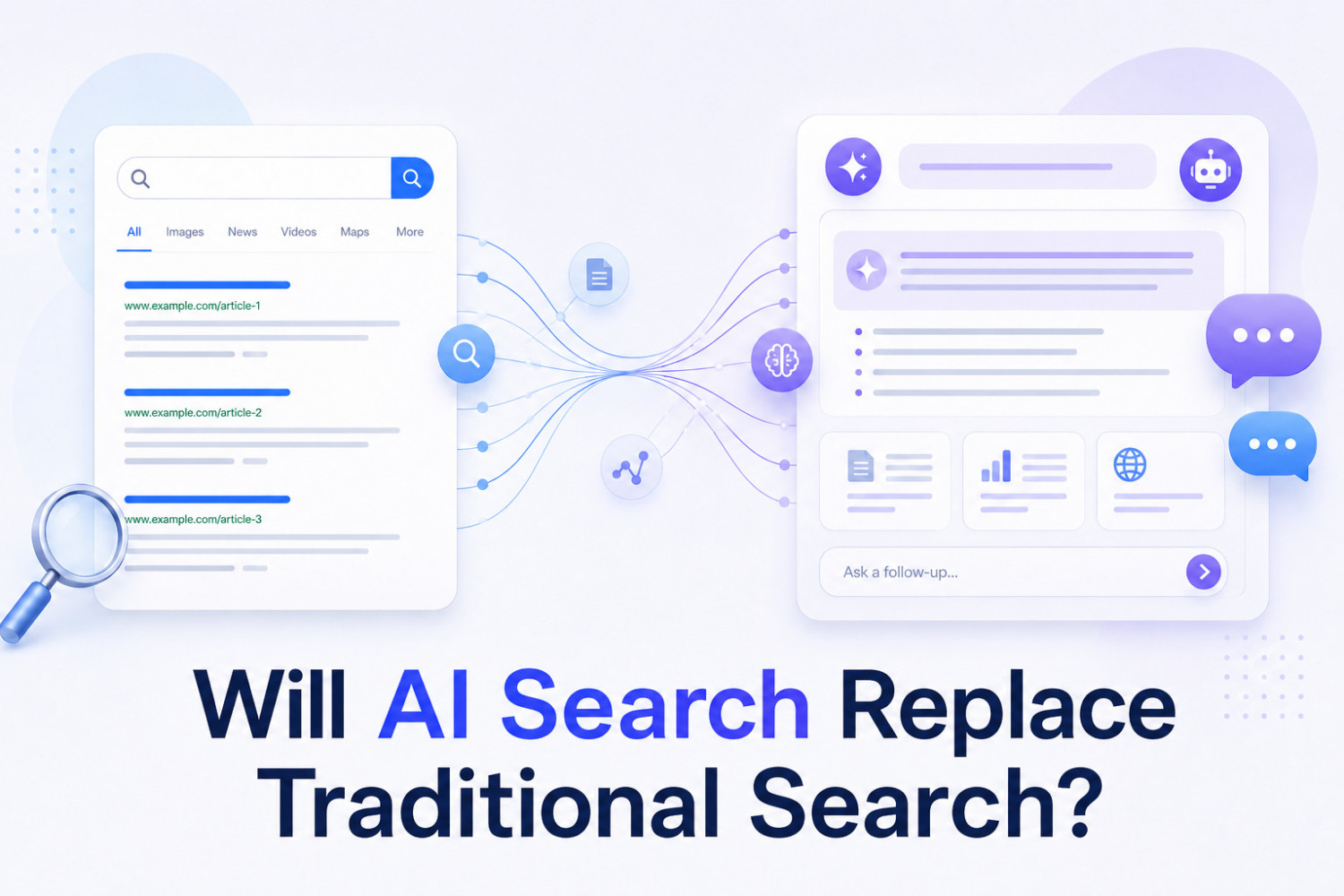
AI search probably will not completely replace traditional search, but it will change how many peopl...
Read Article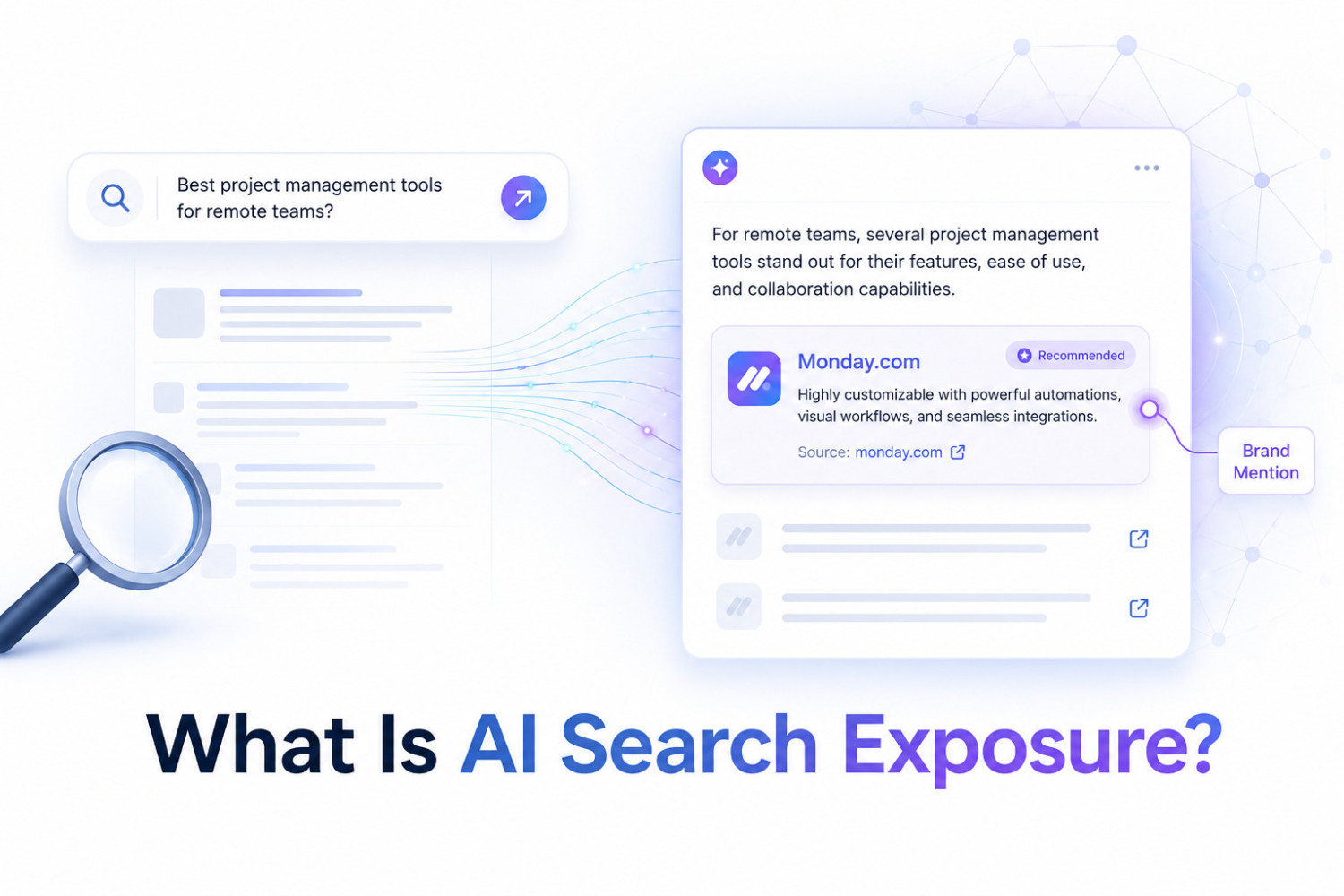
AI search exposure means the chance that your brand, website, product, service, or content appears i...
Read Article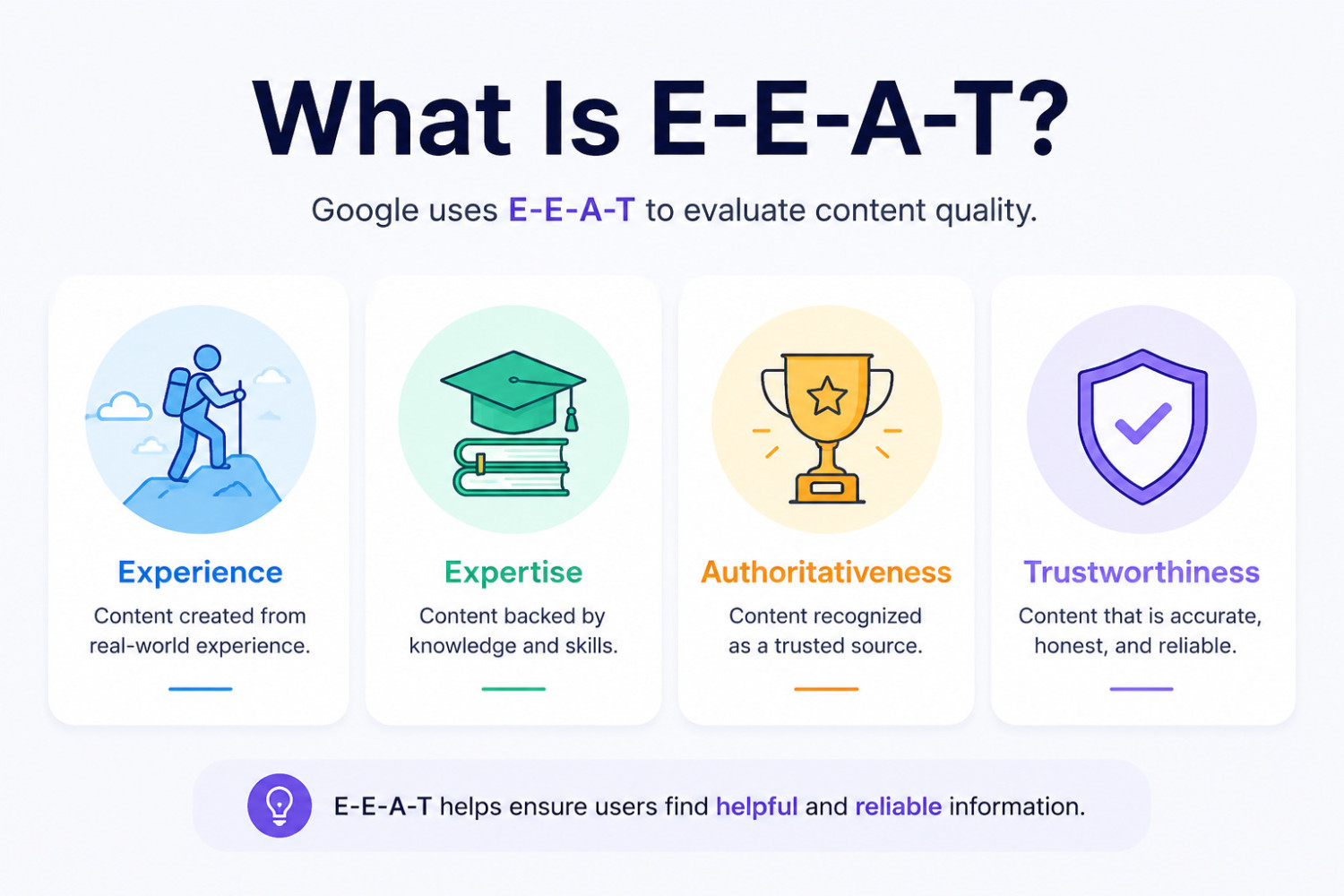
E-E-A-T is a concept Google uses to evaluate content quality. It stands for Experience, Expertise, A...
Read Article
AI search is a way of using artificial intelligence to help people find information, understand a qu...
Read ArticleWe make your brand easier for AI to discover and recommend. From brand positioning and content structure to a strategic update cadence, Pimker turns your website into a system that supports long-term visibility.
Contact Us

© Pimker 2026 AI marketing software built for modern businesses All rights reserved.