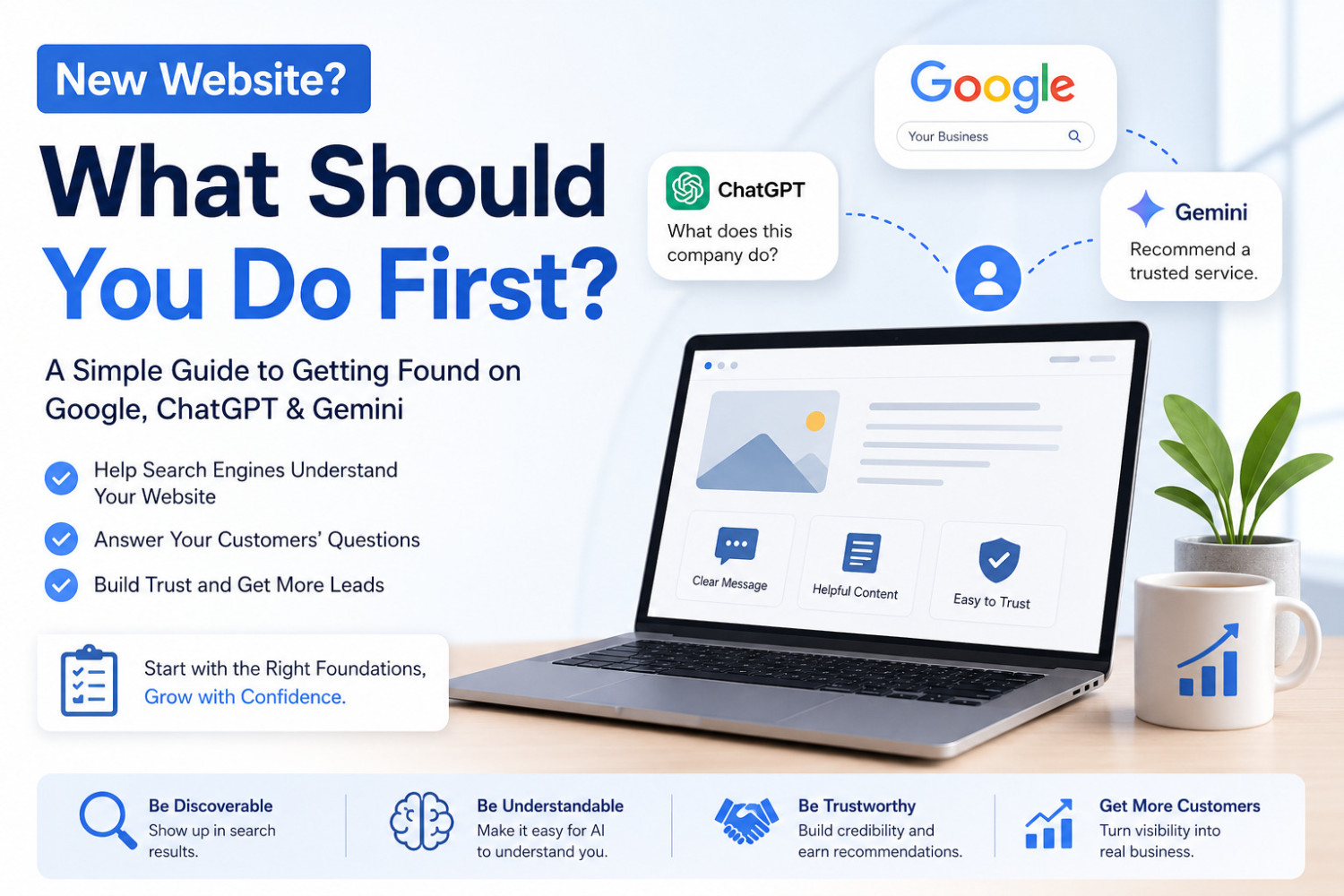
When a new website goes live, many businesses assume, “Now that the site is done, customers should start showing up over time.” But in reality, Google may not find you easily, and ChatGPT or Gemini may not know whether your brand should be mentioned. That does not always mean your business is weak. It also does not only mean the website is too new. In many cases, the website simply does not explain clearly who you are, who you help, and what problems you solve. For startups, small businesses, and service-based brands, the first thing to do after launching a website is not to publish a large number of articles or immediately run ads. It is to make sure both humans and AI can understand your site.
Why new websites often fail to generate inquiries
Many new websites focus first on design. The homepage needs to look polished. The images need to feel professional. The animations need to feel smooth. The brand needs to look credible. All of that matters, but it does not automatically help a potential customer understand your business.
A potential customer really wants to know: What service do you provide? Who is it for? What problem can you solve? Why should I trust you? What should I do next?
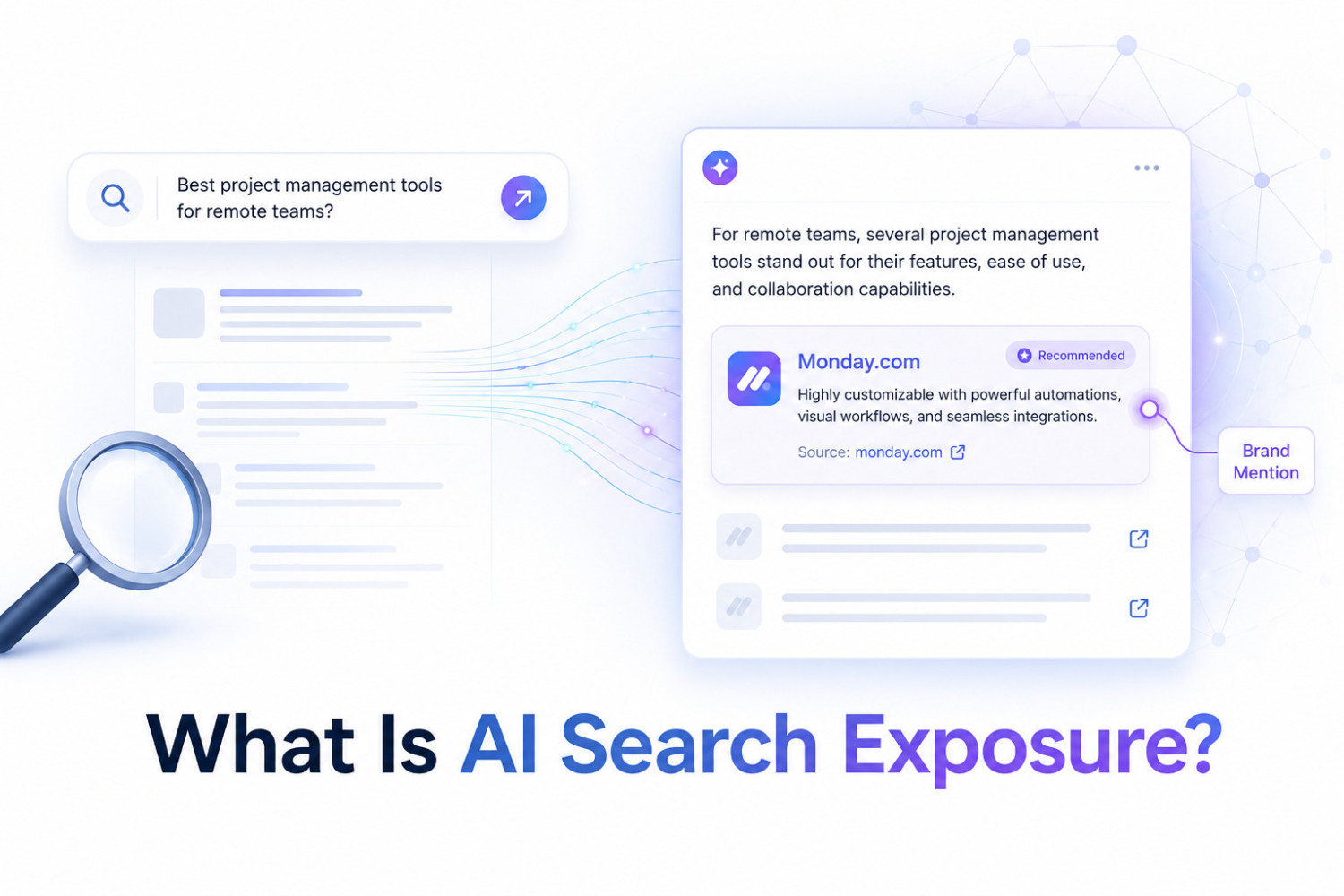
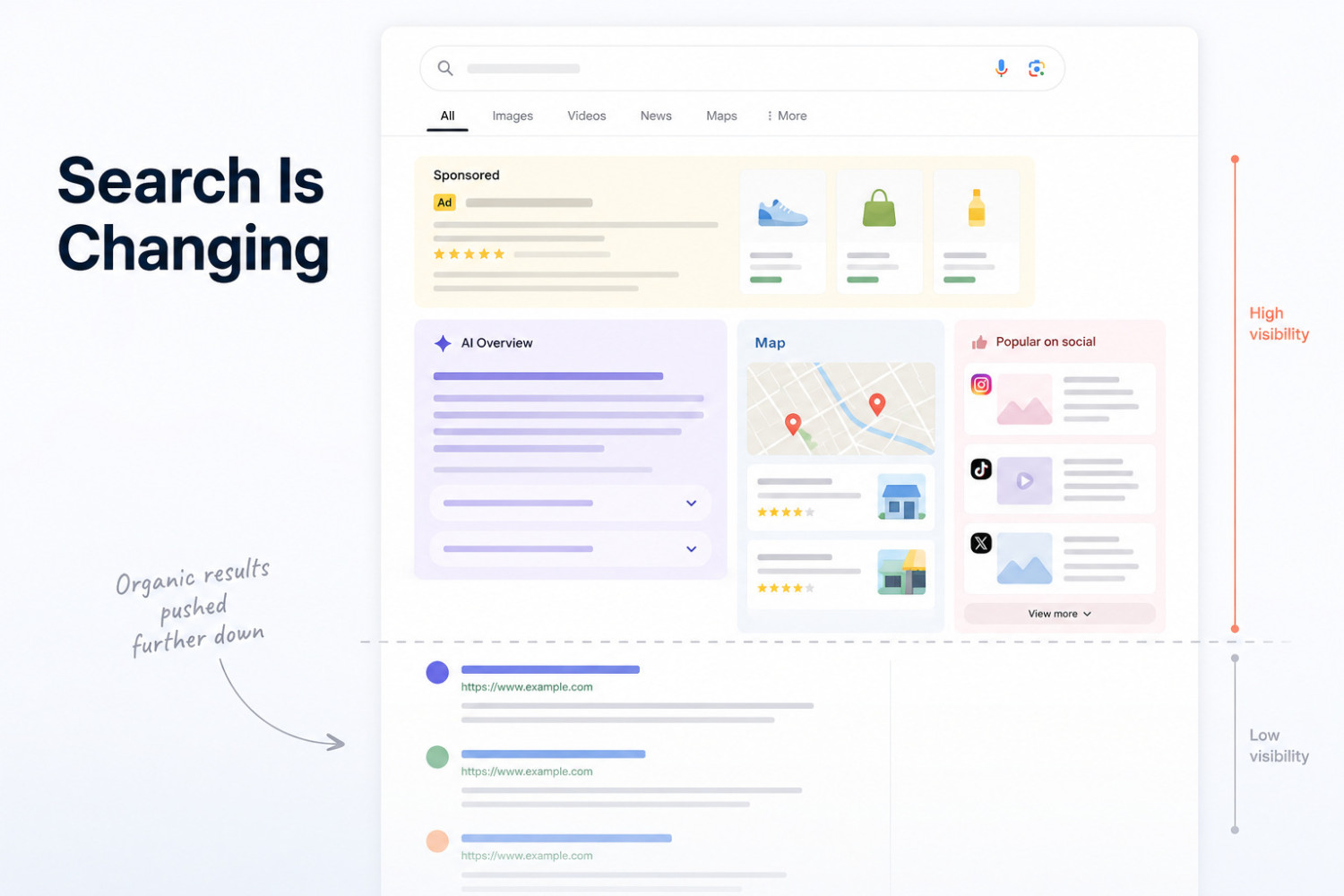
Google and AI systems look for similar signals. When someone searches on Google or asks ChatGPT or Gemini a question, those systems try to understand which websites are useful enough to answer that question. You can start with What Is AI Search?. The basic idea is simple: search is no longer just about finding pages. It is increasingly about finding brands and content that can answer specific questions.
So the most common problem with a new website is not always “there is no content.” More often, the problem is “the content is not clear enough.” A site may have a lot of brand language but no clear service explanation. It may have service pages, but each service only gets two or three sentences. It may have a contact form, but visitors still do not understand why they should contact you.
That makes the site hard for people to understand. It also makes the site hard for LLMs to understand. LLMs are large language models, such as ChatGPT, Gemini, and Claude. They need clear, structured, contextual text to understand where your website fits and what questions it can help answer.
Five common reasons behind the problem
1. The homepage does not clearly say what you do
Many homepages use lines like “We provide innovative solutions,” “We help brands grow,” or “We create better digital experiences.” These lines sound fine, but for a first-time visitor, they are too vague.
A reader may wonder, “So are you a web design company, a marketing agency, a software company, or a consulting firm?” AI may have a similar issue: “What category does this website belong to, and what type of questions is it relevant for?”
The homepage has one key job: quickly explain who you serve, what problem you solve, and what result you help create.
For example, instead of saying “We help brands become more competitive,” you could say, “We help new websites organize their content structure so Google, ChatGPT, and Gemini can better understand their services, leading to more search visibility and customer inquiries.”
That is easier for humans to understand and easier for AI to process.
Many new websites list service names such as “SEO, content marketing, brand strategy, web design, and paid ads.” The problem is that customers do not only want to know what services you offer. They want to know whether those services can solve their problem.
A strong service page should answer: Who is this service for? What problems do customers usually have? What will you improve? What business outcome might this lead to? When might this service not be the right fit yet?
If the page only lists service names, Google can only see keywords, and AI can only guess what you actually do. That makes it harder for your site to appear in comparison-based questions, such as “Should a new website start with SEO or content?” or “How can a small business get found by ChatGPT?”
3. The site does not answer the questions customers actually ask
Many new websites do not have an FAQ section. Some teams think FAQ content is only for customer support, so they leave it for later. But FAQ content is important because it directly reflects the questions potential customers already have.
For example, a new website owner may ask: What should I do first after launching a website? Should I run ads first or work on SEO first? Will ChatGPT mention my brand? Is it a problem if my website has very little content? How detailed should a service page be? What happens if AI cannot understand my website?
If your website does not answer these questions, AI has less evidence that your business is relevant to those situations. Google also has less reason to place your page in the right search results.
The purpose of FAQ content is not to stuff keywords. It is to write out real customer questions in clear language. That helps humans, and it helps LLMs.
4. The website lacks trust signals
New websites often lack trust signals. They may not have case studies, team information, a clear service process, results, or company background.
For customers, this makes it harder to leave an inquiry. For Google and AI, it also makes the website harder to recommend with confidence.
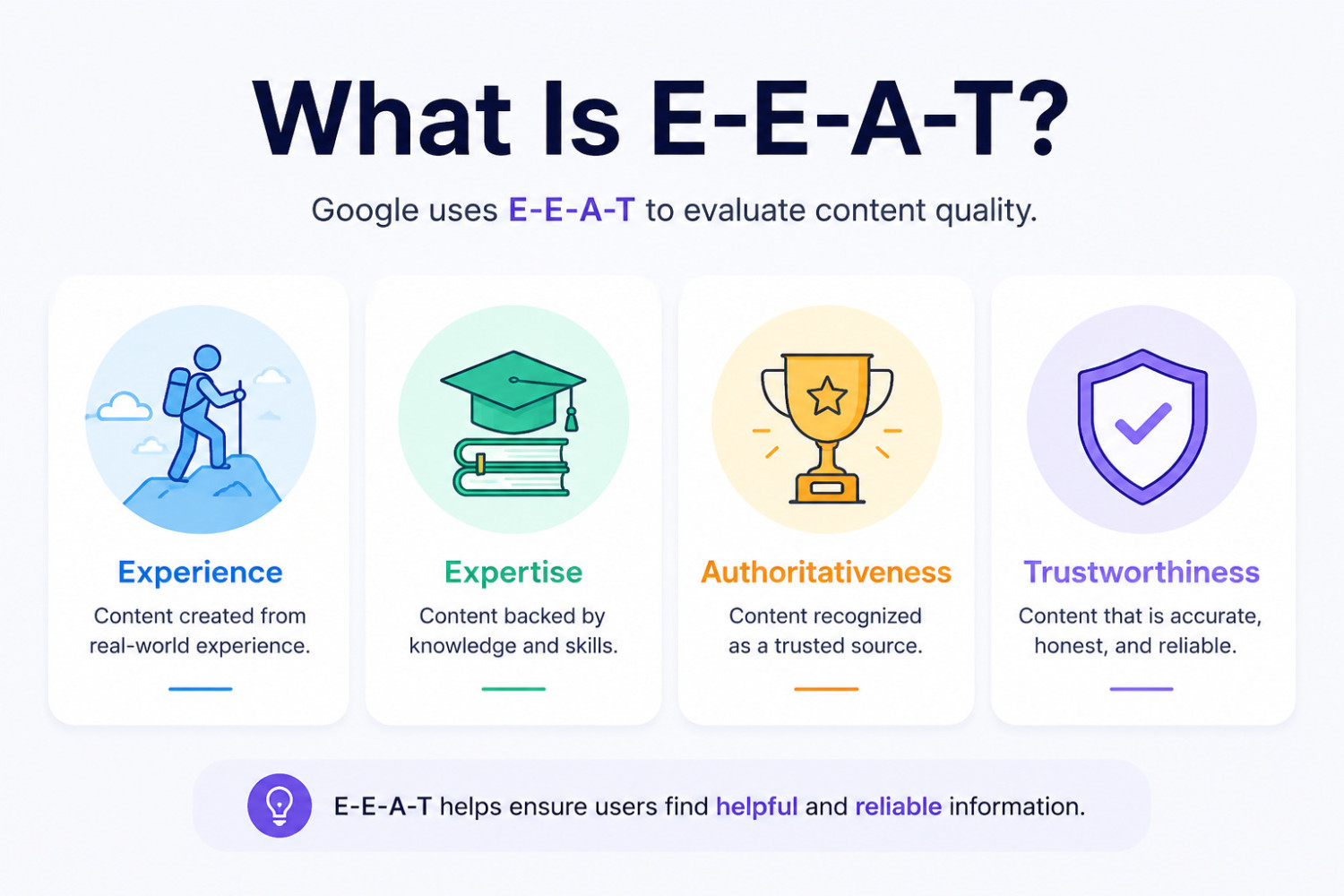
You can think of What Is E-E-A-T? as a trust framework. In simple terms, it asks: Do you have real experience? Do you understand the subject? Can people trust you? Is your content reliable?
This is not only for large companies. Small businesses, startups, consultants, design studios, software vendors, and local service providers all need trust signals. Before customers contact you, they want to know whether your company is credible.
5. The pages are not connected to each other
Some websites do have content, but the pages are isolated. The homepage does not link to key service pages. Articles do not link to relevant solutions. FAQ sections do not guide visitors to a diagnostic tool or next step. After reading one page, users do not know where to go next.
That is not friendly to humans, and it is not friendly to AI.
Internal links are like roads inside your website. When the roads are clear, users can move to the next step more easily. When the roads are messy, Google and AI also have a harder time understanding which pages matter most.
For example, when explaining AI search, you can link to Will AI Search Replace Traditional Search?. When discussing whether brands get mentioned by AI, you can link to the AI Citation Study. When explaining implementation order, you can link to the AI Search Growth Roadmap.
Why this affects whether Google, ChatGPT, and Gemini bring you customers
Many people talk about SEO as if traffic is the only goal. But for a business, traffic is not the end result. What you really want is for more people to discover you, understand you, trust you, and eventually contact you.
Google can bring search traffic. ChatGPT and Gemini may influence whether your brand gets mentioned. AI answers may influence which companies customers compare. Your website content affects whether someone decides to contact you.
That means a new website should not only ask, “Do we have articles?” It should ask, “Can our website be understood?”
When a user asks, “What should I do first after launching a new website?” AI will look for content that can answer that question. If your site clearly explains common problems, priorities, business impact, and next actions, it has a better chance of being understood. If your site only has nice visuals and a few slogans, AI may not know that your business is relevant.
Put simply: the clearer your website is, the easier it is for people to understand. The clearer your website is, the easier it is for LLMs to understand too.
What a new website should do first
Check whether the homepage is instantly understandable
Use a simple test. Ask someone who does not know your company to look at your homepage for 10 seconds. Then ask three questions.
What does this company do? Who does it help? What should I do next?
If they cannot answer, your homepage is not clear enough yet. At that point, do not rush to publish more articles. First, clarify the homepage positioning.
Strengthen the most important service page first
You do not need to fix the entire website at once. Start with the service page most likely to generate customer inquiries.
That page should clearly explain who the service is for, what problem it solves, what situations it applies to, how you help, and what result the customer can reasonably expect.
Write the questions customers actually ask
Instead of publishing vague brand content, start by writing down the questions customers ask before making a decision.
For example: Should a new website work on content or technical SEO first? What is the difference between AI search and traditional search? Do small businesses need AI visibility? Does thin website content affect how ChatGPT understands the business? How should a service page be written so Google and AI can understand it?
These questions are useful for FAQ sections, articles, and service pages.
Check whether AI can understand your website
You do not need to begin with a large project. A better first step is to check one important page.
You can use the free Webpage Score to see how AI evaluates your positioning, content completeness, trust signals, conversion design, and AI readability.
The goal is not to chase a perfect score. The goal is to find priorities. If positioning is unclear, fix positioning first. If content is too thin, expand the content. If trust is weak, add proof, examples, or process details. If there is no next step, improve the CTA.
Create a clear next step
Every important page should show users what they can do next. Not everyone will buy immediately, but they should know what to read, what to check, or who to contact.
If the reader is still early in the learning stage, you can guide them to Free AI Traffic. If they already want to check their website, you can guide them to Webpage Score.
Which companies should prioritize this?
This matters especially for startups, newly launched brands, small businesses, B2B service providers, consultants, design agencies, SaaS products, and local service businesses.
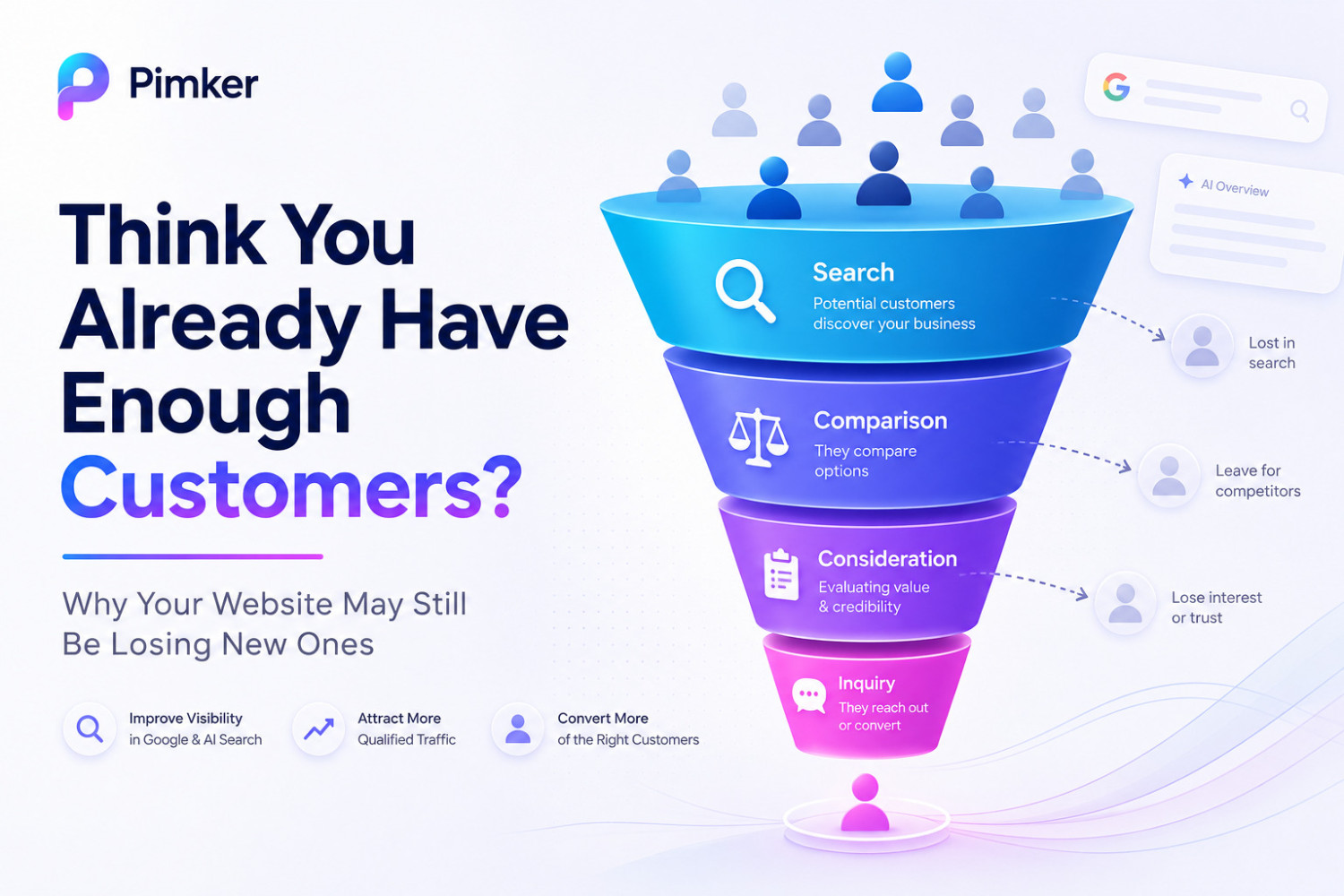
Your customers usually do not decide after one quick glance. They compare, search, ask AI, and check whether your website feels credible. If your site cannot answer their questions clearly, your company may disappear from their shortlist.
This is especially important for new websites, which usually do not yet have strong brand searches, backlinks, press mentions, or case studies. At this stage, the website itself is the asset you can control most directly.
After launching a new website, the first step is not to do more. It is to explain more clearly.
Explain who you are. Explain who you help. Explain what problem you solve. Explain why customers can trust you. Explain where they should go next.
These ideas sound basic, but they are the foundation for how Google, ChatGPT, and Gemini understand your website. Humans need clear explanations. LLMs need clear explanations too.
If the website itself is unclear, more articles, more ads, and more keywords may simply push a vague message to more people. The real starting point is to turn the website into a business entry point that can be understood, trusted, and used to generate inquiries.
Check for free whether AI understands your new website
If your website just launched, or if it has been live for a while but Google visibility, ChatGPT / Gemini mentions, and organic inquiries are still weak, start by checking one important page.
You can use the Pimker free Webpage Score to evaluate positioning, content completeness, trust signals, conversion design, and AI readability.
Further reading