

How AI Understands Your Brand and Impacts Customer Acquisition
How Does AI Understand Your Brand? Your website may already explain your company, services, case studies, and contact information. But that does not mean potent
How Does AI Understand Your Brand? Your website may already explain your company, services, case studies, and contact information. But that does not mean potent
Your website may already explain your company, services, case studies, and contact information. But that does not mean potential customers will find you on Google, or that your brand will appear in answers from ChatGPT, Gemini, or other AI search experiences. This does not necessarily mean your brand is weak. It may simply mean that search engines and AI systems do not yet clearly understand who you are, who you serve, what problems you solve, and why customers should consider you. For brand owners, this is not just a technical issue. It directly affects visibility, inquiries, and customer acquisition.
Many business owners assume that once a website is live, with an About page, service descriptions, and a few blog posts, Google and AI tools will naturally understand what the brand does. In reality, search engines and AI systems do not “browse and interpret” websites the same way humans do. They rely heavily on website copy, page structure, content relationships, brand signals, external mentions, and the questions users commonly ask to decide whether a brand is clear, relevant, and trustworthy enough to be cited or recommended.
A common issue with business websites is that they may look complete to human visitors but remain unclear to machines. For example, a homepage might say “professional, innovative, customized solutions,” but fail to clearly explain the services offered, the ideal customer profile, the common use cases, the business outcomes, and what makes the company different. A human visitor may be able to make assumptions after browsing several pages. AI, however, needs clearer signals to place your brand in the right context.
This is why some companies invest heavily in branding, design, paid ads, and website visuals, yet still receive little organic visibility or few AI mentions. The issue is not always that the website looks bad. More often, the website has not organized “how the brand should be understood” into a clear information system.
There are three common misunderstandings. First, business owners assume having a website means the brand will automatically be understood. Second, they assume publishing more articles will automatically increase AI mentions. Third, they assume this is only a technical SEO issue for marketers. In reality, as customers increasingly use Google, ChatGPT, Gemini, Claude, and other AI-powered entry points to find vendors, compare options, and ask for recommendations, whether your brand is correctly understood has become part of brand visibility and sales development.
If you are thinking about how your website can become more visible to AI-driven discovery, you can start with Pimker’s AI optimization overview to understand the basic direction of making your website easier for search engines and AI systems to read.
Many brand websites spend a lot of space describing vision, values, team culture, and company philosophy. These details may matter internally, but potential customers usually care about more practical questions: Do you understand my situation? Can you solve my problem? Are you a good fit for my company? Why should I choose you instead of another provider?
AI systems face the same challenge when trying to understand your brand. If your website does not clearly state your target audience, industry context, customer pain points, service scenarios, and suitability criteria, AI will struggle to decide when your brand should appear in an answer.
For example, a B2B consulting company may say it provides “digital transformation consulting,” but if the website does not specify whether it serves manufacturers, retailers, healthcare companies, SaaS businesses, or local service providers, AI cannot easily connect the brand to specific customer needs. The result is that the brand exists online, but is not easily selected as a relevant answer.
A service page should not only list service names and selling points. It should help customers make decisions. Many service pages appear complete at first glance, but only explain “what we offer” without answering what potential customers actually need to know: Who is this service for? Who is it not for? What should a company prepare before starting? What challenges usually appear during implementation? How is this different from alternative approaches?
When these answers are missing, Google may only classify your brand as a generic service provider. AI systems may also pick up vague descriptions without enough detail to explain why your company is worth considering.
This is especially important for users in the middle of the funnel. They are no longer simply learning a term. They are comparing options, evaluating vendors, and deciding whether to contact a company. If your website does not provide enough decision-making information, even visitors who land on your website may leave without taking the next step.
You can think of a page like Pimker’s plans page as more than a place to show packages. Its role is to help potential customers understand available options, implementation direction, and whether the service matches their current situation.
FAQ content is not just there to make a page longer. It captures the real questions that customers, sales teams, and support teams repeatedly deal with, and turns them into answers that both humans and AI systems can understand.
Many companies already have valuable knowledge, but it is scattered across sales decks, chat records, customer support emails, proposal documents, or the founder’s own experience. If this knowledge is not organized on the website, Google and AI systems cannot reliably read it, cite it, or associate the brand with those questions.
For example, customers may ask: “How long does this service usually take to show results?” “Is it suitable for early-stage brands?” “How is this different from paid ads?” “Can this work if our website has very little content?” If these answers are not available on your website, AI will look elsewhere. Over time, other websites become the source of answers, while your brand is left out of the conversation.
This is why content planning should not only focus on blog posts. It should also include your website’s overall question library, service page enhancements, and common customer objections. You can also explore Pimker’s AI learning resources to see how different topics can be organized into content that is easier for AI systems to understand.
AI does not only look at a single page. It also looks for consistency across your website. If the homepage says you are an “AI marketing tool,” the service page says you provide “SEO services,” and the blog mostly talks about “content marketing,” but the website does not clearly connect these ideas, systems may struggle to understand your core positioning.
This happens often when different people write different pages over time. Each page may make sense by itself, but the website as a whole becomes fragmented. Human visitors may still be able to guess what the company does, but search engines and AI systems receive mixed signals.
This affects how accurately your brand is mentioned. AI may recognize your brand name but not know which category to place you in. It may understand one service but fail to connect it to your primary market, customer scenarios, and business value.
If you want your brand to be understood more consistently across ChatGPT, Gemini, Claude, and other AI systems, you can review the content context of pages such as ChatGPT visibility, Google Gemini visibility, and Claude visibility.
Even if search engines or AI systems understand your brand, the business impact will still be limited if your website does not provide a clear next step. Many websites focus heavily on visibility but fail to guide visitors after they arrive. Should they contact you? View a plan? Request an audit? Download a checklist? Book a consultation?
For brand owners, AI visibility is not the final goal. The real question is: after your brand is mentioned, will potential customers click through? Once they arrive, will they understand your value? After they understand it, will they know what to do next?
If this path is unclear, visibility becomes inefficient. Your website may attract attention, but not inquiries.
That is why website content should be designed for both understanding and action. A page like Pimker’s contact page serves as the conversion point for visitors who want to discuss their situation, while an entry point like the free AI visibility checklist can help brands in the evaluation stage assess their current situation first.
In the past, organic search discussions often focused mainly on keyword rankings and traffic. But today, brands are not only competing on search results pages. They are also competing inside AI answers, AI summaries, recommendation lists, comparison-style questions, and conversational search journeys.
Potential customers may no longer search only for “service provider near me” or “best agency for X.” They may ask: “Which AI marketing tools are suitable for small businesses?” “How can a brand increase mentions in ChatGPT?” “How should a company organize website content so Google and AI can understand it better?”
These questions contain commercial intent. Users are not browsing casually. They are collecting options, narrowing down a shortlist, and evaluating trust. If AI systems can clearly understand your brand, you may appear earlier in these comparison and discovery moments. If AI systems cannot understand you, you may be excluded even if your company is actually a strong fit.
This affects five business outcomes.
First, mentions. Whether your brand appears in AI answers or search results determines whether potential customers know you exist.
Second, understanding. Once customers see your name, they need to quickly understand what you do and why it matters.
Third, trust. Clear website content, specific use cases, and complete answers make your brand feel more credible than generic marketing claims.
Fourth, comparison. Middle-of-funnel customers usually compare you with alternatives. If your website does not provide enough context, they will rely on someone else’s interpretation of your brand.
Fifth, conversion. When your brand is correctly understood and your value is clearly expressed, customers are more likely to submit an inquiry, request a consultation, or review your plans.
In other words, how AI understands your brand is not merely a content issue. It affects whether potential customers can discover you, understand you, trust you, compare you fairly, and eventually choose you.
Start with your homepage. Can a new visitor understand within ten seconds who you are, who you serve, and what problem you solve? If the answer is unclear for a human visitor, it will likely be unclear for AI as well.
Your homepage should not be a dumping ground for every detail. It should act as the starting point of brand understanding. You do not need to explain every service in full on the homepage, but you do need to clarify your main positioning, core value, ideal audience, and next step.
Middle-of-funnel customers need decision-making information. Your service pages should answer: What situation is this service for? What problem does it solve? How is it different from other options? What kind of business outcome can customers expect?
If your service pages rely mostly on adjectives and do not provide decision criteria, they will not support customer comparison. They also will not give AI systems enough context to include your brand in high-intent answers.
Do not only look for topics from keyword tools. Look at what real customers ask. Questions that your sales team repeatedly answers are often the exact content your website is missing. Questions that your customer support team repeatedly explains are also strong candidates for AI-readable answers.
These questions do not all need to become long blog posts. Some belong in FAQ sections, some should be added to service pages, and some can be turned into case explanations. The goal is to make sure your website answers the questions customers ask when they are making a decision.
Review your homepage, About page, service pages, articles, and case studies. Are they using a consistent positioning language? If every page describes the company differently, search engines and AI systems will have a harder time understanding your brand.
This does not mean every page should repeat the same sentence. It means different types of content should connect back to the same brand logic. For example, if your company provides AI marketing automation, your content may discuss ChatGPT, Gemini, website content, search visibility, and customer acquisition. But those topics should still connect back to how your brand helps companies get more customers.
Many companies react to low visibility by publishing more articles. But if the foundation of the website is unclear, adding more articles may simply create more confusion. A better order is to first audit the basics: Is the homepage clear? Are the service pages complete? Is the FAQ useful? Is the brand positioning consistent? Is there a clear conversion path?
If the core pages are weak, you should improve the website structure first. If the foundation is already clear, then it makes sense to expand topical content, case studies, and long-tail question coverage. This is why starting with a free AI visibility checklist or contacting Pimker to review your current situation can be more effective than immediately rewriting your entire website.
Several types of companies should prioritize how AI understands their brand.
First, B2B companies with longer sales cycles. These customers usually compare multiple vendors before making contact. Search and AI answers can influence the early shortlist. If your brand does not appear during the comparison stage, your sales team will have a harder time entering the conversation later.
Second, companies whose services require explanation. This includes consulting, software, system implementation, professional services, education, healthcare, finance, legal, and other service businesses. These offerings are not always instantly understood. The website must help customers understand the value.
Third, companies that already have a website but receive too few organic inquiries. If your website has traffic but few inquiries, the content may not be building enough trust or conversion intent. If your website has little visibility at all, the issue may be unclear brand signals and weak topic structure.
Fourth, companies trying to reduce dependence on paid ads. Paid ads can bring short-term traffic, but organic search visibility and AI mentions are long-term assets. If the website is not understandable, those assets are difficult to build.
Fifth, companies that already have a content team but inconsistent results. Some brands publish frequently but still do not see inquiry growth. Common reasons include fragmented content, weak internal linking to service pages, lack of decision-stage answers, and unclear conversion paths.
On the other hand, if your company does not yet have a clear service offering, your website is not live, or your customers mainly come from offline relationships, AI visibility may not need to be your first priority right now. But if you want to acquire customers through Google, ChatGPT, Gemini, and other AI-powered entry points in the future, this is not something you should delay for too long.
How AI understands your brand is not a problem that can be solved with a single tactic. It involves whether your website clearly communicates your positioning, whether your service pages answer real customer questions, whether your FAQ content addresses common objections, whether your content forms a consistent topic structure, and whether each page leads visitors toward the next step.
For brand owners, the point is not to chase every new acronym or force your website into a technical framework. The real issue is simpler and more commercial: can both customers and AI systems clearly understand who you are, who you are for, what problem you solve, and why you deserve to be considered?
When your website becomes easier to understand, your brand has a stronger foundation for being mentioned by Google, ChatGPT, Gemini, and other AI-powered discovery channels. When your content reflects real customer questions, inquiries and conversions have a better chance of improving. This is not only a content project. It is a brand clarity project and a customer acquisition project.
If you are not sure whether your website is clear enough for Google and AI systems to understand, you do not need to start by rewriting every article. A better first step is to review your current situation: brand positioning, service page structure, FAQ coverage, internal links, and conversion paths.
Pimker can help brands review their current website, identify gaps in search and AI understanding, and decide which pages, content, and brand signals should be improved first. If you want to check whether your website is easy for AI systems to understand correctly, you can start with a free review and contact form. First understand your current situation, then decide what to improve next.

Leave your name and email to receive future blog updates and product insights.
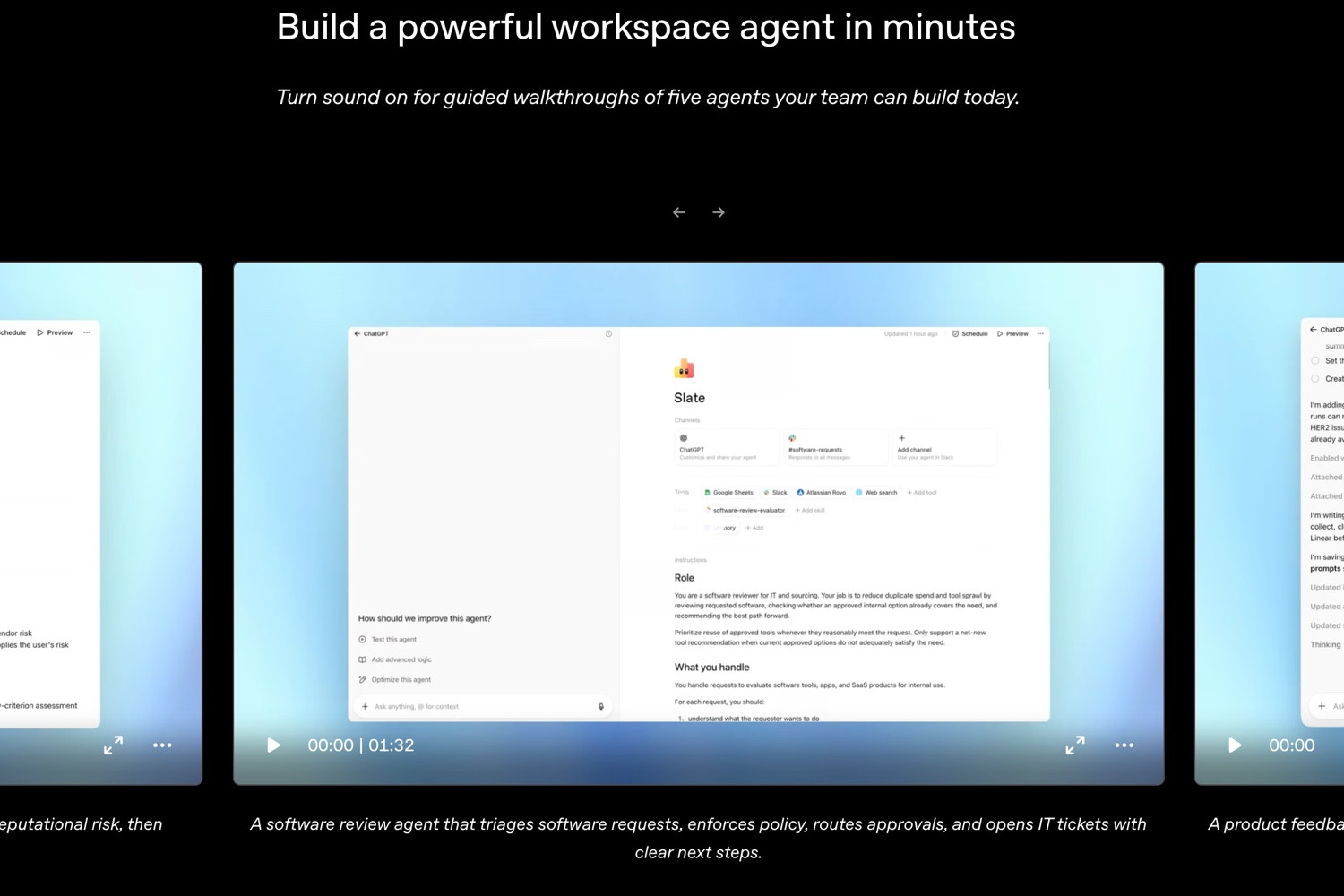
AI News | Editor: Sandy On April 22, 2026, OpenAI introduced ChatGPT workspace agents, pushing its e...
Read Article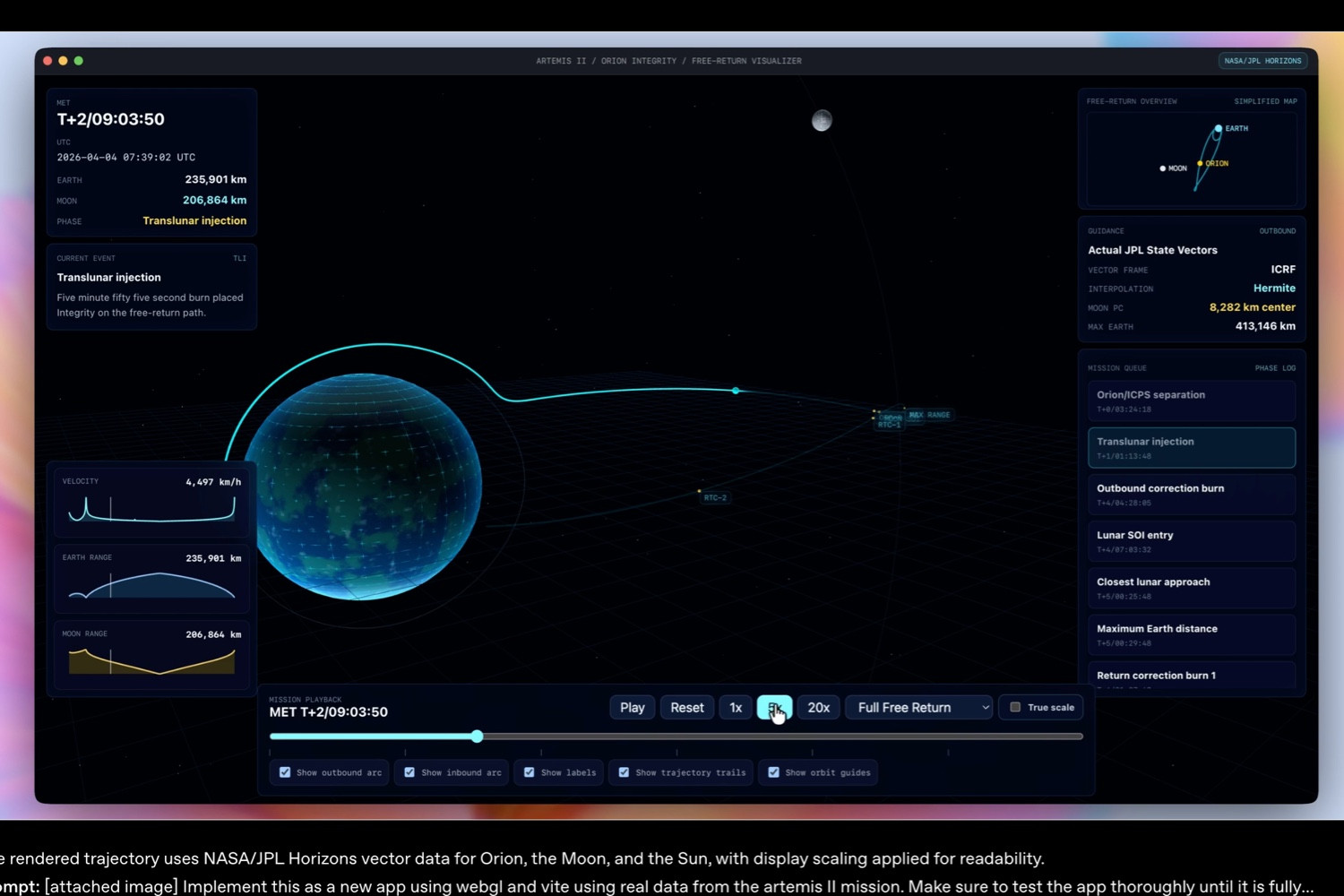
AI News | Editor: Sandy OpenAI released GPT-5.5 on April 23, 2026, and followed up on April 24 by an...
Read Article
AI News | Editor: Sandy Anthropic announced two closely related expansions to the Claude ecosystem o...
Read Article
AI News | Editor: Sandy When Chinese AI company DeepSeek previewed its next-generation DeepSeek V4 f...
Read Article
AI News | Editor: Sandy Anthropic announced “Claude for Creative Work” on April 28, 2026, and the mo...
Read Article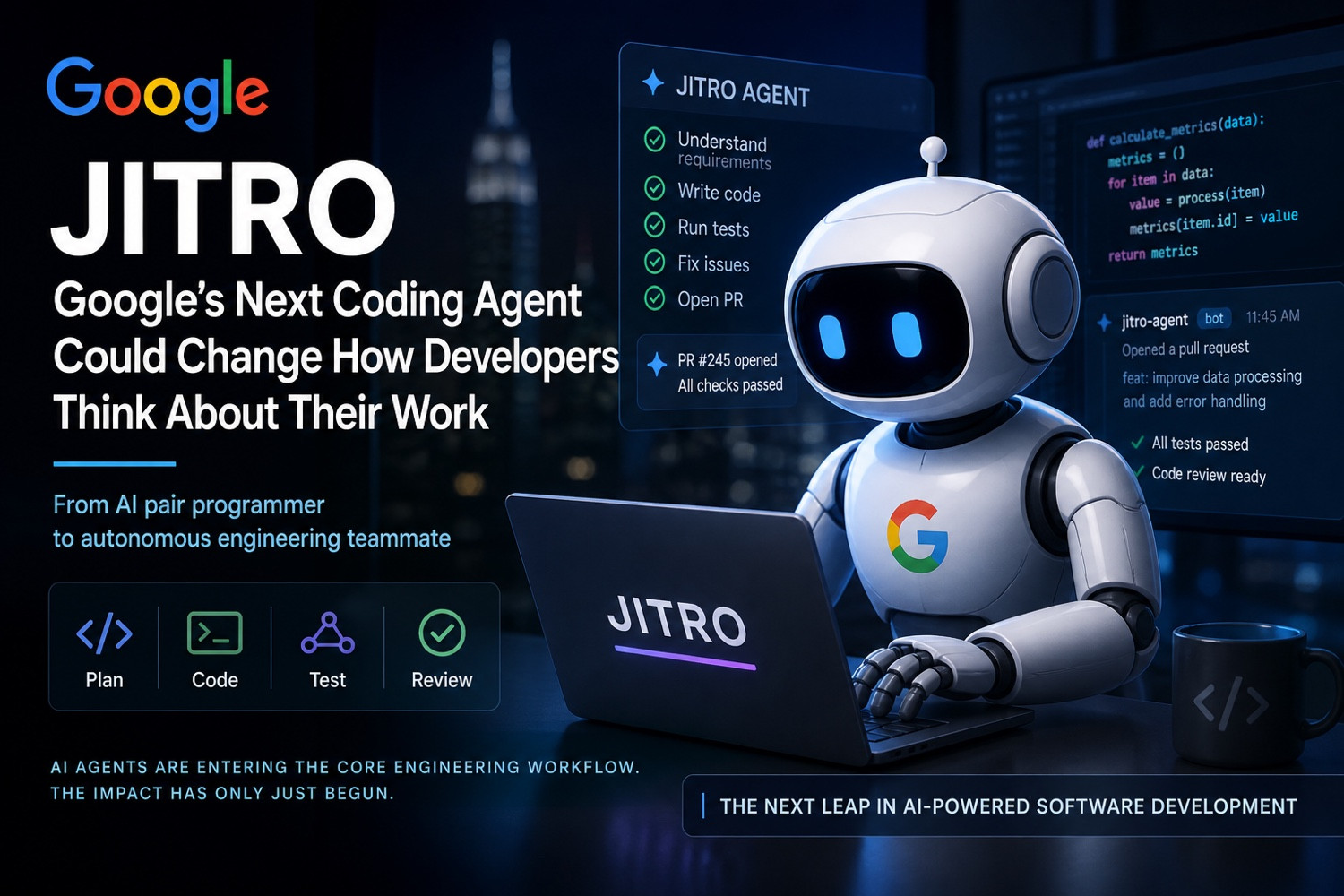
AI News | Editor: Sandy As of late April 2026, DevOps.com reported in “Google’s Next Coding Agent Co...
Read Article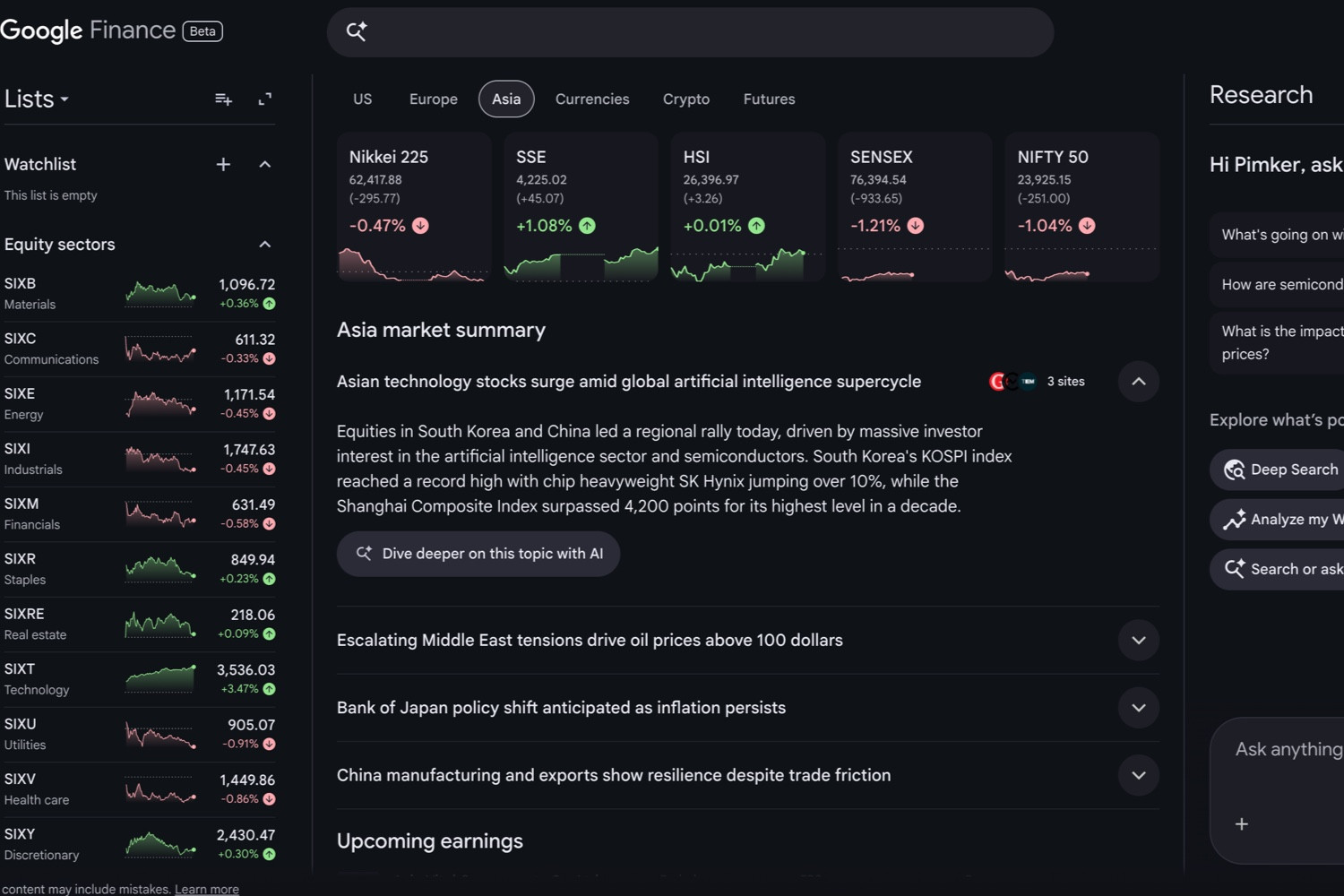
AI News | Editor: Sandy Google announced this week that its redesigned, AI-powered Google Finance is...
Read Article
AI News | Editor: Sandy Anthropic released the latest update to Claude Managed Agents on May 6, 2026...
Read Article
Turning AI Workflows for Finance Teams into Prompts for Content and Business Tasks OpenAI Academy’s...
Read Article
AI News | Editor: Sandy On May 12, 2026, Google announced Googlebook in its official blog post, “Int...
Read Article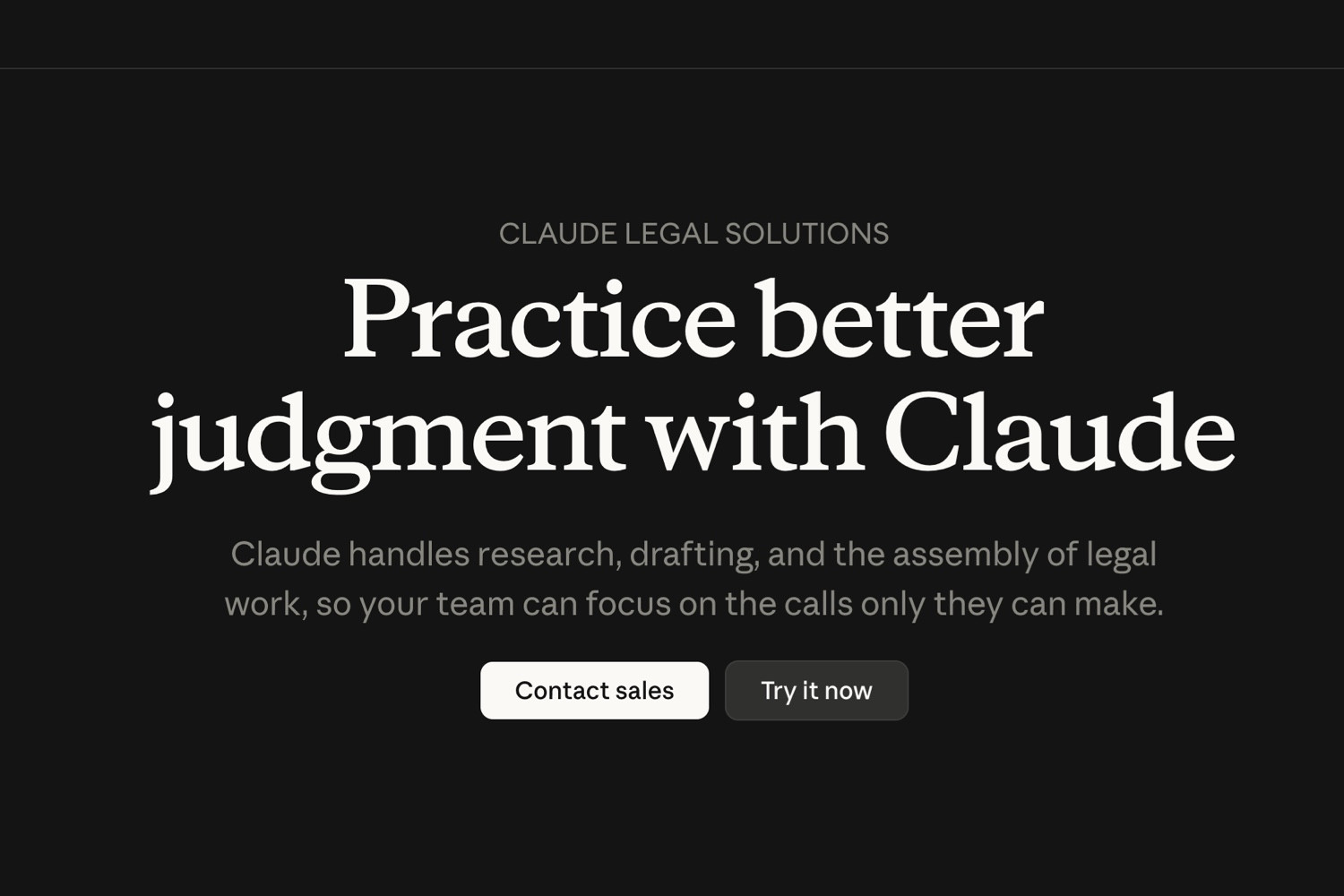
In mid-May 2026, Anthropic shifted the commercial story around Claude from “model capability” toward...
Read Article
Many small business owners, independent professionals, and solo operators are already using AI conte...
Read Article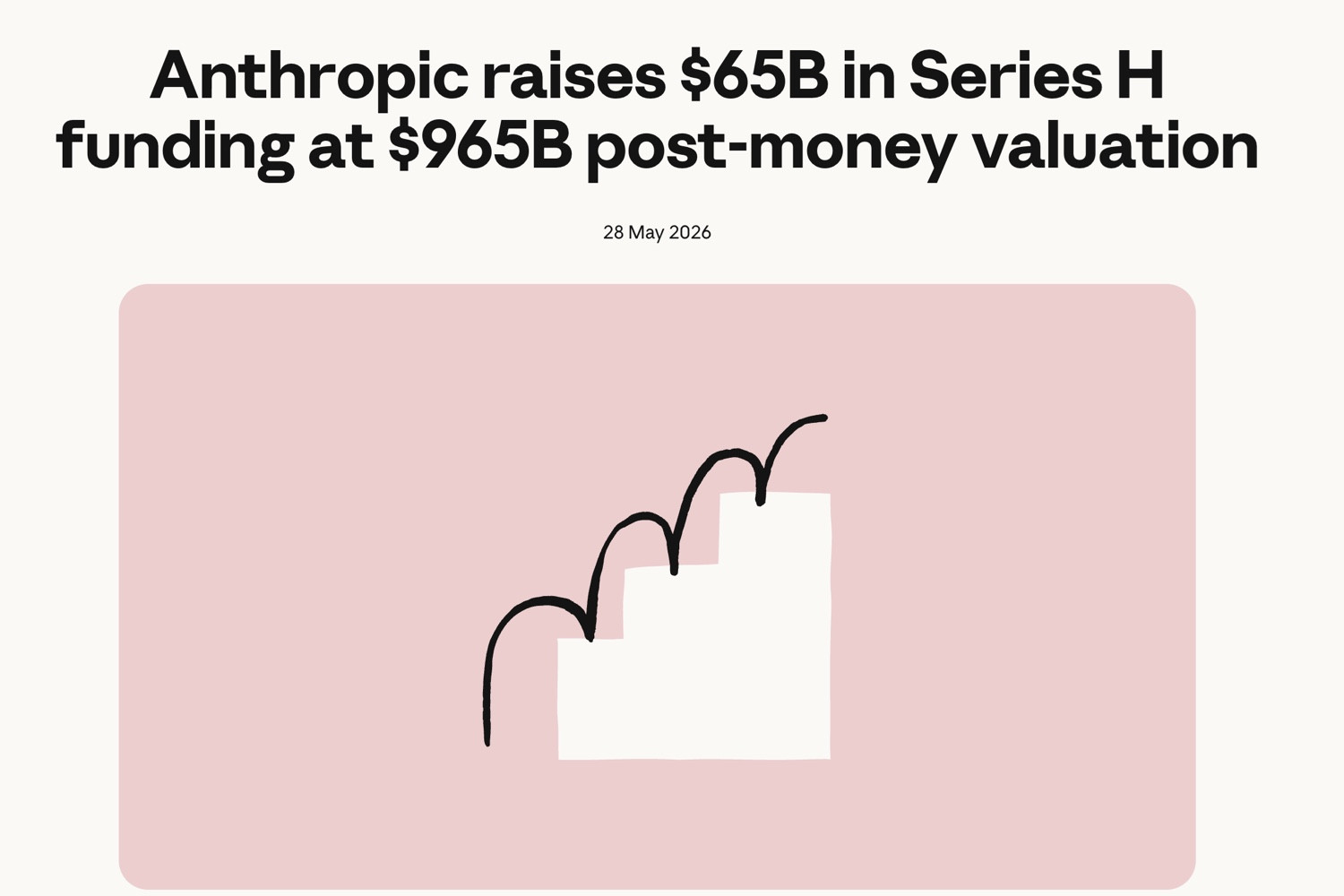
Series H Turns Anthropic From a Model Company Into an Infrastructure-Scale AI Player Anthropic annou...
Read Article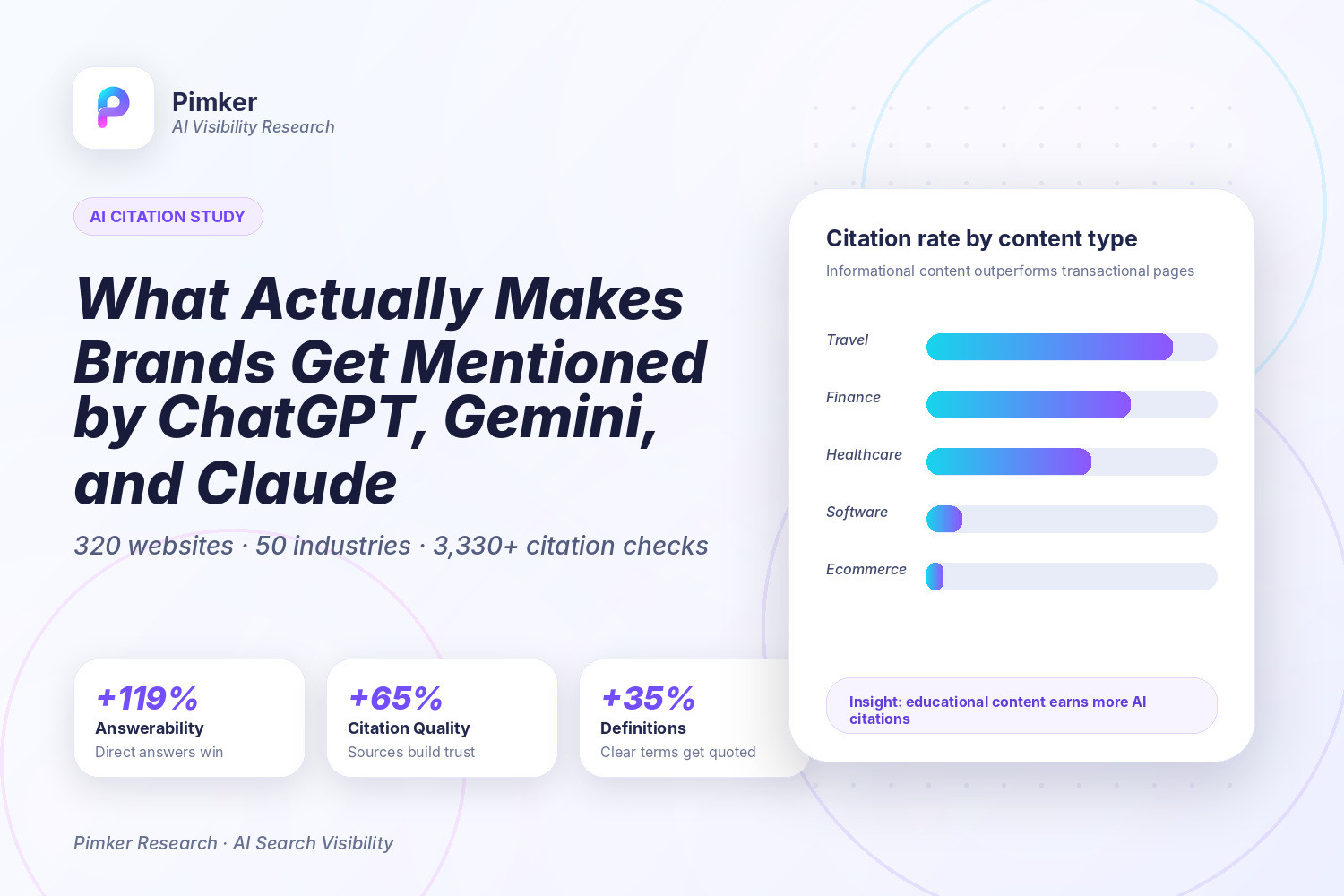
Over the past three months, Pimker ran a three-phase study on AI citations: 320 websites, 50 industr...
Read Article
AI search is a way of using artificial intelligence to help people find information, understand a qu...
Read ArticleWe make your brand easier for AI to discover and recommend. From brand positioning and content structure to a strategic update cadence, Pimker turns your website into a system that supports long-term visibility.
Contact Us

© Pimker 2026 AI marketing software built for modern businesses All rights reserved.