Series H Turns Anthropic From a Model Company Into an Infrastructure-Scale AI Player
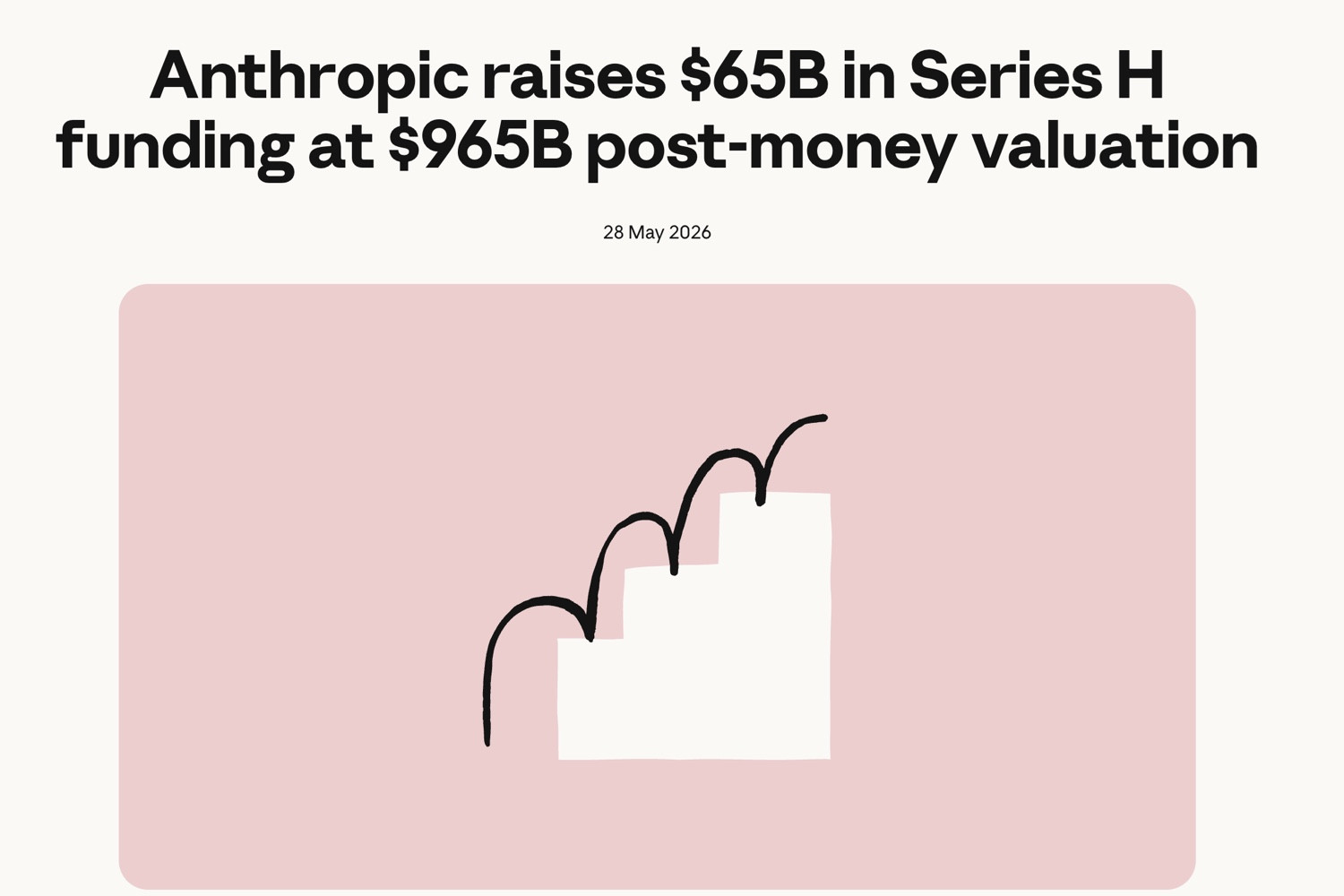
Anthropic announced its latest Series H financing on May 28, 2026, raising $65 billion at a post-money valuation of $965 billion. This is not merely another capital event for the company behind Claude. It is a clear signal that the generative AI industry has entered a new stage of full-stack competition across compute, enterprise adoption, safety research, cloud distribution, and product ecosystems. According to Anthropic’s official announcement, the round was led by Altimeter Capital, Dragoneer, Greenoaks, and Sequoia Capital. The company said the funding will be used to advance safety and interpretability research, expand the compute capacity required to support Claude’s growing demand, and scale the products and partnerships that customers increasingly rely on.
The significance of this announcement is not simply that another AI company has raised a massive round. It shows that Anthropic is being repositioned by the market. In earlier stages, Claude was often discussed in terms of model quality, safer responses, and enterprise controllability. After the Series H round, Anthropic increasingly looks less like a pure model developer and more like a core platform company built for enterprise workflows, cloud infrastructure, and AI-native applications. That shift reflects a broader pattern increasingly visible across AI news: the center of competition in generative AI is moving away from isolated model capability and toward the question of which company can become the default work interface for businesses and individuals.
This Is Not a Single Product Launch, but a Scaling Moment for Claude’s Commercial Engine
Unlike a typical technology product announcement, Anthropic’s latest update did not introduce one new model, one standalone application, or one discrete feature. Instead, it used financing and business metrics to reveal that the Claude ecosystem is moving into a phase of large-scale commercialization. The company said global enterprises are deploying Claude across core operating workflows, while individual users continue to bring Claude into daily work. Since its Series G financing in February, enterprise adoption has continued to grow, and Anthropic’s annualized revenue run rate had surpassed $47 billion earlier in May.
That figure matters because it shifts Anthropic’s market narrative from “a promising AI research company” to “an enterprise AI infrastructure provider with demonstrated large-scale commercial momentum.” In the early phase of the generative AI boom, companies were often judged by model benchmark rankings, chat experience, consumer buzz, and viral product moments. By 2026, the indicators that matter more to investors are enterprise adoption, retention, cloud consumption, API usage, and whether the model can become embedded inside real work processes. That also makes AI optimization and AI visibility increasingly important, because companies are not only adopting AI tools; they are also reorganizing how their brands, services, and content are understood, cited, and recommended by AI systems.
Claude Code and Cowork Reveal the Next Enterprise AI Entry Points
Anthropic CFO Krishna Rao said in the announcement that Claude is becoming increasingly indispensable to its global customer community, and that the company is continuing to make products such as Claude Code and Cowork more useful, more powerful, and more adaptable to customer needs. That statement points to an important strategic shift: Anthropic’s commercialization is no longer centered only on the model itself, but on the stickiness created when models enter real workflows.
Claude Code points directly to the developer and software engineering market. The value of such a tool is not limited to writing a few lines of code. It can potentially understand codebases, follow project context, assist with testing, support refactoring, generate documentation, and influence engineering decisions. When AI moves from “answering questions” to “participating in work,” its impact on enterprise productivity expands quickly. Cowork, meanwhile, points to broader white-collar collaboration scenarios, including documents, analysis, internal knowledge, project management, and cross-functional communication. Once these use cases become habitual, Claude moves from being a tool to becoming a foundational work layer.
For enterprises, this shift means AI procurement is no longer just about subscribing to a chatbot. It becomes a broader reassessment of how daily workflows may be delegated to, assisted by, or reorganized around models. Companies need more than feature descriptions; they need implementation guidance, risk assessment, and practical operating knowledge. That is why AI learning content will become increasingly important in the market. As AI tools multiply, the winning products may not be the ones with the most features, but the ones that integrate most naturally into existing workflows, reduce adoption friction, and produce measurable business outcomes.
The Technical Innovation Lies in the Combination of Safety, Interpretability, and Massive Compute
Anthropic has long emphasized AI safety and interpretability, and this financing announcement extends that positioning. The company explicitly said the new capital will advance safety and interpretability research. This is not just brand language. It is one of Anthropic’s key points of differentiation against other AI companies. As models are increasingly used in finance, law, healthcare, customer support, engineering, and management decisions, enterprise customers care about more than whether answers are fluent. They also care about whether model behavior can be explained, whether risks can be controlled, whether deployment can be audited, and whether outputs can meet internal governance requirements.
Compute is the other major technical theme. Anthropic said it has recently expanded its compute capacity significantly, including an agreement with Amazon for up to 5GW of new capacity, access to 5GW of next-generation TPU capacity through Google and Broadcom, and GPU capacity through SpaceX’s Colossus 1 and Colossus 2. The company also said Claude is the first frontier model available across Amazon Web Services, Google Cloud, and Microsoft Azure.
These arrangements send a clear message: frontier AI competition is no longer only about model architecture or parameter scale. It is now a combined contest across chips, memory, cloud capacity, data center power, and enterprise distribution channels. When large AI companies must secure GPU, TPU, memory, and data center capacity in advance, AI competition naturally becomes supply chain competition. Anthropic’s strategy increasingly resembles an infrastructure war rather than a conventional software product race.
The Multi-Cloud Strategy Is Really an Enterprise Distribution Strategy
Anthropic emphasized that AWS remains its primary cloud provider and training partner, while Claude is also available across Google Cloud and Microsoft Azure. This arrangement has important strategic meaning. For enterprise customers, AI procurement is rarely based only on model capability. It also depends on existing cloud environments, data governance, cybersecurity requirements, compliance obligations, and internal development workflows. Being available across the three major cloud platforms gives Claude a better chance of appearing on more enterprise procurement lists and makes it easier for different industries to adopt.
This is especially important for Anthropic. OpenAI is deeply linked with Microsoft, Google has Gemini and its own cloud ecosystem, and Amazon has strongly backed Claude. If Anthropic depended only on one cloud platform, its distribution range and procurement flexibility could be constrained. By maintaining multi-cloud availability, it can access enterprise customer bases across different cloud providers. That makes Claude not only an AI model, but also an enterprise-grade service option in the cross-cloud market.
From an industry perspective, this strategy will also affect competition with Google Gemini and other frontier models. In the future, enterprises may not simply ask which model is smarter. They will ask which model can be deployed securely in their existing cloud environment, which model can integrate with internal data systems, and which model can comply with procurement and governance workflows. These questions will push the AI market beyond consumer application battles and into a far more complex enterprise infrastructure contest.
Valuation Logic Is Moving From Traffic to Workflows
The biggest industry implication of Anthropic’s Series H financing is that the valuation logic for AI companies is changing. In the early generative AI boom, the market focused heavily on user growth, product attention, model demos, and consumer usage. As competition intensifies, investors are shifting toward indicators with more durable business value, including enterprise willingness to pay, annualized revenue, cloud infrastructure consumption, workflow penetration, and long-term retention.
Anthropic’s disclosure of a $47 billion annualized revenue run rate sends a strong signal to the market: frontier models are not merely expensive research showcases. They can become enterprise-grade revenue engines. If that revenue structure continues to scale, AI companies may increasingly be valued more like cloud software and infrastructure companies than consumer applications.
This also increases pressure on other AI companies. OpenAI, Google, Microsoft, Meta, xAI, and major model developers around the world must prove that their models are not merely being tested, but are being paid for continuously, integrated deeply, and used to produce measurable efficiency gains. As AI enters customer service, software development, legal review, content production, financial analysis, and search experiences, user behavior will shift from “searching for information” to “delegating tasks.” For companies that want to be visible inside these new interfaces, traditional website exposure is no longer enough. They must consider whether their brand, services, and content are clear enough to be correctly understood by models. This is exactly the issue raised by the AI Visibility Checklist.
The Ripple Effect on Brands and Content Markets
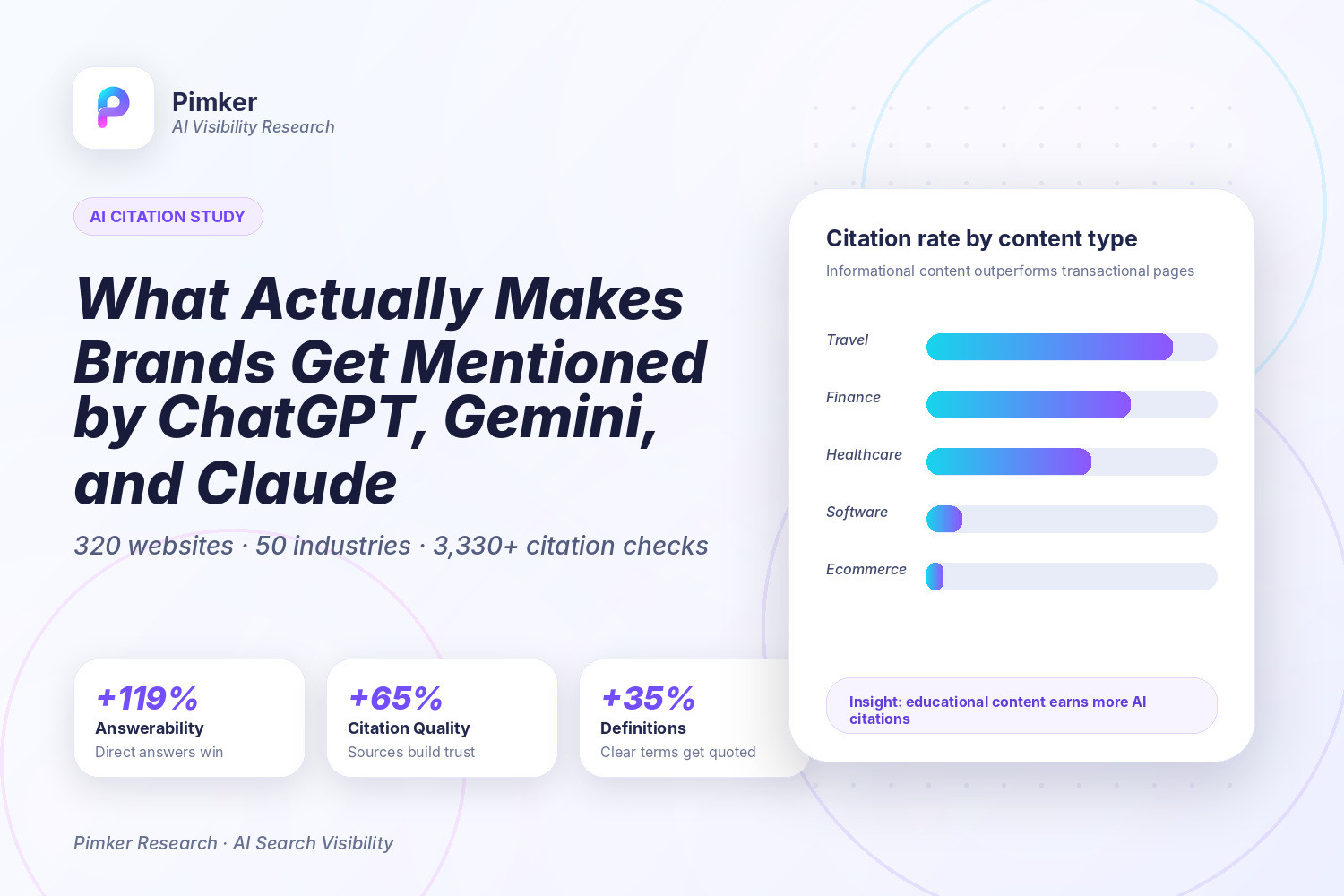
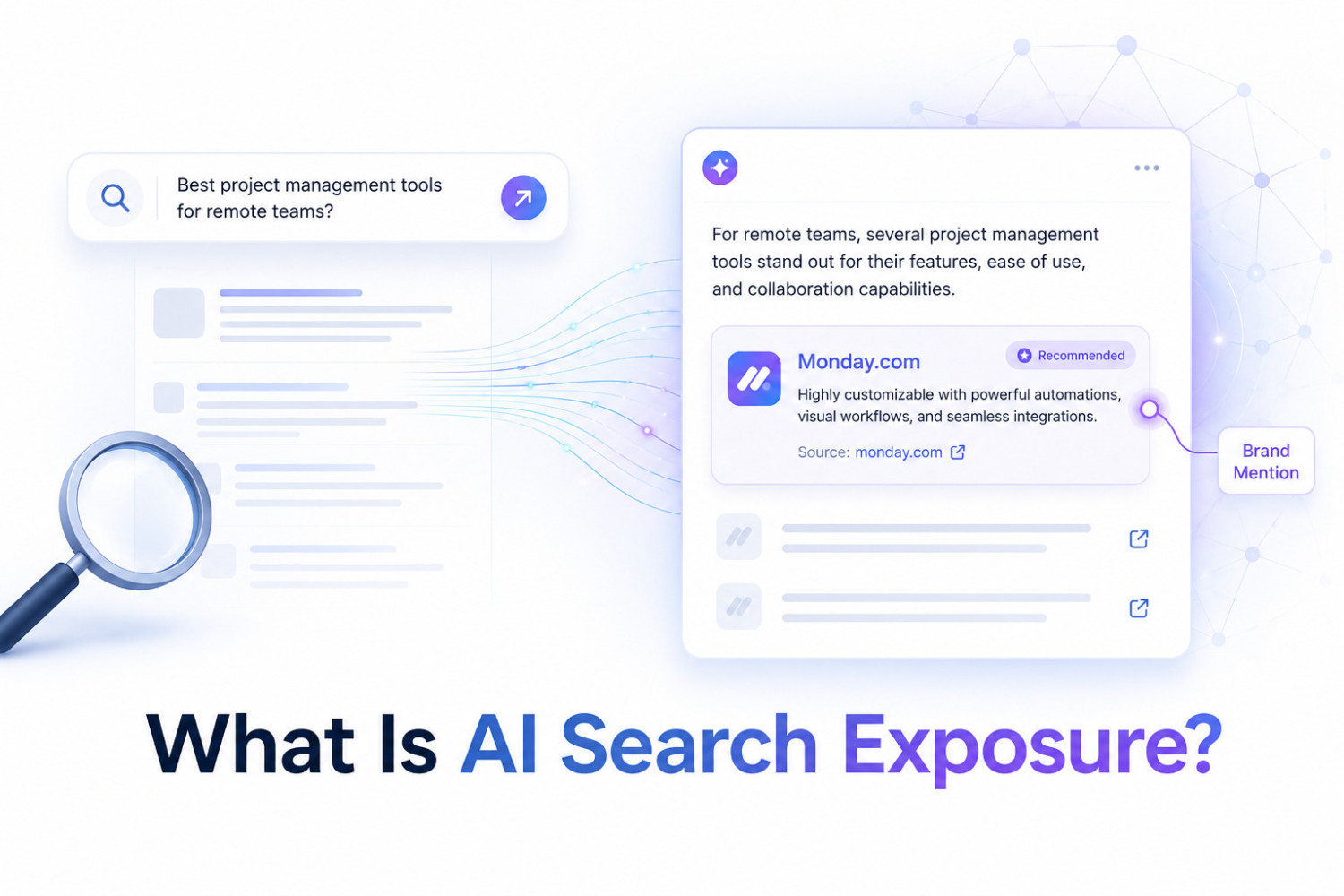
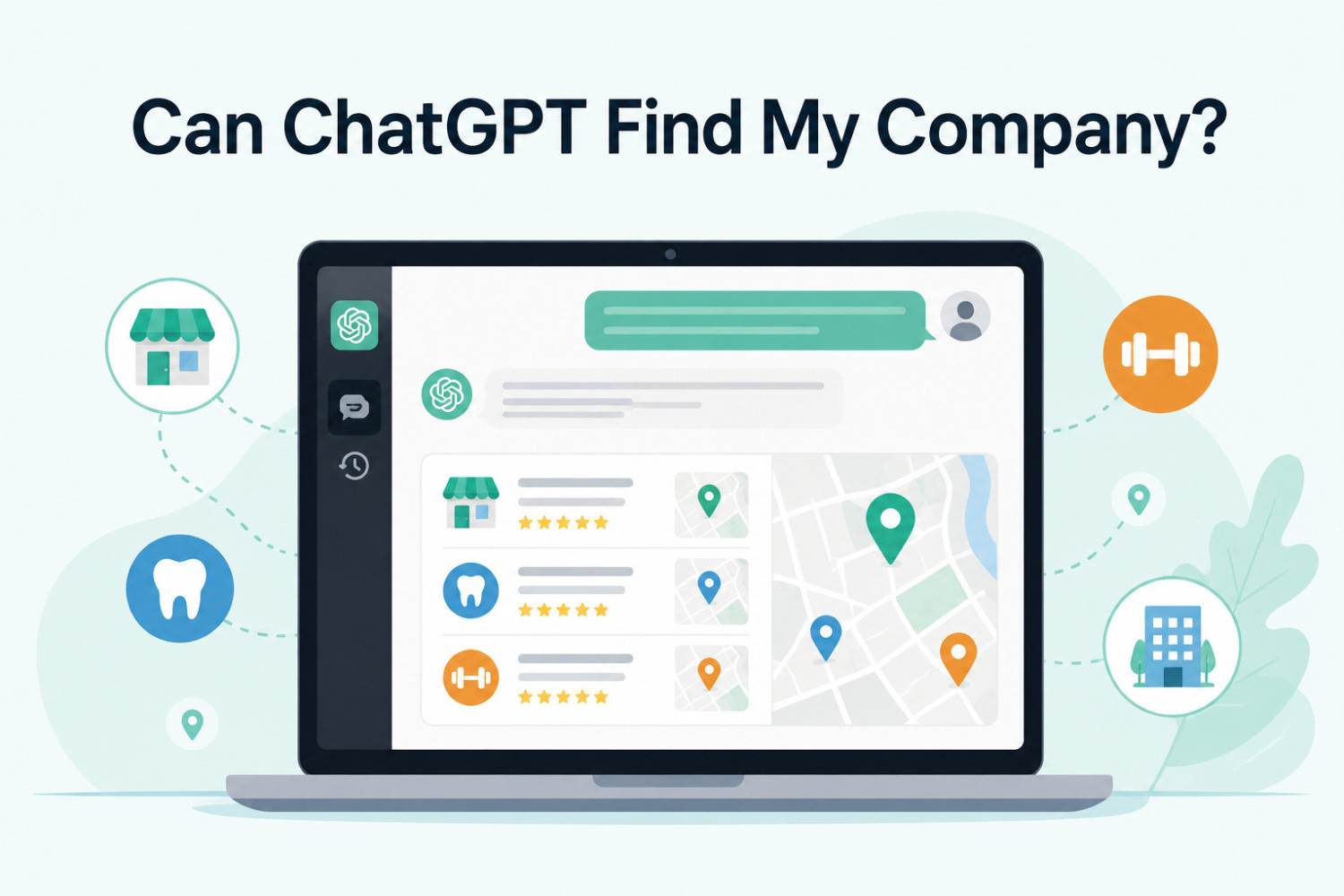
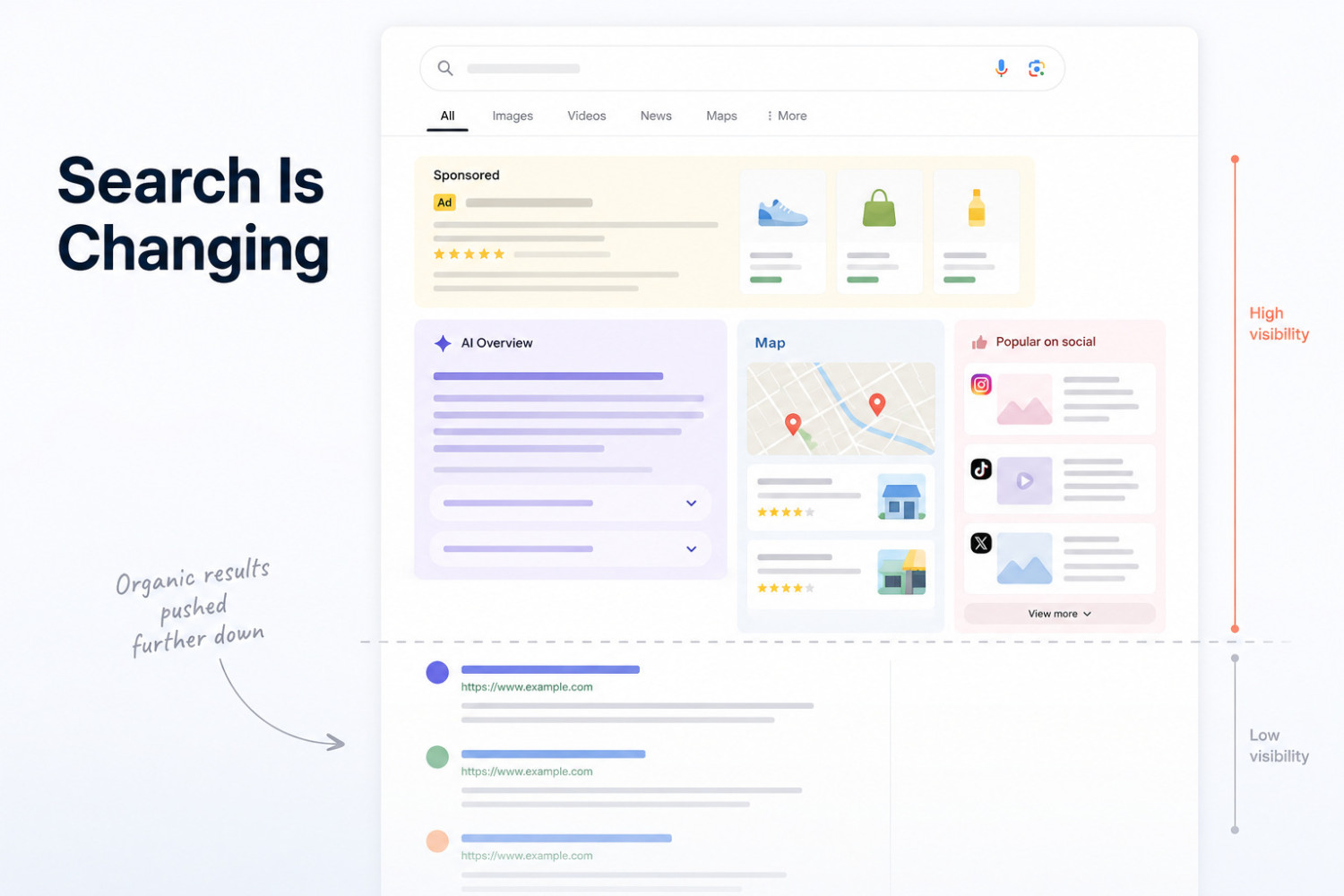
Frontier models such as Claude, Gemini, and ChatGPT are not only enterprise tools. They are also reshaping information distribution. As users increasingly ask AI systems to compare options, recommend tools, summarize markets, or support purchasing research, the way brands are discovered will change. In the past, brands relied heavily on search engine rankings, social platform exposure, and paid advertising. In AI search and AI answer systems, whether a brand is mentioned depends on whether the model can understand its positioning, services, credibility, and content context.
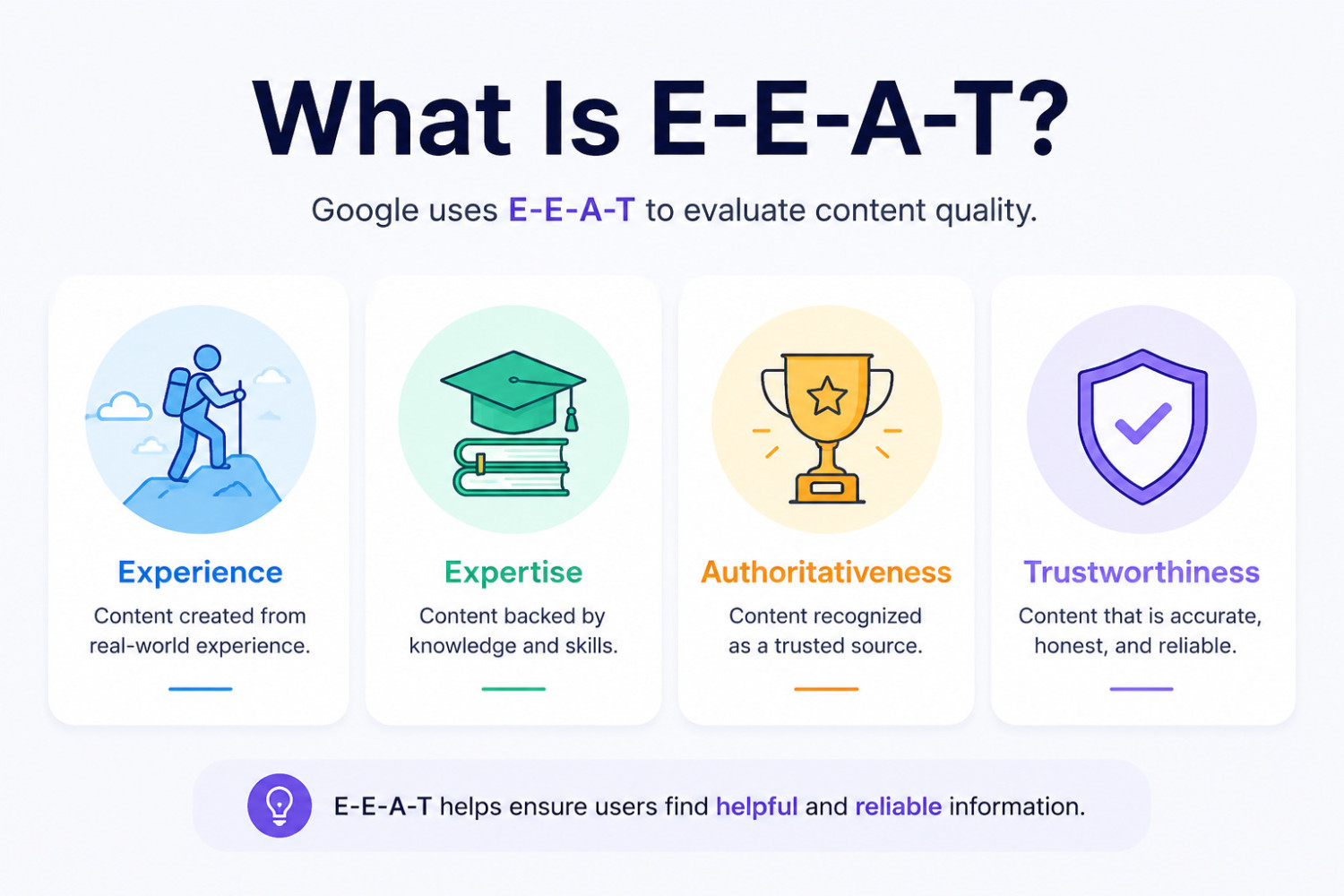
This means company websites need clearer content structures, more complete FAQ sections, more consistent brand signals, and page context that AI systems can parse easily. If a website only contains vague marketing slogans but lacks service scope, target customers, pricing logic, examples, processes, and differentiation, the company may struggle to be accurately represented in AI-generated answers even if it has real capabilities. This is no longer only an SEO issue. It is an AI-era visibility issue. For companies trying to understand why they are absent from model answers, topics such as why a website is rarely mentioned in ChatGPT will become increasingly commercially relevant.
Anthropic’s financing accelerates this shift from another angle. As Claude’s enterprise penetration rises, more companies will let AI participate in procurement research, competitor comparison, content organization, and strategic analysis. Brands are no longer communicating only with human readers. They must also communicate clearly, verifiably, and quotably with AI systems. This will push the content market away from pure traffic chasing and toward semantic clarity, trust signals, and AI readability.
The Market Has Entered a Three-Front War: Frontier Models, Cloud, and Chips
Anthropic’s new financing also accelerates the concentration of the AI competitive landscape. Training and serving frontier models is extremely expensive, and fewer companies can continue competing at the top level. When an AI company requires tens or hundreds of billions of dollars in capital while also securing cloud capacity, GPUs, TPUs, memory, and enterprise channels, smaller model companies and vertical AI startups are forced to rethink their positioning. Many may no longer try to challenge frontier models directly. Instead, they may build vertical workflow products on top of Claude, Gemini, OpenAI models, or open-source models.
This market structure will produce two major outcomes. First, competition among frontier model companies will become even more capital-intensive, with compute and cloud resources forming a major moat. Second, application-layer innovation will become more verticalized, because most startups cannot afford the foundation model race and must instead differentiate through industry-specific scenarios, data integration, workflow automation, and user experience. The AI industry may come to resemble a combination of the smartphone era and the cloud computing era: a small number of platforms dominate the lower layers, while a large ecosystem of applications fills the upper layers.
For business owners, this means AI tool selection should not be based only on short-term features. It should also consider whether a provider has long-term maintenance capacity, enterprise support, and ecosystem stability. Model capabilities will keep changing quickly, but the products that endure will be those that can integrate into enterprise processes, reduce costs, improve decision quality, and support long-term governance. This is why customer success stories and real implementation cases will matter more, because the market needs proof of practical outcomes, not just concept demonstrations.
Anthropic’s Safety Narrative Is Becoming a Commercial Moat
Since its founding, Anthropic has positioned AI safety as a core principle. In earlier stages, this narrative was sometimes viewed by the market as relatively conservative, especially when compared with more aggressive model release strategies. But as enterprise adoption deepens, safety, interpretability, and reliability may become a commercial moat. When large enterprises adopt AI, their biggest concern is usually not whether a model can produce one more creative answer. It is whether the model may output incorrect information in high-risk workflows, expose sensitive data, violate compliance rules, or produce decisions that cannot be traced.
If Anthropic can turn safety research into concrete enterprise features, such as stronger permission controls, clearer explanations of model behavior, more stable tool use, and more complete audit mechanisms, it may gain an advantage in finance, healthcare, law, government, and large enterprise markets. These customers usually have longer procurement cycles, but once adopted, switching costs can be high. In other words, safety is not only an ethical position. It may also be one of the most practical business strategies in the enterprise AI market.
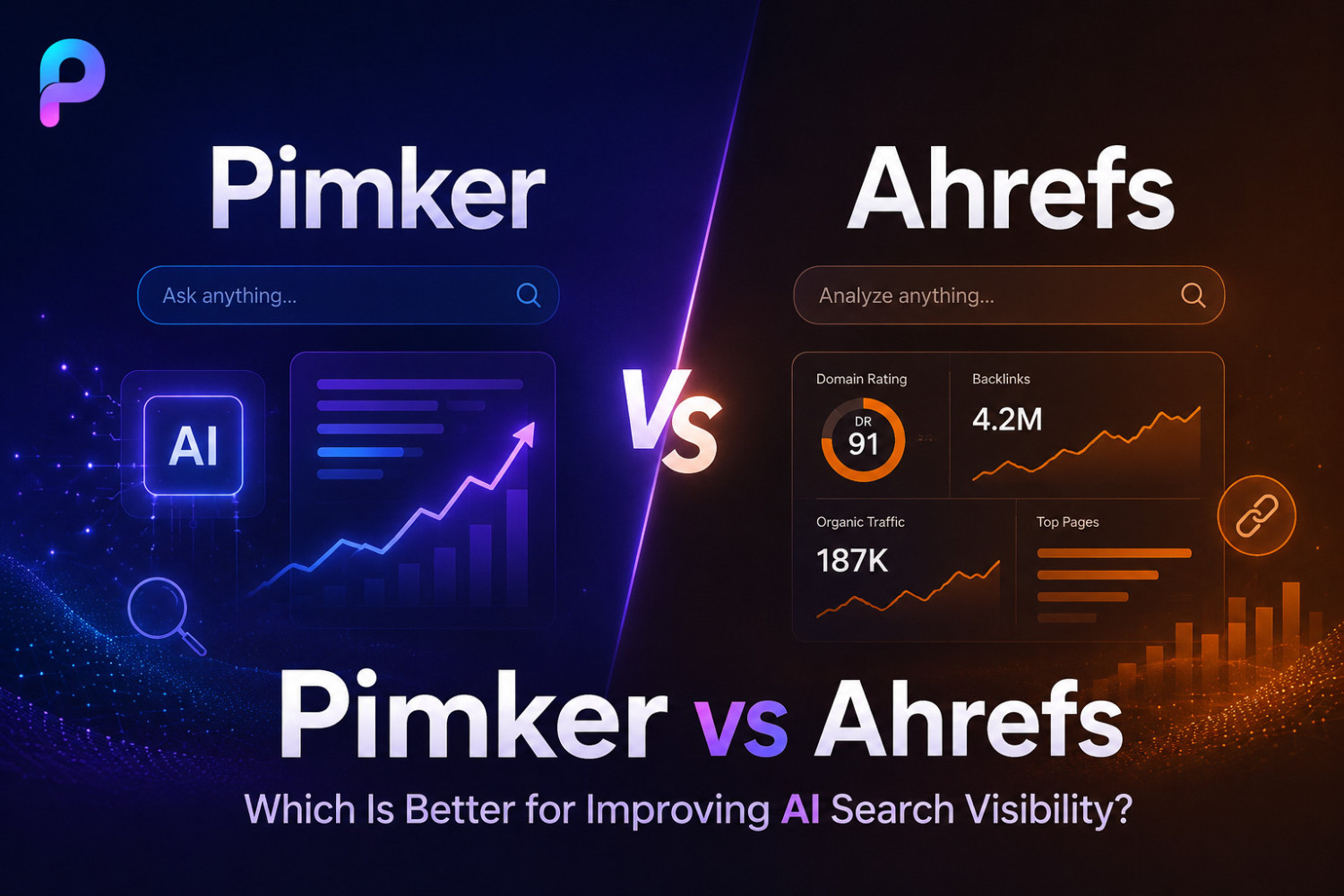
This also gives tools such as Pimker Lens, which analyzes individual webpages for AI readability, SEO issues, content optimization, and structured improvement opportunities, a clearer market context. As AI systems increasingly participate in information judgment, whether website content is clear, structured, and consistent will influence how visible and credible a company becomes in the AI ecosystem.
AI Targeting Will Become More Important as Models Shape Discovery
As AI assistants become part of enterprise research and everyday decision-making, targeting will also change. In traditional digital marketing, targeting often focused on demographics, keywords, channels, and ad delivery. In an AI-mediated environment, targeting also depends on whether a page communicates the right audience signals, industry context, intent, and market relevance to machine readers. A model that summarizes a company, compares vendors, or recommends a solution will rely on the signals it can understand from available content.
That is why AI Targeting becomes increasingly relevant. The more AI systems mediate discovery, the more important it becomes for brands to clarify who they serve, what problems they solve, where they operate, and why they are trustworthy. Anthropic’s growing enterprise footprint reinforces this trend. If Claude and similar assistants become embedded in procurement, strategy, research, and operations, then AI-readable positioning will become part of how companies compete for attention.
This also suggests that the content strategies of the past may not be enough. Keyword coverage still matters, but semantic completeness, audience clarity, structured context, and credibility signals matter more. Brands that make their expertise easy for AI systems to interpret may gain an advantage when users rely on AI answers instead of browsing multiple search results manually.
What Comes Next: Can a Near-Trillion-Dollar Valuation Be Supported by Real Demand?
Anthropic’s $965 billion post-money valuation will make every move more heavily scrutinized. A high valuation brings not only capital, but also higher pressure for revenue growth, larger compute spending, and more complex challenges around regulation and enterprise trust. Investors will watch Claude’s enterprise retention, API usage growth, Claude Code’s penetration among developers, whether Cowork can truly enter large organizations, and whether safety research can become a risk advantage that enterprise procurement teams understand.
From a broader perspective, Anthropic’s financing marks a new stage for the AI industry. Model capability still matters, but the real question is which company can turn models into reliable, deployable, governable, and scalable enterprise infrastructure. That aligns with the direction described in Pimker’s view of website growth infrastructure for the AI search era: when AI becomes a new interface for information and work, technology, content, trust, and distribution must be understood as one connected system.
Anthropic’s Series H financing is not only a bet on Claude. It is also a clear sign that the AI industry has entered an infrastructure race. The next phase of competition will not happen only at model launch events. It will unfold across cloud contracts, data centers, enterprise procurement, developer tools, content visibility, and brand trust. The companies that can build advantages across these layers will be the ones most likely to define the next era of the AI market.