

Googlebook Arrives: Google Pushes the Laptop Battlefield Into the “AI-Native” Era
AI News | Editor: Sandy On May 12, 2026, Google announced Googlebook in its official blog post, “Introducing Googlebook, designed for Gemini Intelligence” (http
AI News | Editor: Sandy On May 12, 2026, Google announced Googlebook in its official blog post, “Introducing Googlebook, designed for Gemini Intelligence” (http
AI News | Editor: Sandy
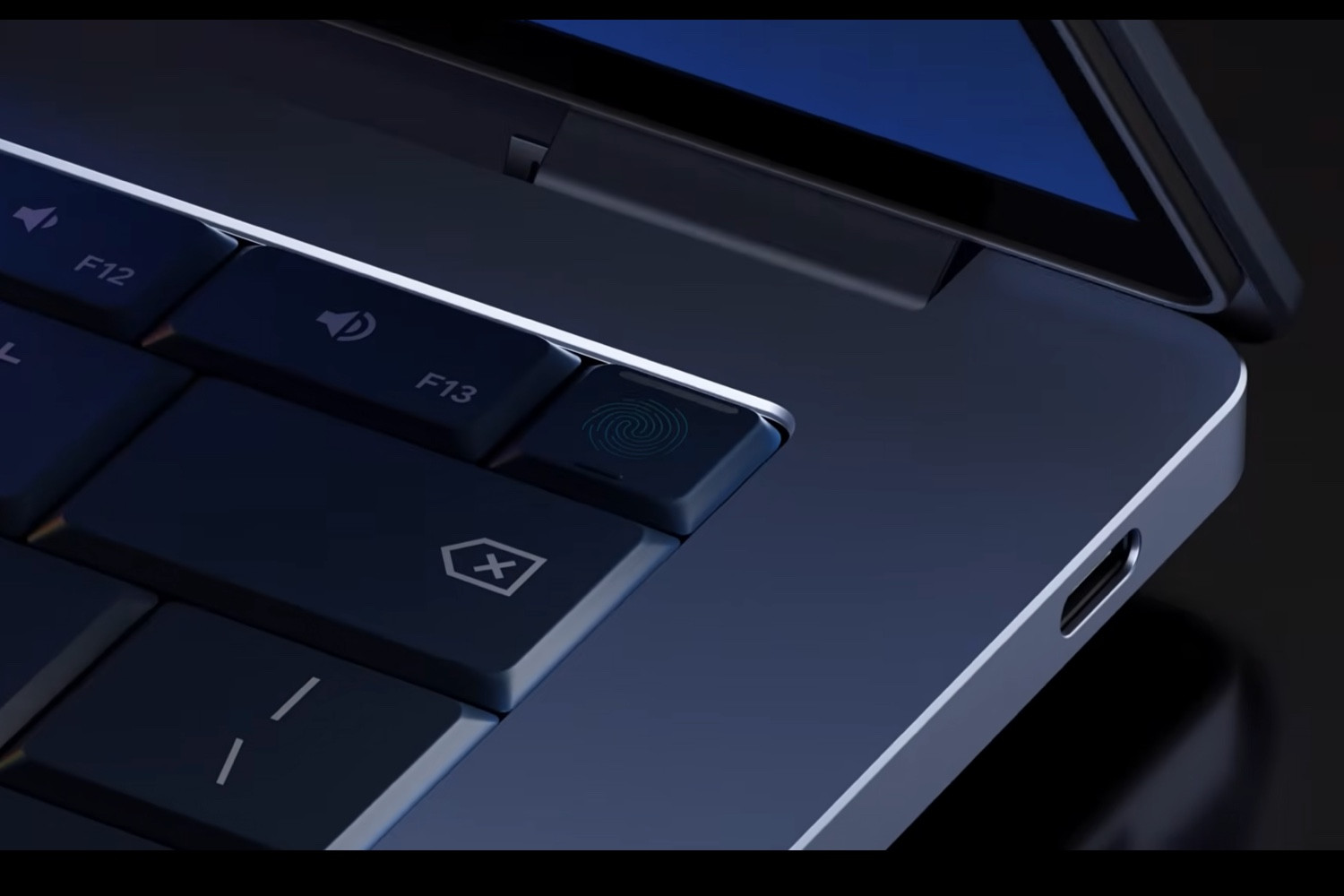
On May 12, 2026, Google announced Googlebook in its official blog post, “Introducing Googlebook, designed for Gemini Intelligence” (https://blog.google/products-and-platforms/platforms/android/meet-googlebook/). Unveiled at The Android Show: I/O Edition 2026, the new laptop is positioned as an entirely new class of computer “designed for Gemini Intelligence.” It is not merely a traditional laptop with an AI chatbot bolted on. Instead, it attempts to rethink the cursor, the desktop, phone-to-PC continuity, and the way applications are used. Google says Googlebook will begin shipping this fall, with the first devices coming from hardware partners including Acer, ASUS, Dell, HP, and Lenovo. If Chromebook represented the cloud-first laptop imagination fifteen years ago, Googlebook is Google’s bet on the next cycle: the laptop should no longer be only a vessel for an operating system and a browser, but an intelligent system capable of understanding user intent.
The most notable aspect of Googlebook is not whether it is thinner, lighter, or equipped with a higher-refresh-rate display. Rather, Google is taking aim at one of the oldest and most overlooked elements of the computer interface: the cursor. According to the official announcement, Googlebook includes Magic Pointer, a feature developed in collaboration between Google and DeepMind. It allows the cursor to provide contextual suggestions when users point at content on the screen. Pointing to a date in an email, for example, can quickly create a meeting; selecting two images, such as a living room and a new sofa, can instantly visualize how the two might look together. This design turns AI from a “summoned tool” into an “assistive layer close to the scene of action,” no longer answering questions only in a separate window but attempting to intervene in workflows through every click, drag, and selection.
This is also the clearest difference between Googlebook and Chromebook. Chromebook’s historical mission was to bring personal computers into the cloud-first era and make the browser the main working environment. Googlebook’s mission is to bring laptops into the AI-first era and make Gemini a system-level interaction logic. In the announcement, Google describes this as a shift from an operating system to an intelligence system. The phrase may sound like marketing language, but it reveals the core of platform competition: the value of the next generation of personal computers will not depend only on processors, screens, and batteries. It will also depend on who can capture user intent, data context, and cross-device behavior.
Another core feature of Googlebook is Create your Widget. Users can create custom desktop widgets through prompts, while Gemini can search the web and connect to Google services such as Gmail and Calendar, integrating itineraries, hotel bookings, restaurant reservations, countdowns, and other information into a single desktop dashboard. Google gives the example of a user planning a family gathering in Berlin: Googlebook can assemble flights, hotels, restaurants, and countdown information into a personalized workspace. At first glance, this may look like an evolution of desktop widgets. Underneath, however, is a larger ambition: turning the desktop from a parking lot for files and apps into a control panel for tasks and intentions.
This is also where AI-native computers become genuinely difficult. Earlier AI PCs have often emphasized local computing power, such as NPU TOPS figures, image-generation speed, or live-caption capabilities. Googlebook is more concerned with “where AI appears.” It places AI between the cursor, desktop widgets, the file browser, and mobile apps, making AI not merely a list of features but the adhesive of system interaction. If this approach matures, it could change what users expect from laptops. People may no longer ask only which software a computer can run, but whether it can understand the task at hand, proactively connect information, and reduce the cost of switching between applications.
Googlebook also emphasizes integration with the Android ecosystem. Google says the device is built partly on Android technology stacks, enabling it to bring innovation to laptops more quickly and improve multi-device experiences. Users can use mobile apps directly on Googlebook, such as opening a food-delivery app to place an order or handling a Duolingo reminder without leaving the laptop screen. Google is also introducing Quick Access, which lets users view, search, or insert phone files directly from Googlebook’s file browser without manually transferring them.
This direction exposes a long-running contradiction in Google’s personal-computing strategy. Android is one of the world’s largest mobile operating systems, and Chrome is one of the world’s most widely used browsers. Yet on laptops and desktops, Google has long failed to form the kind of closed loop Apple has built between the Mac and the iPhone. Chromebook has found a place in education and lightweight productivity, but it has never fully become a high-end extension of the Android ecosystem. Googlebook tries to close that gap by integrating Android apps, Google services, Gemini models, and laptop hardware into one platform narrative.
For Google, this is not merely the launch of a new laptop. It is a reorganization of the relationship among Android, ChromeOS, and Gemini. If Googlebook can make Android apps run naturally on laptops, and if Gmail, Calendar, Drive, Photos, and other services can become data sources for an AI desktop, Google will have a chance to pull user behavior that is currently scattered across phones, the cloud, and browsers back into a more controllable personal-computing platform.
Googlebook arrives at a time when AI PCs have become a key battleground as global technology companies compete again for the personal-computing gateway. According to Microsoft’s official blog post, “Introducing Copilot+ PCs” (https://blogs.microsoft.com/blog/2024/05/20/introducing-copilot-pcs/), Microsoft introduced Copilot+ PCs as early as 2024, highlighting AI laptops with 40+ TOPS NPUs and features such as Recall, Cocreator, and Live Captions. Microsoft’s strategy begins with Windows’s vast installed base and uses hardware thresholds plus system-level AI functions to stimulate the PC replacement cycle.
Apple is taking a different path. According to Apple Newsroom’s “Introducing Apple Intelligence for iPhone, iPad, and Mac” (https://www.apple.com/newsroom/2024/06/introducing-apple-intelligence-for-iphone-ipad-and-mac/), Apple Intelligence combines Apple silicon, on-device processing, and Private Cloud Compute to provide personalized AI capabilities across iPhone, iPad, and Mac. Apple’s advantage lies in end-to-end hardware and software control, as well as its command of the privacy narrative. It is not rushing to create a new laptop category; instead, it is layering AI into the Mac and its existing mobile devices.
The Chinese market presents yet another logic. According to Reuters, “Huawei launches first laptops using home-grown Harmony operating system” (https://www.reuters.com/world/china/huawei-launches-first-laptops-using-home-grown-harmony-operating-system-2025-05-19/), Huawei launched its first laptops running its self-developed HarmonyOS in 2025, aiming to reduce reliance on foreign software platforms amid U.S.-China technology restrictions. This means AI laptop competition is not only about user experience, but also about operating-system autonomy, supply-chain security, and national technology strategy. Googlebook sits between these three models: unlike Microsoft, it does not mainly rely on the Windows device ecosystem; unlike Apple, it does not own a fully closed hardware loop; and unlike Huawei, it is not carrying an explicit mission of domestic substitution. Its bet is that Android’s scale, Google services, and Gemini’s capabilities can create a different kind of platform gravity.
The industrial significance of Googlebook lies in shifting AI PC competition from “how much AI a chip can run” to “how well a system understands work.” Market research firm Canalys has forecast that AI-capable PCs would ship about 48 million units in 2024, representing 18% of global PC shipments, and could exceed 100 million units in 2025, reaching 40% of the market. Related figures are available on Omdia’s page, “AI-capable PCs forecast to make up 40% of global PC shipments in 2025” (https://omdia.tech.informa.com/om141049/aicapable-pcs-forecast-to-make-up-40-of-global-pc-shipments-in-2025). Such numbers suggest that AI PCs are no longer just concept demonstrations for a small group of high-end players. They are becoming the PC industry’s main argument for the next replacement cycle.
Yet AI PCs can easily fail to resonate with consumers if they remain stuck at the level of hardware specifications. Most users will not change their working habits merely because NPU TOPS numbers increase. What can genuinely drive upgrades is whether AI can shorten task paths, improve cross-app operations, and reduce the cost of searching and organizing information. Googlebook’s Magic Pointer and Create your Widget are moving in that direction. They attempt to make AI a perceptible everyday interface, rather than an assistant hidden in settings menus or summoned only occasionally.
This also means the unit of competition in the PC industry is changing. In the past, brands competed on hardware design, price, performance, and channels. Now they must also compete on data integration, model capability, system permissions, and developer ecosystems. Whoever can connect email, calendars, files, browsers, mobile apps, and generative AI into a smooth experience will have a chance to gain an advantage in the next personal-computing cycle.
Googlebook’s prospects are not without shadows. First, if Magic Pointer and custom widgets are to be genuinely useful, they will inevitably need to understand screen content, user intent, and personal data. That makes privacy, data authorization, and security central issues. Google’s official announcement says Gemini can connect to Gmail and Calendar to create personalized dashboards. But the more personalized AI becomes, the more questions it raises: do users clearly know which data is being read, how it is processed, whether it is retained, and whether permissions can be controlled in a granular way? Apple has already turned privacy into a major selling point of Apple Intelligence. If Google wants Googlebook to enter premium consumer and enterprise markets, it will need to provide answers on trust design that are just as strong, if not clearer.
Second, AI interfaces must avoid the trap of being “proactive but intrusive.” The cursor is one of the most frequently used tools on a computer. If Magic Pointer’s suggestions are too frequent, wrong, or disruptive, it could quickly turn from magic into noise. For AI to enter the operating-system layer, accuracy and restraint are equally important. For Googlebook to succeed, it cannot rely only on a few polished demonstrations. It must consistently get small things right across many everyday contexts: recognizing the correct date, understanding document context, suggesting a reasonable next step, and not interrupting the user’s rhythm.
Third, app compatibility and developer willingness remain variables. Whether Android apps can naturally adapt to laptop screens, keyboards, and mouse operation has long been a challenge for Android’s large-screen experience. If Googlebook merely moves mobile apps onto laptops, the experience may feel rough. Only if Gemini and system frameworks allow apps to be recomposed for desktop environments will it have a chance to truly open a new chapter. That requires not only Google’s engineering capability but also developer confidence that Googlebook is worth optimizing for.
In the medium to long term, Googlebook’s most important impact may not be how many units it sells this fall. Rather, it declares that the laptop is moving from a “toolbox” toward an “agent platform.” In the traditional PC era, users launched applications and completed tasks. In the cloud era, users connected to services through browsers. In the AI-native era, systems may proactively understand tasks, call services, organize information, and generate actionable results. Googlebook’s cursor suggestions, custom widgets, and mobile-app continuity are early forms of this trajectory.
If this direction holds, the business model of the personal-computer market will also change. Hardware margins will still matter, but subscription services, cloud models, personal-data management, AI feature tiers, and enterprise-management tools will become longer-tail revenue sources. Google may use Googlebook to bind Gemini Advanced, Google Workspace, Google One, and the Android ecosystem more tightly together. Hardware partners, meanwhile, may gain a new high-end laptop replacement opportunity. For enterprise markets, AI laptops could also become an entry point for automating knowledge-work workflows, provided that security, compliance, and management tools are mature enough.
Global competition may become more fragmented as a result. American technology companies tend to view AI personal computing as an extension of cloud and edge models. Chinese companies may fold AI PCs into operating-system autonomy and domestic software substitution. European markets will pay closer attention to data governance, interoperability, and platform power. If Googlebook is to expand across regions, it cannot rely on a single product narrative. It will also have to confront different expectations around privacy, competition, and cross-border data flows.
On the surface, Googlebook is a new laptop. In practice, it is Google’s renewed bet on the gateway to the next generation of personal computing. It puts Gemini into the cursor and the desktop, brings Android apps onto laptops, turns phone files into directly searchable and insertable resources, and pulls hardware partners into a new brand framework. If these designs land well, Googlebook could help Google find a position in a laptop market long dominated by Windows and Mac that goes beyond low-cost cloud-first laptops.
But Googlebook still has three things to prove: whether AI can be consistently useful in everyday work; whether the Android laptop experience can truly mature; and whether users are willing to entrust deeper layers of personal context to Google. The next round of AI PC competition will not be decided only by benchmarks or launch-event demos. It will be built from hundreds of small scenarios accumulated over time. Googlebook makes that contest clearer: the laptop of the future may no longer be a machine waiting for instructions, but an active coordinator between users, applications, and cloud models. Whether that coordination produces efficiency or a new form of platform dependence will become clearer only after the first Googlebooks reach the market.

Leave your name and email to receive future blog updates and product insights.
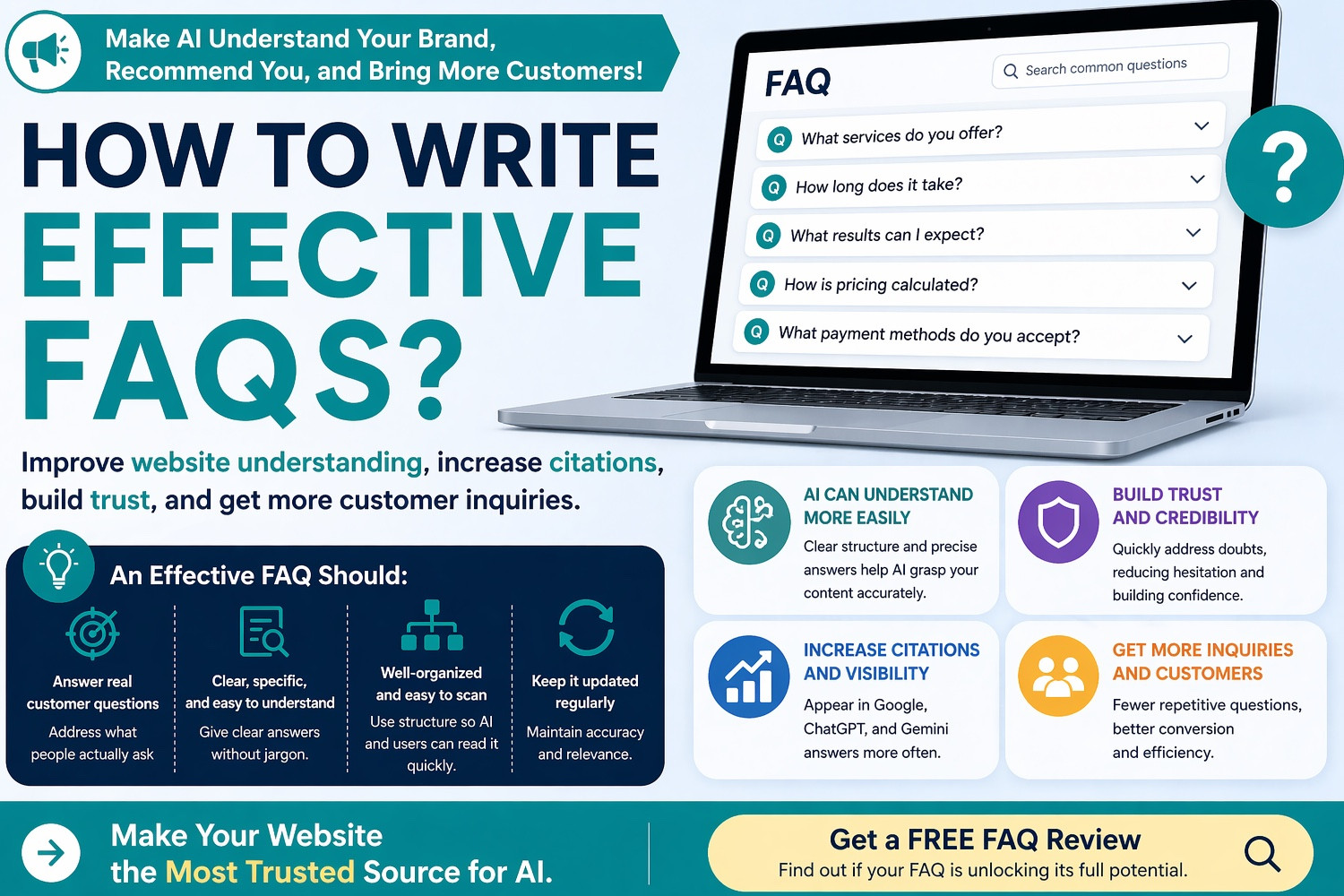
Learn why most FAQs fail, which questions matter most, and how a stronger FAQ can improve Google vis...
Read Article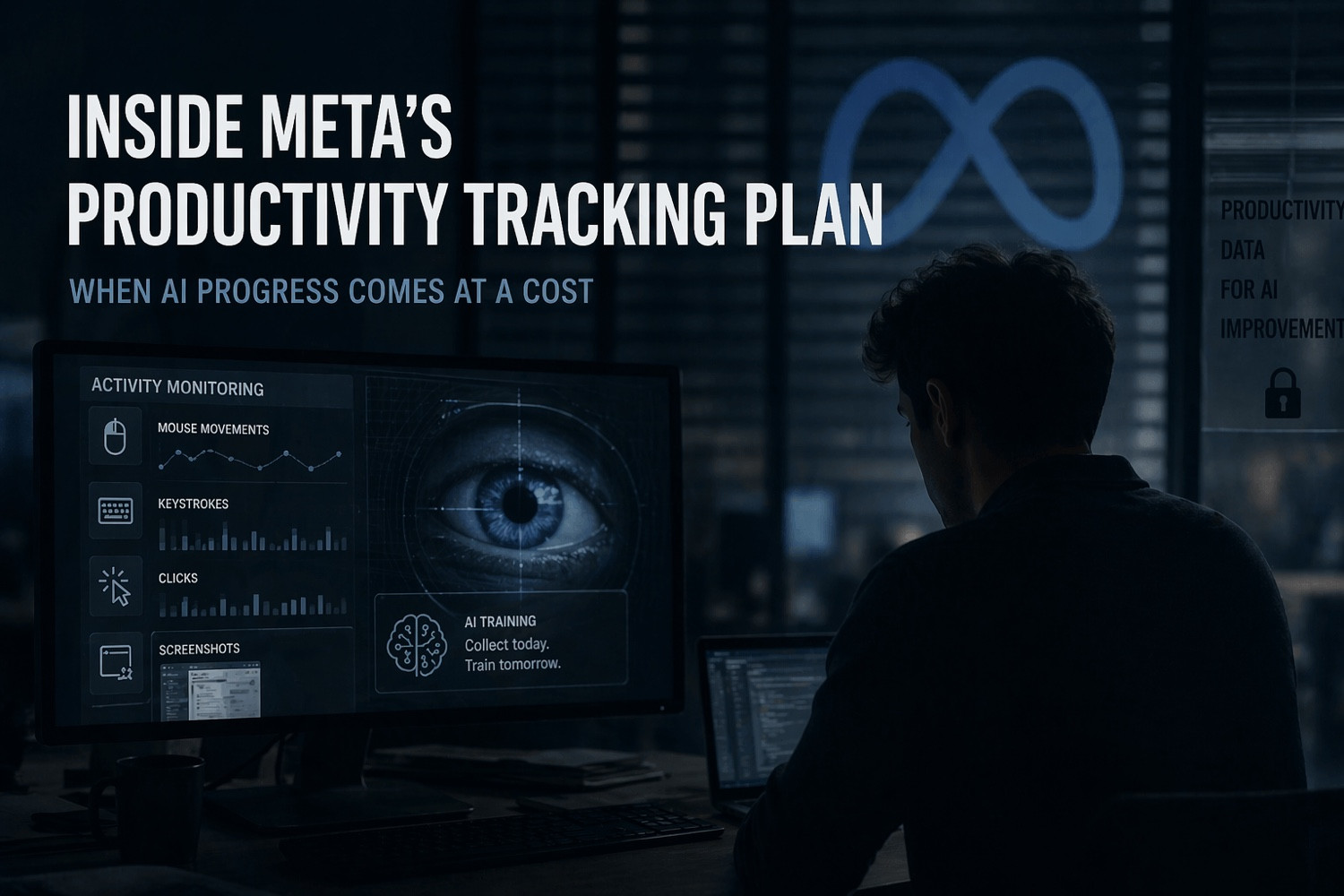
As generative artificial intelligence moves beyond chatbots, summaries and search, and deeper into t...
Read Article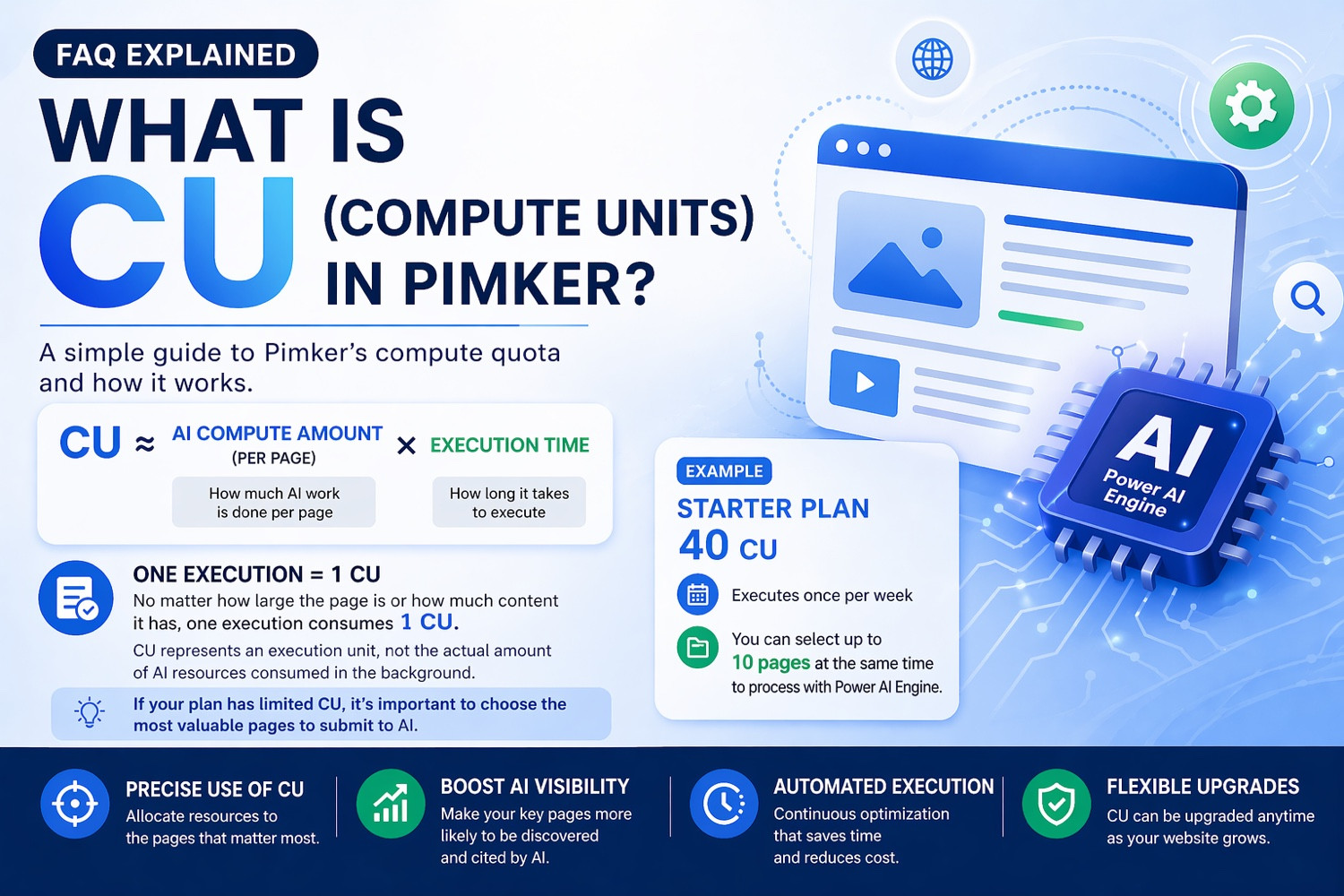
Many people encounter CU (Compute Units) for the first time when reviewing Pimker plans and immediat...
Read Article
AI News | Editor: Sandy On April 22, 2026, OpenAI introduced ChatGPT workspace agents, pushing its e...
Read Article
AI News | Editor: Sandy OpenAI released GPT-5.5 on April 23, 2026, and followed up on April 24 by an...
Read Article
AI News | Editor: Sandy Anthropic announced two closely related expansions to the Claude ecosystem o...
Read Article
AI News | Editor: Sandy When Chinese AI company DeepSeek previewed its next-generation DeepSeek V4 f...
Read Article
AI News | Editor: Sandy Anthropic announced “Claude for Creative Work” on April 28, 2026, and the mo...
Read Article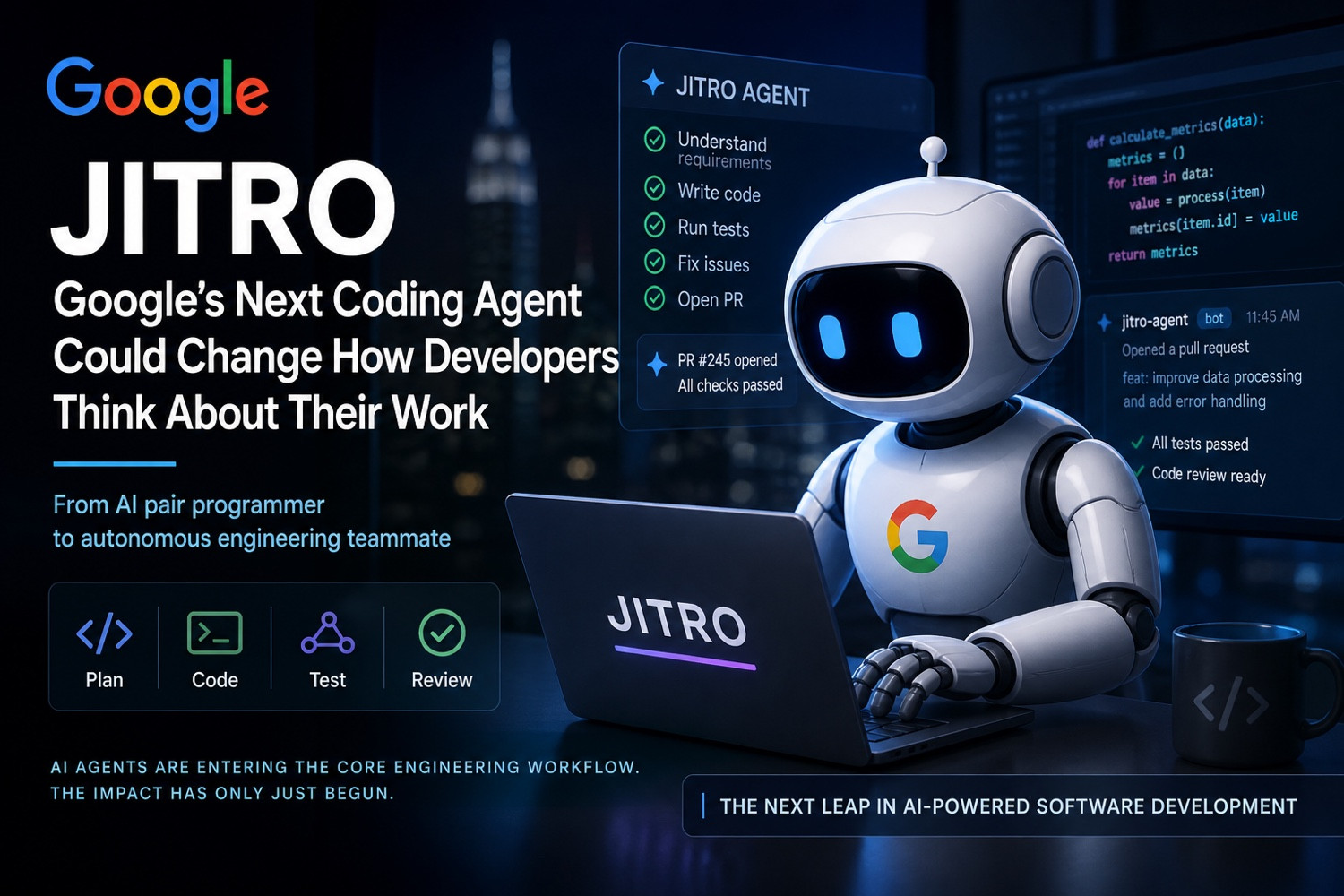
AI News | Editor: Sandy As of late April 2026, DevOps.com reported in “Google’s Next Coding Agent Co...
Read Article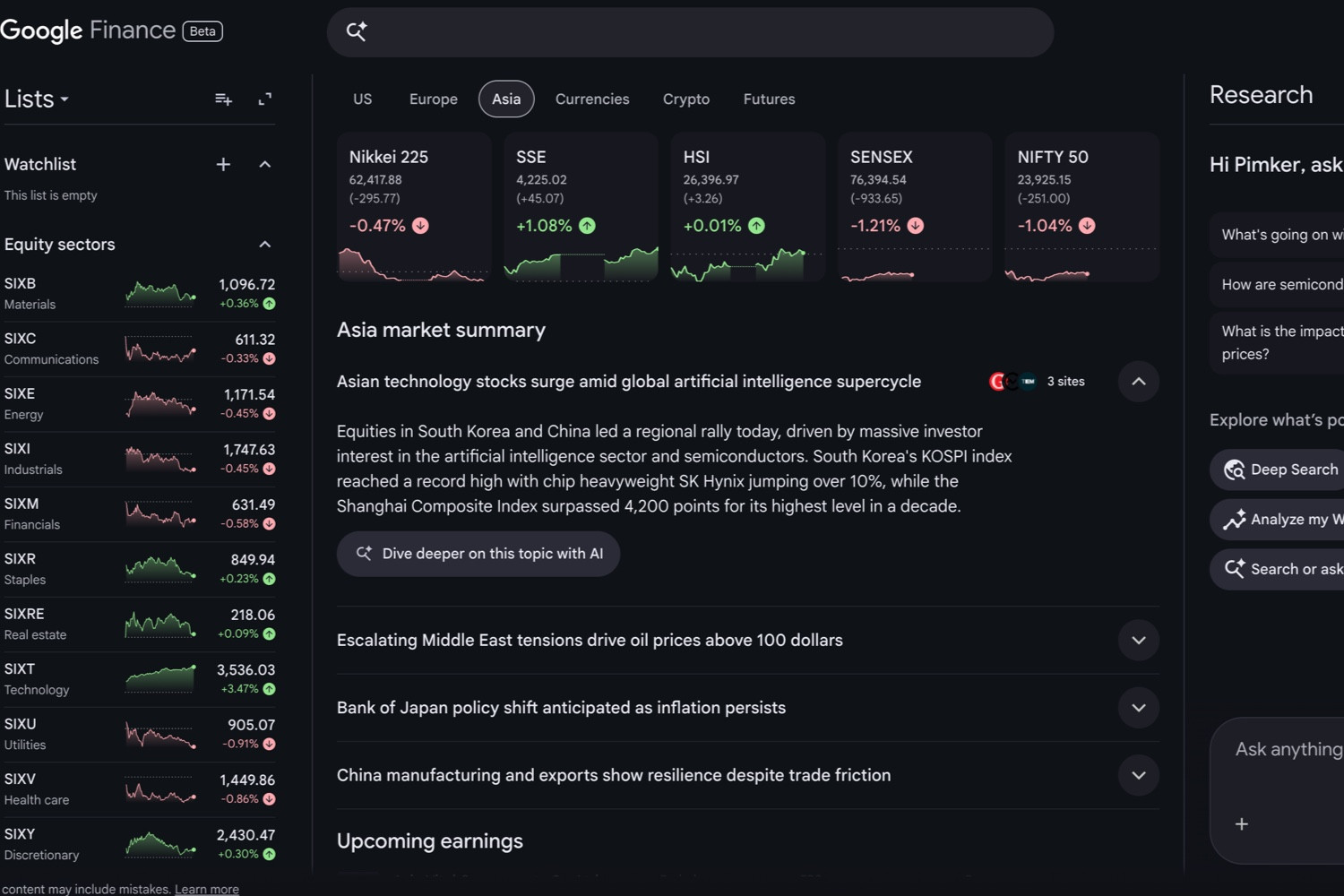
AI News | Editor: Sandy Google announced this week that its redesigned, AI-powered Google Finance is...
Read Article
AI News | Editor: Sandy Anthropic released the latest update to Claude Managed Agents on May 6, 2026...
Read Article
Turning AI Workflows for Finance Teams into Prompts for Content and Business Tasks OpenAI Academy’s...
Read Article
In mid-May 2026, Anthropic shifted the commercial story around Claude from “model capability” toward...
Read Article
Many small business owners, independent professionals, and solo operators are already using AI conte...
Read Article
Series H Turns Anthropic From a Model Company Into an Infrastructure-Scale AI Player Anthropic annou...
Read ArticleWe make your brand easier for AI to discover and recommend. From brand positioning and content structure to a strategic update cadence, Pimker turns your website into a system that supports long-term visibility.
Contact Us

© Pimker 2026 AI marketing software built for modern businesses All rights reserved.